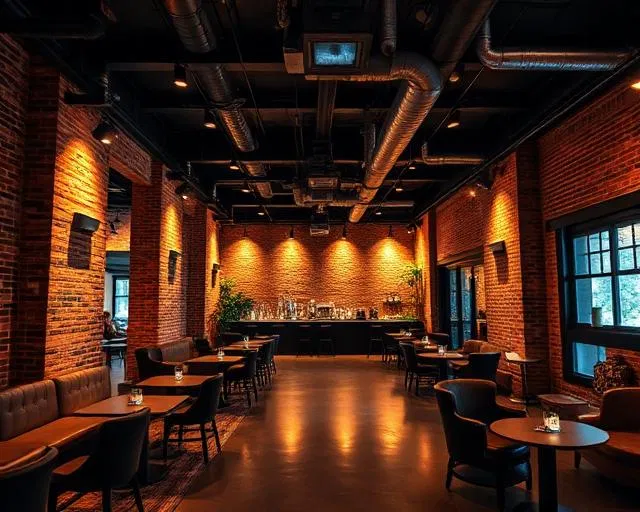
An empty Tuesday is not harmless. It is lost revenue, unused staff capacity, and another day your venue is invisible to potential customers.
Most venues focus heavily on weddings and weekend celebrations. That makes sense, but it also creates a dangerous dependency on a limited number of high-demand dates. Your venue has value on Wednesday morning, Thursday afternoon, and Monday evening. The problem is that weekday customers need a different offer, a different sales process, and a different reason to book.
Use this five-step operating plan to turn unused weekdays into reliable revenue from corporate meetings, community programs, fundraisers, classes, networking events, and social gatherings.
Step 1: Analyze Your Calendar Before You Create an Offer
Do not start by posting, “Weekday discounts available.” Start with your calendar.
Review the next 90 days and identify:
- Which weekdays are consistently open
- Which time blocks are unused: morning, afternoon, or evening
- Which months have the most availability
- Which rooms or areas can be rented independently
- Which dates already have partial bookings
- Which dates can support short events without disrupting weekend operations
Create a simple weekday availability report. Divide your calendar into three categories:
- Corporate hours: Monday through Friday, 8 a.m. to 5 p.m.
- Community hours: Monday through Thursday, 5 p.m. to 9 p.m.
- Social hours: Weekday evenings and occasional Friday afternoons
Then assign a revenue target to each category.
For example:
- Corporate bookings: two half-day events per month
- Community rentals: three recurring evening clients
- Social events: four weekday celebrations per month
- Overall goal: increase weekday occupancy by 25% within 90 days
You cannot manage what you have not measured. Track weekday occupancy separately from weekend occupancy. Also track revenue per available date, not just total bookings. A $1,200 weekday meeting may be more profitable than a $2,500 event that requires extensive setup, staffing, and cleanup.
Pro Tip: Review your weekday calendar every Monday morning. Keep a running list of your next 10 available weekday dates so your team can recommend specific options immediately.
Step 2: Stop Selling Bare Room Rental, Create Weekday Packages
A bare room rental forces customers to build the event themselves. That creates uncertainty, extra questions, and slower decisions.
Weekday customers usually want convenience. A business needs a meeting-ready space. A community organization needs predictable pricing. A local group wants a reliable place that is easy to use every month.
Build packages around those needs.
Corporate Meeting Package
Include:
- Half-day or full-day access
- Tables and chairs in a standard meeting layout
- Wi-Fi
- Screen or projector access
- Coffee, tea, or water service
- Basic setup and cleanup
- Optional catering or boxed lunches
Offer a half-day package for three to four hours and a full-day package for six to eight hours. Make the inclusions obvious. The customer should understand the value without scheduling a phone call.
Community Organization Package
Target:
- Nonprofits
- Service clubs
- Professional associations
- Local boards
- Book clubs
- Support groups
- Arts organizations
- American Legion, VFW, Elks, and Eagles groups
Include a fixed two- or three-hour block, standard seating, basic AV, and a simple recurring agreement. Offer the same day and time each week or month at a preferred rate.
Weekday Social Package
Use this for:
- Birthday celebrations
- Anniversary dinners
- Retirement parties
- Graduation events
- Showers
- Networking receptions
- Small fundraisers
Package the space for a defined guest count and event length. Add simple upgrades such as linens, basic décor, a bar setup, or preferred catering partners.
Your pricing should protect your margins. Calculate your minimum acceptable price by including:
- Staff time
- Utilities
- Cleaning
- Setup and teardown
- Supplies
- Insurance and administrative costs
- Desired profit
Then offer value-based tiers instead of random discounts:
- Essential: space, tables, chairs, and basic setup
- Professional: AV, beverage service, and enhanced setup
- Hosted: catering coordination, dedicated staff, and premium add-ons
Call them weekday value packages or corporate rates, not desperate discounts. You are creating a more efficient product, not reducing the worth of your venue.

Step 3: Target Local Organizations With a Specific Sales List
General promotion is slow. Direct outreach is faster.
Build a list of at least 50 organizations within a practical driving distance of your venue. Divide the list into four groups:
Local Businesses
Contact:
- Accounting firms
- Insurance agencies
- Medical practices
- Manufacturers
- Banks
- Real estate offices
- Law firms
- Sales teams
- Coworking spaces
Offer meeting, training, planning, and client-event packages. Focus on the problems your venue solves: parking, professional presentation, reliable technology, and a convenient location.
Community Groups
Contact:
- Chambers of commerce
- Rotary clubs
- Lions Clubs
- Neighborhood associations
- Parent organizations
- Historical societies
- Veterans’ groups
- Civic committees
These organizations often need space repeatedly. Your objective is not one booking. Your objective is a predictable Wednesday or Thursday slot for the next six months.
Nonprofits and Fundraisers
Create a clear offer for board meetings, donor events, silent auctions, volunteer gatherings, and fundraising dinners. Consider offering a small benefit for charitable organizations while protecting your costs.
For example, provide complimentary basic AV or include a venue social media feature. Do not automatically waive the rental fee. Your staff and facility still carry real costs.
Activity and Class Providers
Approach:
- Yoga instructors
- Dance teachers
- Art instructors
- Cooking instructors
- Fitness coaches
- Workshop leaders
- Networking hosts
Offer a recurring weekly rental agreement. A recurring client using the venue every Tuesday evening may be more valuable than a one-time event that requires a large sales effort.
Send a short, direct message:
“We have several weekday dates available for meetings, classes, and community events. Our new weekday packages include setup, tables, chairs, and optional AV. Would a Tuesday evening or Thursday morning be useful for your organization this season?”
Give prospects two specific dates. Specificity creates movement.
Step 4: Convert the First Booking Into a Recurring Relationship
The first event is the audition. Your operating goal is to make the second booking easy.
Before the event ends, ask three questions:
- “What worked well for your group today?”
- “What would make the next event easier?”
- “When do you typically schedule your next meeting or gathering?”
Use the answers to improve the package and begin the rebooking conversation.
For corporate clients, offer a quarterly booking option. For community groups, offer a six-month or annual agreement. For class providers, offer a fixed weekly time slot with clear cancellation rules.
A recurring agreement may include:
- Priority access to the same date and time
- A preferred rate for multiple bookings
- Limited storage
- Consistent room setup
- Promotion through your venue channels
- Simplified invoicing
You can offer a 10% to 15% incentive for a multi-event commitment if the agreement improves predictability and reduces your sales workload. The discount should purchase something valuable for you: volume, advance payment, or a longer commitment.

Step 5: Follow Up Systematically and Measure Every Result
Most venues lose repeat business because follow-up depends on memory.
Create a fixed process:
Within 24 Hours
Send a thank-you message. Confirm that the event went well and invite honest feedback. If appropriate, request permission to use photos or a testimonial.
Within Three Days
Ask for a Google review or testimonial. Reviews that mention smooth weekday meetings, helpful staff, easy parking, or flexible packages will attract similar customers.
Within Two Weeks
Send a rebooking message with three available dates. Use language such as:
“You mentioned your next planning session may be in November. We currently have Tuesday, November 10, and Thursday, November 19 available. Would you like me to hold one for your team?”
Every Quarter
Contact past weekday clients with a short availability update. Align outreach with planning periods such as January, April, July, and October.
Track these core metrics:
- Weekday occupancy rate: booked weekday dates divided by available weekday dates
- Average weekday revenue: total weekday revenue divided by weekday events
- Lead-to-booking conversion: weekday bookings divided by weekday inquiries
- Response time: average time from inquiry to first reply
- Repeat booking rate: weekday clients who book again
- Revenue by event type: corporate, community, social, and recurring rentals
Set a response-time target of 15 minutes during business hours. Fast replies matter because weekday customers often compare several venues at once.
Use a spreadsheet, booking system, or a venue-specific marketing tool such as Venue Builder’s venue revenue builder to organize ideas, offers, and follow-up campaigns.
Your 30-Day Weekday Revenue Action Plan
Days 1–7: Audit and Build
- Review 90 days of availability
- Identify your 10 best weekday opportunities
- Calculate your minimum profitable rental rate
- Choose three target customer segments
- Build one corporate, one community, and one social package
Goal: Publish three clear weekday offers by the end of the first week.
Days 8–14: Prepare Your Sales Materials
- Create a weekday page on your website
- Add package inclusions and starting prices
- Photograph or professionally present your meeting and event setups
- Build a list of 50 local organizations
- Prepare one email template and one phone script
Goal: Have 50 qualified prospects and a complete outreach system.
Days 15–21: Launch Direct Outreach
- Contact 10 organizations per business day
- Follow up with every nonresponsive prospect after three days
- Contact local caterers, facilitators, instructors, and chambers of commerce
- Promote two specific open weekday dates each week
- Respond to every inquiry within 15 minutes during business hours
Goal: Generate at least 20 qualified weekday inquiries and five site visits or calls.
Days 22–30: Close and Improve
- Present recurring agreements to every qualified prospect
- Ask current clients for referrals
- Review inquiry sources and conversion rates
- Remove confusing package options
- Adjust pricing or inclusions based on objections
- Schedule your next 30 days of outreach
Goal: Book at least three weekday events and secure one recurring client.
Then repeat the process monthly. Empty dates rarely disappear through passive advertising. They disappear when you build a useful offer, contact the right organizations, respond quickly, and follow up with discipline.
Frequently Asked Questions
Should I offer lower weekday prices?
Yes, but do it strategically. Use weekday packages and tiered pricing rather than broad, permanent discounts. Tie any reduced rate to shorter hours, limited inclusions, advance payment, or a recurring commitment.
What weekday events are easiest to sell?
Corporate meetings, training sessions, nonprofit gatherings, classes, networking events, fundraisers, and small social celebrations are strong starting points. Choose the categories that match your location, capacity, parking, technology, and staffing model.
How can I compete with coworking spaces?
Do not compete only on price. Emphasize your advantages: atmosphere, privacy, parking, flexible layouts, catering, event support, and the ability to host a complete experience under one roof.
What if I do not have AV equipment?
Start with the essentials. Reliable Wi-Fi, a screen, a projector, extension cords, and a simple microphone can make your venue more useful. If you cannot provide equipment, build partnerships with local AV providers and include the option in your packages.
How do I attract recurring community events?
Offer a consistent day and time, simple pricing, easy setup, and a straightforward agreement. Visit local organizations in person when practical. Community relationships are built faster when people can meet the venue operator and experience the space.
Should I use AI to market weekday packages?
Yes. Use AI to generate outreach ideas, package descriptions, email campaigns, social posts, event concepts, and follow-up messages. The key is to use a tool designed for venue marketing, such as Venue Builder, so the recommendations reflect your space and customer types.
How long should I test a weekday package?
Run each package for at least 30 days before making major changes. Track inquiries, conversions, revenue, staffing effort, and repeat potential. Keep what produces profitable bookings and eliminate what creates activity without results.
What is the most important first step?
Open your calendar and identify the exact weekday dates you need to fill. Then create an offer designed for a specific buyer. A clear package for a real customer will outperform a generic “space available” message every time.
Leave a Reply