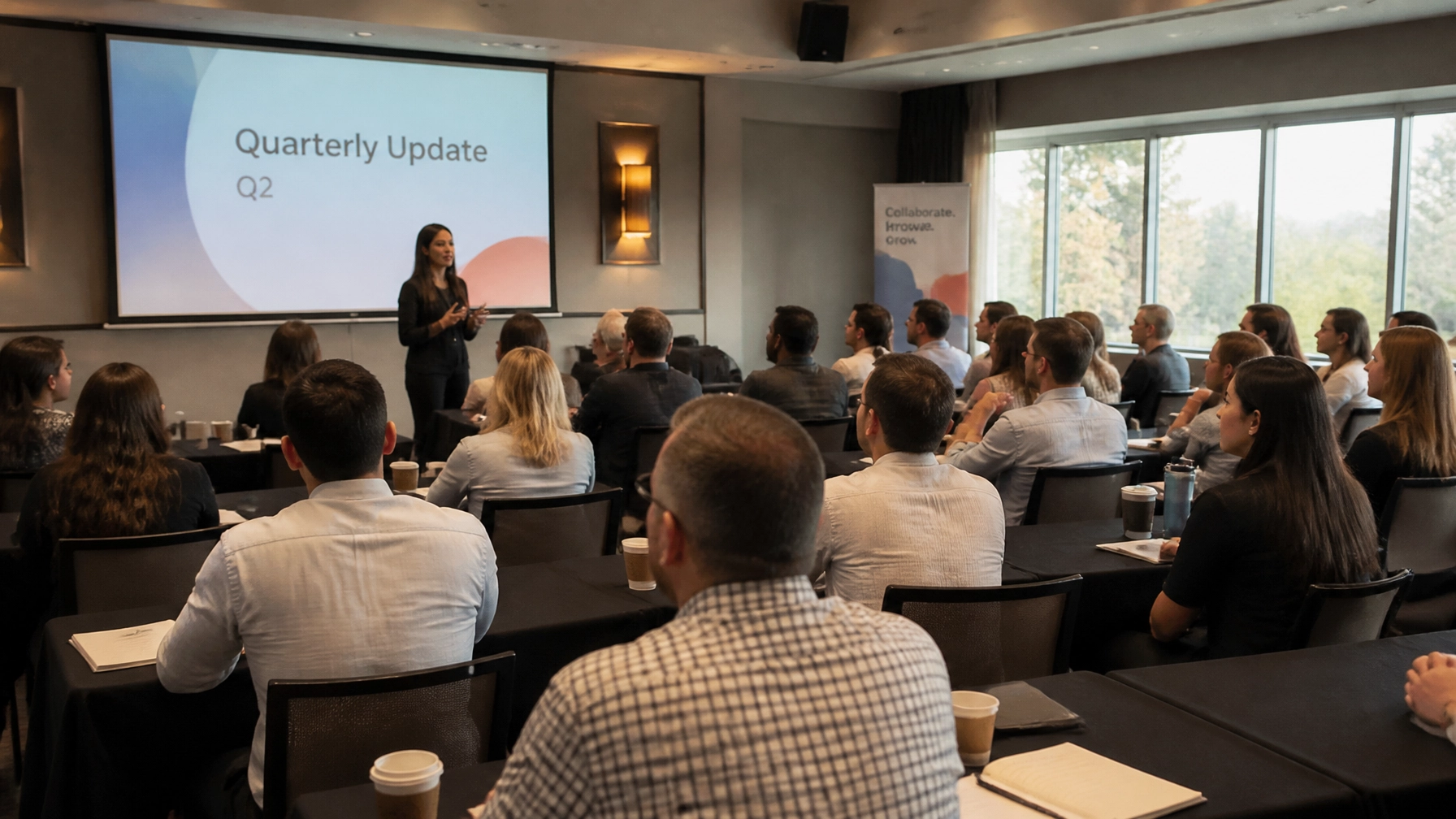
A one-time booking is useful. A repeat client is an asset.
When a company books your venue for a quarterly meeting, a community organization returns for its annual fundraiser, or a family comes back for another milestone celebration, you gain more than another rental fee. You gain predictable revenue, lower marketing costs, stronger referrals, and a client who already trusts your operation.
The problem is that many venues treat the relationship as finished when the event ends. They send an invoice, clean the room, and wait for the next inquiry. That approach leaves repeat revenue to chance.
You need a deliberate system that moves clients from first booking to second event, then from the second event to an ongoing relationship. Here is how to build it.
Why Repeat Venue Clients Matter More Than One-Time Bookings
Every new booking requires marketing, sales conversations, tours, proposals, and administrative work. A returning client already understands your space, policies, pricing structure, and team. That reduces friction for everyone.
Repeat clients also help you fill the dates that are hardest to sell:
- Corporate clients can book weekday meetings, trainings, retreats, and holiday parties.
- Social clients can return for birthdays, anniversaries, graduation parties, and retirement celebrations.
- Community organizations can create recurring revenue through monthly meetings, annual fundraisers, and seasonal programs.
The result is a healthier calendar that does not depend entirely on peak Saturdays.
Your first goal should not be “get every client to book again.” Your goal is to identify which clients have a natural recurring need and create a clear reason for them to return.
Key Strategy: After every event, ask, “What event will this client need next, and when will they begin planning it?”
1. Design the First Booking for the Next Booking
Retention begins before the first event takes place. The way you communicate during the sales process shapes how clients evaluate your professionalism.
One venue retention guide reports that responsiveness influences 78% of a client’s perceived service quality and that replying within two hours can significantly improve conversion and retention outcomes. Treat those figures as benchmarks, not guarantees: but take the operational lesson seriously: slow communication costs revenue.
Set a service standard:
- Send an immediate confirmation when an inquiry arrives.
- Provide a complete response within one to two business hours whenever possible.
- Assign one primary contact who owns the relationship.
- Explain next steps clearly, including the tour, proposal, deposit, contract, and planning timeline.
- Answer predictable questions upfront about parking, AV, catering, setup, cleanup, accessibility, and vendor access.
Do not make clients repeatedly ask for information your team already knows they will need. Anticipating questions positions you as a capable partner: not merely a room rental provider.
For corporate clients, emphasize reliability, technology, capacity, and schedule control. For social clients, emphasize flexibility, atmosphere, and ease. For community organizations, highlight value, accessibility, and the ability to support recurring programs.
2. Create a Memorable, Low-Stress Event Experience
Clients rarely remember every detail of the booking process. They remember whether the event felt easy or chaotic.
Your team should use the first event to demonstrate three things:
- You are organized.
- You solve problems quickly.
- You understand the client’s goals.
Create a simple event experience checklist:
- Confirm the final timeline seven days before the event.
- Verify the room layout and equipment requirements.
- Send parking, load-in, access, and arrival instructions.
- Identify one staff member as the on-site decision-maker.
- Conduct a final walkthrough before guests arrive.
- Debrief your team immediately after the event.
When something goes wrong, acknowledge it quickly and provide a concrete solution. A delayed vendor, missing piece of equipment, or room adjustment does not have to end the relationship. Poor communication does.
Pro Tip: Keep a client preference record. Note the preferred layout, vendors, refreshments, timing, pain points, and successful details. When that client returns, use the information to make the second event feel even more personalized.
3. Follow Up Before the Relationship Goes Cold
The days immediately after an event are when your service is still fresh in the client’s mind. Do not wait three weeks to send a generic “thank you.”
Use this post-event sequence:
Day 1: Send a Personal Thank-You
Thank the client by name. Mention the specific event and one detail that made it successful.
For example:
“Thank you for hosting your leadership retreat with us yesterday. Your team’s session in the north room and the afternoon breakout format worked especially well.”
This feels more intentional than an automated receipt.
Days 3–5: Request Feedback
Send a short survey with three to five questions:
- What worked especially well?
- What could we improve?
- Was the setup right for your event?
- Would you consider returning?
- What type of event might you host next?
Keep the survey short. Your objective is to gather useful information and open a conversation: not create homework.
Days 5–7: Share Helpful Content
Send photos, a recap, a vendor recommendation, or a planning resource when appropriate. If you hosted a corporate meeting, share ideas for future team events. If you hosted a fundraiser, suggest dates for next year. If you hosted a milestone celebration, mention other event formats your venue can support.
Within 30 Days: Invite the Next Conversation
Do not ask vaguely, “Let us know if you need anything.” Give the client a relevant next step:
- “Would you like us to hold the same month next year?”
- “Should we send options for your next quarterly meeting?”
- “Would a recurring monthly date help your organization?”
- “Would you like to review our weekday event packages?”
Research from Event Temple also emphasizes timely follow-up, debriefs, and identifying future opportunities while the event experience is still recent.

4. Package Repeat Business Around Their Calendar
A discount alone will not create loyalty. A relevant offer will.
Build packages that match recurring client needs:
Corporate Packages
Offer quarterly meeting bundles, annual planning sessions, employee appreciation events, or holiday party packages. Include practical upgrades such as AV, coffee service, breakout rooms, or early access.
Social Packages
Create returning-client packages for milestone birthdays, retirement celebrations, graduation parties, and anniversary gatherings. Offer flexible add-ons rather than forcing every client into the same package.
Community Packages
Develop monthly meeting rates, annual fundraiser agreements, nonprofit booking blocks, or seasonal event packages. A small incentive for committing to multiple dates can be more valuable than a large discount on one rental.
Consider offering:
- Priority access to popular dates
- Locked-in pricing for a defined period
- Complimentary setup upgrades
- Discounted add-ons
- Free planning consultations
- A credit toward the next booking
Make the offer specific and time-bound. “Returning clients receive priority access to next year’s dates when they rebook within 30 days” is stronger than “We offer special pricing for repeat customers.”
5. Stay Visible Between Bookings
A client cannot rebook a venue they have forgotten.
Send past clients useful, relevant communication at least once per quarter. Your email can include:
- Newly available weekday dates
- Seasonal promotions
- New equipment or amenities
- Recent event photos
- Recurring event ideas
- Planning deadlines
- Client success stories
- Early access to high-demand dates
Segment your list by event type. A corporate planner should not receive the same message as a family planning a graduation party. Your event venue marketing ideas should support different audiences, dates, and revenue goals.
Use a simple database if you do not have a CRM. Track the client’s name, organization, event type, date, booking value, contact information, feedback, and likely next event. A spreadsheet is better than relying on memory.
6. Turn Satisfied Clients Into Referral Partners
A satisfied client is not automatically a referral source. You need to make referrals easy.
After receiving positive feedback, ask directly:
“We are glad the event went well. Do you know another organization or event host who may need a dependable venue?”
You can also create a simple referral program:
- Give the referring client a venue credit.
- Offer the new client a modest booking incentive.
- Provide an upgrade instead of reducing the rental rate.
- Track which clients and partners generate qualified leads.
Potential referral partners include caterers, AV companies, photographers, nonprofit leaders, chambers of commerce, corporate HR teams, meeting planners, and social clubs.
The best referral request comes immediately after the client has expressed satisfaction: not months later.
7. Use Technology to Make Retention Consistent
Retention fails when it depends on someone remembering to send an email or make a phone call.
Use technology to streamline the process:
- Set automatic inquiry confirmations.
- Schedule post-event thank-you emails.
- Create reminders for annual or quarterly events.
- Maintain client histories in one place.
- Segment contacts by audience and event type.
- Track repeat booking and referral activity.
- Generate follow-up copy and promotional campaigns quickly.
Venue Builder is designed specifically for event venues. Its venue marketing software helps you create revenue ideas, email copy, and social campaigns based on your venue, audience, and calendar goals. You can use it to develop a quarterly-client campaign, promote weekday packages, or create a rebooking offer without starting from a blank page.

8. Measure Whether Clients Are Actually Returning
You cannot improve retention without tracking it.
Review these metrics monthly:
- Repeat booking rate: Percentage of first-time clients who book again within 12 months.
- Time to second booking: How long it takes a client to return.
- Client lifetime value: Total revenue generated by each client over time.
- Average booking value: Whether repeat clients purchase more services or upgrades.
- Referral rate: Percentage of new inquiries from past clients and partners.
- Response time: How quickly your team responds to inquiries and follow-ups.
- Calendar utilization: How many weekday, evening, and off-season dates are filled.
Start with one target: increase your repeat booking rate by 10% over the next six months. Then review which follow-up messages, packages, and client segments produce results.

Your 30-Day Repeat-Client Action Plan
Implement this system immediately:
Week 1: Export your past 12 months of clients and segment them into corporate, social, and community categories.
Week 2: Send a personal re-engagement message to every satisfied client. Mention relevant future events and available dates.
Week 3: Create one repeat-booking package for each major audience you serve.
Week 4: Build your follow-up checklist, assign ownership to your team, and schedule quarterly outreach.
Do not wait until your calendar looks empty. By then, your best clients may already be booking somewhere else.
A first-time renter becomes a long-term client when you consistently make the next booking easier, more valuable, and more dependable than the first. Build that expectation into your sales process, event operations, follow-up, and marketing. That is how you convert one-time revenue into a stronger, more predictable venue business.
Start building your next revenue strategy with Venue Builder.
Frequently Asked Questions
How soon should I follow up after an event?
Send a personal thank-you within 24 hours. Request feedback within three to five days, then invite the client to discuss a future booking within 30 days.
What is the best incentive for repeat venue clients?
Priority access, locked-in pricing, complimentary upgrades, and venue credits often protect your margins better than large discounts. Match the incentive to the client’s likely next event.
How do I get corporate clients to book recurring events?
Ask about their annual calendar during the first planning conversation. Offer quarterly meeting packages, annual booking agreements, or priority date holds that simplify future planning.
How can community organizations become long-term clients?
Offer recurring rates, flexible scheduling, and annual contracts for meetings, fundraisers, classes, and seasonal programs. Make it easy for them to reserve multiple dates at once.
Should I use email marketing for past venue clients?
Yes. A quarterly email keeps your venue top of mind and gives past clients a reason to return. Segment messages by corporate, social, and community audiences for better relevance.
What should I do if a client had a poor experience?
Acknowledge the problem quickly, listen without becoming defensive, offer a concrete resolution, and follow up after the issue is fixed. Then update your internal process so the same problem does not happen again.
How do I track repeat bookings without expensive software?
Start with a spreadsheet containing the client’s contact information, event type, booking date, revenue, feedback, next likely event, and follow-up dates. Upgrade to specialized software as your database grows.
Can AI help me retain venue clients?
Yes. AI can help you segment audiences, write personalized follow-up emails, generate rebooking campaigns, develop recurring event packages, and promote open dates. The best results come when AI supports a consistent human-led client experience.
What should I measure first?
Track repeat booking rate, average response time, and revenue from returning clients. These three metrics quickly show whether your retention system is creating measurable value.
Leave a Reply