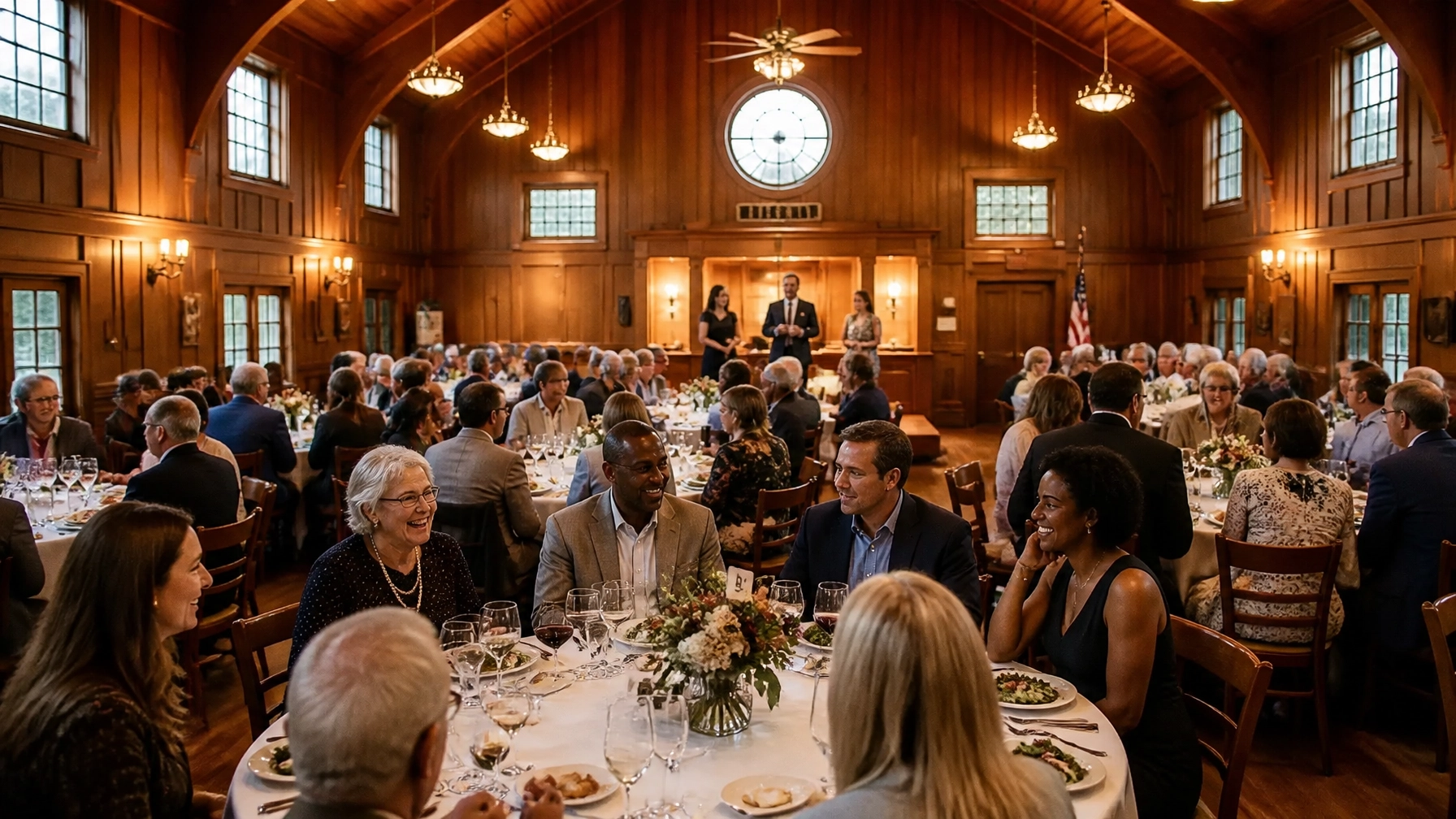
Empty dates are not just a scheduling problem. They are lost revenue, unused staff capacity, and missed opportunities to introduce new people to your venue.
Your wedding calendar may be booked months ahead, but many of the strongest opportunities for filling weekday, Sunday, and off-season dates come from organizations that plan events throughout the year: VFW posts, American Legions, Elks Lodges, Eagles, Rotary clubs, nonprofits, school groups, service organizations, and local hobby clubs.
These groups do not always need a traditional wedding venue. They need a dependable place for meetings, dinners, fundraisers, ceremonies, workshops, banquets, and community celebrations.
That distinction matters. You should not market to them with the same package or message you use for engaged couples. You need a community-use strategy built around recurring dates, straightforward pricing, practical amenities, and fast follow-up.
Start With the Dates You Actually Need to Sell
Before contacting organizations, identify your venue’s inventory problem.
Review the next six to twelve months and categorize every open date:
- Weekday evenings: Ideal for meetings, training sessions, club dinners, and board gatherings
- Sunday afternoons: Strong for fundraisers, luncheons, family events, and appreciation dinners
- Friday evenings: Useful for banquets, dances, award ceremonies, and social events
- Off-season dates: Excellent for annual fundraisers, holiday parties, conferences, and community programs
- Short-notice dates: Best suited to groups with flexible planning cycles
Do not simply say, “We have availability.” Build a specific list such as:
- First and third Tuesday evenings through November
- Four Sunday afternoons in February
- Wednesday evenings in January and March
- Two Friday dates available within the next 45 days
Specific availability creates urgency and makes it easier for an organization to make a decision.
Pro Tip: Review open dates every Monday. Your sales team should always know which dates need immediate attention and which can be held for higher-value opportunities.
You can also use a tiered pricing structure. Protect premium Saturdays, but create attractive community rates for the dates you need to fill. This lets you improve occupancy without training customers to expect discounts on your most valuable inventory.
Build Packages for Recurring Use
A social club or nonprofit is more valuable as a calendar relationship than as a one-time booking.
Create packages that make it easy for an organization to return every month, quarter, or year. Keep the offer simple enough to explain in one email.
1. Recurring Meeting Package
Include:
- Room rental
- Standard tables and chairs
- Basic setup and cleanup
- Wi-Fi
- Coffee, water, or light refreshments
- Basic audio-visual support
- A consistent weekday time block
Offer a lower rate for a three-, six-, or twelve-month commitment. The organization receives predictable costs, while you gain dependable occupancy.
2. Community Dinner Package
This package can serve VFW dinners, American Legion banquets, Elks events, Eagles gatherings, and service-club meals.
Include:
- Room access
- Banquet tables and chairs
- Buffet or plated meal options
- Beverage service
- Simple linens and centerpieces
- Microphone and speaker access
- A dedicated event contact
Consider reducing or waiving the room fee when the group meets a food-and-beverage minimum. You are not giving away the date; you are shifting the value toward revenue-producing services.
3. Fundraiser Package
Nonprofits need to raise money, so your offer must help them control costs and create a professional experience.
Include:
- Flexible seating for dinner and presentations
- Registration or check-in area
- Silent-auction or raffle tables
- Stage or presentation space
- Basic AV
- Vendor access
- Clear arrival and departure windows
You can offer favorable pricing for slower dates, but define the terms carefully. A nonprofit rate should still cover labor, utilities, setup, and cleaning.
4. Annual Celebration Package
Many organizations hold recurring events such as:
- Installation dinners
- Awards banquets
- Veteran appreciation events
- Scholarship dinners
- Holiday parties
- Volunteer celebrations
- School or team banquets
When a group books an annual event, offer priority access to the same date range next year. That small benefit can turn a one-time event into a multi-year relationship.

Build a Local Organization List
You do not need a large marketing department. You need a focused list and a consistent process.
Start by collecting 50 potential organizations within a practical driving radius of your venue. Divide them into categories:
- VFW posts and American Legions
- Elks Lodges and Eagles organizations
- Rotary, Lions, Kiwanis, and service clubs
- Chambers of commerce and business associations
- Local nonprofits and charitable foundations
- School booster clubs and alumni associations
- Churches and faith-based organizations
- Youth sports leagues
- Fire departments and public-service groups
- Hobby, arts, cultural, and social clubs
- Hospitals, senior organizations, and community programs
Use local directories, chamber websites, municipal calendars, Facebook groups, and the IRS Tax Exempt Organization Search to identify legitimate nonprofits and their leadership contacts.
For each organization, record:
- Organization name
- Primary contact
- Email address
- Phone number
- Typical event type
- Likely booking season
- Preferred day or time
- Last contact date
- Next follow-up date
This list becomes an asset. You can use it for future availability announcements, fundraiser promotions, and annual rebooking campaigns.
Outreach Must Be Specific and Useful
Do not send a generic message saying, “Let us know if you need a venue.”
Send a short, direct offer that connects your open dates to the organization’s likely needs.
For example:
Subject: Weekday meeting and dinner dates for [Organization Name]
We have several Tuesday and Thursday evenings available this fall that may work well for member meetings, dinners, or committee events. Our community-use package includes the room, standard setup, coffee service, and basic AV. We also offer discounted pricing for organizations booking a recurring series.
Would a 20-minute walkthrough next week help you compare options?
Mention the exact dates or recurring time slots you want to fill. Include starting pricing, capacity, parking information, food options, and what is included.
Your first objective is not to close the booking immediately. It is to secure a conversation, walkthrough, or date hold.
Key Strategy: Call within one business day of sending the email. Immediate response times improve your chances of reaching the organizer before another venue does.
Follow up using a clear schedule:
- Initial email
- Phone call within one business day
- Second email three to four days later
- Final availability message after seven days
- Monthly open-date update thereafter
Most venue owners stop after one message. That is not persistence; it is an incomplete sales process.
Make the Venue Easy to Operate
Community events can become profitable only when they are operationally efficient.
Standardize the details that tend to consume staff time:
- Three or four approved room layouts
- Fixed weekday time blocks
- Preselected catering menus
- Standard AV instructions
- Setup and cleanup responsibilities
- One-page contracts for recurring events
- Clear deposit and cancellation policies
- Defined access times for vendors and volunteers
- Storage rules for signs, auction items, and supplies
If a group must negotiate every detail from scratch, you increase friction and reduce your margin.
Create a recurring-event agreement that explains the full series: dates, payment schedule, setup standards, cancellation terms, food-and-beverage requirements, and the process for changing a date. Give the organization consistency while protecting your business.
Track the financial performance of every group. Measure:
- Revenue per booking
- Food-and-beverage revenue
- Labor hours
- Setup and cleanup costs
- Add-on purchases
- Repeat-booking rate
- Referral bookings
- Contribution margin
A $1,200 booking that requires excessive labor may be less valuable than an $850 meeting package that repeats twelve times and runs with minimal staff involvement.

Turn the First Event Into a Calendar Relationship
The first booking is the beginning of the sales process, not the end.
During the event, identify the person responsible for future planning. Ask practical questions:
- Does your organization hold this event annually?
- What other events do you host during the year?
- Do you need a regular meeting location?
- Which dates are typically difficult to secure?
- What would make the next event easier to organize?
Within 48 hours, send a thank-you message with three things:
- A brief recap of the event
- Any photos or approved promotional content
- A proposal for the next date or event series
Do not wait until next year to ask about renewal. Put the next event on the calendar before the current relationship loses momentum.
You should also ask for referrals. A VFW commander may know leaders at an American Legion. A nonprofit director may sit on another organization’s board. One successful event can expose your venue to dozens of local decision-makers.
For more ideas on increasing venue revenue, review Venue Builder’s guide to how event venues increase revenue and its practical event venue marketing ideas.
Your 30-Day Community Booking Action Plan
Days 1–5: Find the Inventory
- List every open weekday, Sunday, Friday, and off-season date
- Identify your three most underused time periods
- Calculate your minimum profitable booking price
- Choose two recurring packages and one fundraiser package
Days 6–10: Build the Offer
- Create a one-page PDF or web page for community bookings
- Photograph one realistic meeting or dinner setup
- Write your pricing, inclusions, capacity, and policies
- Prepare a short outreach email and call script
Days 11–15: Build the List
- Identify at least 50 local organizations
- Find a decision-maker for each organization
- Categorize each prospect by likely event type
- Add all contacts to a spreadsheet or CRM
Days 16–22: Start Outreach
- Contact at least 10 organizations per business day
- Make follow-up calls within one business day
- Offer specific open dates, not vague availability
- Schedule at least five walkthroughs or discovery calls
Days 23–30: Close and Improve
- Host a community venue preview or walkthrough evening
- Send proposals within 24 hours of each conversation
- Aim to secure three new bookings or one recurring series
- Ask every active prospect for a referral
- Review response rates and adjust your offer
A reasonable initial target is 50 qualified prospects, 10 conversations, five walkthroughs, and three signed bookings in 30 days. Track the numbers. If you contact 50 organizations and generate no conversations, your list or message needs work. If you generate conversations but no tours, your offer is unclear. If you conduct tours but close nothing, review your pricing, policies, and follow-up speed.
Frequently Asked Questions
Should I offer discounts to nonprofits and social clubs?
Offer value-based pricing on dates you need to fill, but do not discount blindly. Tie the rate to a weekday, off-season date, recurring commitment, food-and-beverage minimum, or limited service package.
What types of events are most profitable?
The best events are usually repeatable and operationally simple: recurring meetings, member dinners, fundraisers, annual banquets, workshops, and holiday parties. Measure profit after labor and setup costs, not just the rental fee.
How far should I travel to find organizations?
Start within a 20- to 30-minute drive of your venue. Local groups value convenience, and nearby organizations are more likely to return regularly or refer neighboring groups.
How do I compete with a VFW or American Legion’s own building?
Do not compete only on price. Compete on professionalism, parking, food service, AV, cleanliness, flexible layouts, and the ability to host larger or more polished events.
Should recurring groups receive the same room every time?
If your floor plan and calendar allow it, consistency is valuable. A familiar setup reduces questions, speeds service, and makes the organizer’s job easier.
How quickly should I respond to an inquiry?
Respond the same business day whenever possible. At a minimum, reply within one business day. Community organizers often compare several venues at once, and slow responses cost bookings.
Can AI help manage this outreach?
Yes. AI can help you organize prospect lists, create tailored outreach messages, generate fundraiser package ideas, and build follow-up campaigns. A venue-specific platform such as Venue Builder helps you work through these tasks without requiring you to become an AI expert.
How do I know whether this strategy is working?
Track open-date occupancy, inquiry-to-tour conversion, tour-to-booking conversion, average revenue per organization, repeat-booking rate, and contribution margin. Review the results every month and shift attention toward the groups and packages producing the strongest returns.
Your venue does not need to wait for wedding season to become profitable. Social clubs, nonprofits, and community organizations already have meetings, dinners, fundraisers, and annual events to plan.
Give them a clear reason to choose your space, make recurring use easy, respond quickly, and ask for the next booking before the first one is over. That is how you turn empty dates into dependable revenue and your venue into a stronger local business.
Leave a Reply