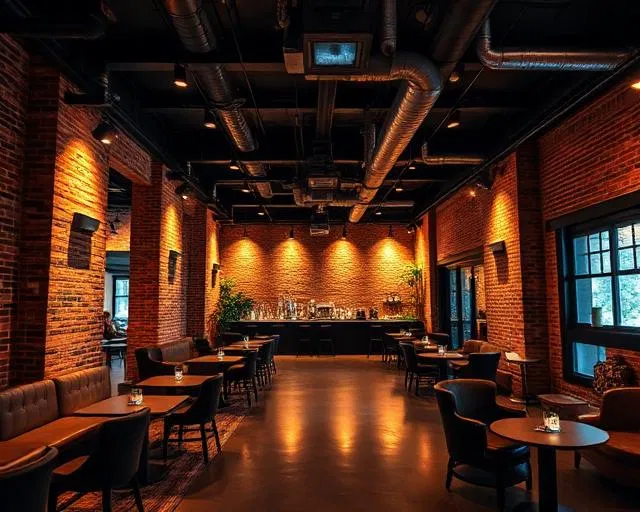
An empty Tuesday or Wednesday on your calendar isn't just an inconvenience: it is active, bleeding revenue. For many venue owners, the weekend is a goldmine of weddings and milestone celebrations, but the Monday-through-Thursday lull drains profitability and strains cash flow. While your fixed overhead costs like mortgage, insurance, and utilities remain stubbornly consistent seven days a week, your revenue often drops off a cliff the moment Sunday evening arrives.
The solution? Pivot your strategy toward corporate events and private daytime parties.
Corporate clients operate on an entirely different rhythm than weekend couples. They book months in advance, need space during off-peak hours, require reliable annual gatherings, and: most importantly: have corporate budgets that make weekday bookings highly lucrative. In fact, venues that successfully capture the corporate market see up to 25% higher average profit margins on weekday rentals because these events require shorter operational windows and streamlined service models.
If you are tired of staring at a blank calendar from Monday to Thursday, it is time to take a prescriptive, revenue-driven approach. Here is your step-by-step playbook to turning your venue into a weekday corporate magnet.
1. Design Turn-Key Corporate Packages (Stop Selling Bare Rooms)
Corporate event planners, office managers, and HR directors are busy professionals. They do not want to piece together rentals, AV equipment, and catering from five different vendors. When a corporate buyer looks at your venue, they are looking for frictionless convenience.
To capture their business, you must package your space into ready-to-buy solutions.
- The Half-Day & Full-Day Offsite: Package 4-hour or 8-hour blocks that include high-speed Wi-Fi, projector/screen access, conference seating, and continuous coffee service.
- The Lunch & Learn: A 3-hour midday slot featuring seated lunch catering, presentation setup, and breakout areas.
- Client Appreciation Happy Hours: Evening cocktail receptions with built-in bar service and soft lounge seating.
Pro Tip: Structure your packages with transparent per-person pricing rather than confusing hourly rates. Corporate finance departments budget per head, making your proposal instantly easier for them to approve internally.

2. Implement Smart Weekday Pricing and Minimums
Filling weekdays does not mean discounting your venue into the ground. Devaluing your space attracts low-budget clients who demand high-touch service, eroding your margins. Instead, protect your brand equity with strategic pricing structures.
- Set Weekday Minimum Spends: Establish realistic weekday minimum spends (e.g., $1,500 to $3,000 for afternoon sessions; $2,500 to $5,000 for weekday evenings) to ensure every booking is profitable.
- Tiered Upsell Layers: Start bookings at an accessible baseline package, then upsell premium add-ons like artisanal coffee bars, team-building facilitators, branded event signage, or extended AV support.
- Leverage Tools Like Venue Builder: If you struggle to determine the right pricing strategy or need help generating tailored corporate packages, platforms like Venue Builder can guide you through simple prompts to instantly formulate profitable weekday offerings without guesswork.
3. Target the Right Decision-Makers in Your Local Market
Corporate sales is a targeted B2B game. Waiting for corporate planners to stumble upon your Instagram feed is a losing strategy. You need to proactively get in front of the people whose job it is to book company events.
Who Should You Target?
Focus your outreach on businesses within a 20-mile radius with between 50 and 500 employees. These companies are large enough to have quarterly offsite budgets, yet agile enough that decisions aren't bogged down by corporate bureaucracy.
Key Job Titles to Connect With:
- HR Directors and People Operations Managers: Responsible for employee engagement, team retreats, and holiday parties.
- Executive Assistants: Often tasked by C-suite executives with sourcing board meeting locations and client dinner venues.
- Office & Facilities Managers: Responsible for internal company gatherings and milestone celebrations.
- Marketing & Event Directors: Constantly seeking unique offsite spaces for product launches and media mixers.
Use LinkedIn Sales Navigator or local Chamber of Commerce directories to build a list of 50 local decision-makers every week. Reach out with a short, value-focused 3-email sequence that highlights your venue's atmosphere and corporate capabilities rather than boring price sheets.

4. Upgrade Your Venue’s Infrastructure for Corporate Needs
Corporate clients have non-negotiable operational requirements. Before you pitch local businesses, audit your space to ensure it meets modern business standards:
- Robust Connectivity: High-speed, dedicated Wi-Fi is mandatory. If your guest Wi-Fi drops during a Zoom presentation, you will never see that client again.
- Flexible Lighting and Acoustics: Meeting spaces require bright lighting for presentations and clear acoustics. Ensure your HVAC system is quiet enough not to drown out speakers.
- ADA Compliance and Accessibility: Corporate policies strictly require accessible entrances, restrooms, and seating arrangements.
When your venue is genuinely business-ready, you can market these specific amenities boldly on your website's corporate landing page. For more inspiration on tailoring your space, explore our guides on Venue Builder's Blog.
5. Build a Predictable Repeat Booking Engine
Securing a corporate booking once is great; turning that company into a quarterly repeat client is where true venue wealth is built.
Companies hold annual kick-offs, quarterly strategy reviews, mid-year updates, and holiday celebrations every single year. Once a corporate planner has a successful event at your venue, their friction to return is near zero.
- The 90-Day Follow-Up: Set an automated reminder in your CRM to email corporate organizers 90 days after their event with a prompt: "Planning your Q3 team offsite? We’ve held your preferred Tuesday for you."
- Collect Corporate Testimonials: Gather brief video or written reviews from managers emphasizing how smooth the booking and execution was. Share these in your B2B email campaigns.
- Simplify Re-Contracting: Keep their preferred floor plans, catering preferences, and billing details on file so booking again takes a single phone call.

Summary: Take Action This Week
Filling your weekday calendar requires shifting from passive hope to active B2B outreach. By packaging your venue into turn-key corporate offerings, setting intelligent minimum spends, targeting local HR and office managers, and leveraging modern software like Venue Builder to streamline your marketing, you can transform your slowest days into your most reliable revenue streams.
Ready to see how easy it is to unlock hidden revenue and market smarter? Sign up for Venue Builder today and let our AI-powered assistant help you fill your open calendar dates effortlessly.

Frequently Asked Questions
How do I price my venue for corporate events compared to weddings?
Corporate events are typically priced per person or via a minimum spend model combined with room rental, rather than the flat high-fee structure used for weekend weddings. This makes pricing more competitive with local hotels and restaurants while protecting your profit margins through food and beverage minimums.
What amenities do corporate event planners look for most?
Corporate planners prioritize high-speed Wi-Fi, reliable AV projection equipment, flexible seating layouts, easy load-in access for breakout materials, on-site parking, and a dedicated venue coordinator who can assist during the event.
How far in advance do corporate clients book venues?
Unlike weddings that often book 12 to 18 months out, corporate offsite meetings and weekday events typically book 2 to 6 months in advance, making them ideal for filling short-term holes in your calendar.
How can I reach corporate event planners in my local area?
Start by targeting local businesses within a 20-mile radius with 50 to 500 employees. Use LinkedIn to connect with HR Directors, Office Managers, and Executive Assistants, and join your local Chamber of Commerce to network directly with business owners.
Do I need a large marketing team to attract corporate clients?
Not at all. With targeted outbound emails, clear package sheets on your website, and specialized marketing assistants like Venue Builder, independent venue operators can execute a professional B2B marketing campaign in just a few hours a week.
Leave a Reply