Blog

  • How to Fill Weekday Openings at Your Venue With Corporate Events and Private Parties

    How to Fill Weekday Openings at Your Venue With Corporate Events and Private Parties

    An empty Tuesday or Wednesday on your calendar isn't just an inconvenience: it is active, bleeding revenue. For many venue owners, the weekend is a goldmine of weddings and milestone celebrations, but the Monday-through-Thursday lull drains profitability and strains cash flow. While your fixed overhead costs like mortgage, insurance, and utilities remain stubbornly consistent seven days a week, your revenue often drops off a cliff the moment Sunday evening arrives.

    The solution? Pivot your strategy toward corporate events and private daytime parties.

    Corporate clients operate on an entirely different rhythm than weekend couples. They book months in advance, need space during off-peak hours, require reliable annual gatherings, and: most importantly: have corporate budgets that make weekday bookings highly lucrative. In fact, venues that successfully capture the corporate market see up to 25% higher average profit margins on weekday rentals because these events require shorter operational windows and streamlined service models.

    If you are tired of staring at a blank calendar from Monday to Thursday, it is time to take a prescriptive, revenue-driven approach. Here is your step-by-step playbook to turning your venue into a weekday corporate magnet.


    1. Design Turn-Key Corporate Packages (Stop Selling Bare Rooms)

    Corporate event planners, office managers, and HR directors are busy professionals. They do not want to piece together rentals, AV equipment, and catering from five different vendors. When a corporate buyer looks at your venue, they are looking for frictionless convenience.

    To capture their business, you must package your space into ready-to-buy solutions.

    • The Half-Day & Full-Day Offsite: Package 4-hour or 8-hour blocks that include high-speed Wi-Fi, projector/screen access, conference seating, and continuous coffee service.
    • The Lunch & Learn: A 3-hour midday slot featuring seated lunch catering, presentation setup, and breakout areas.
    • Client Appreciation Happy Hours: Evening cocktail receptions with built-in bar service and soft lounge seating.

    Pro Tip: Structure your packages with transparent per-person pricing rather than confusing hourly rates. Corporate finance departments budget per head, making your proposal instantly easier for them to approve internally.

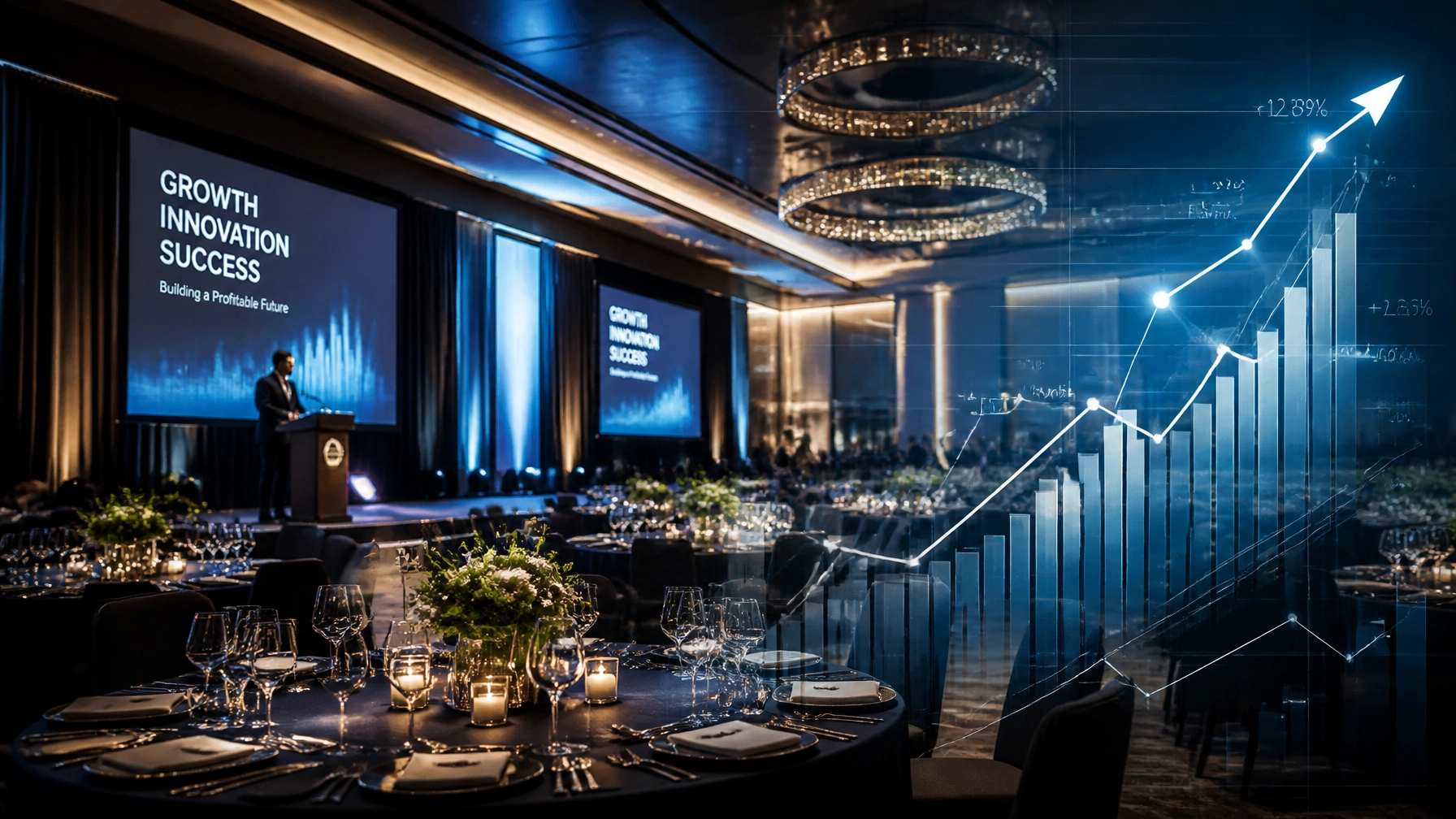
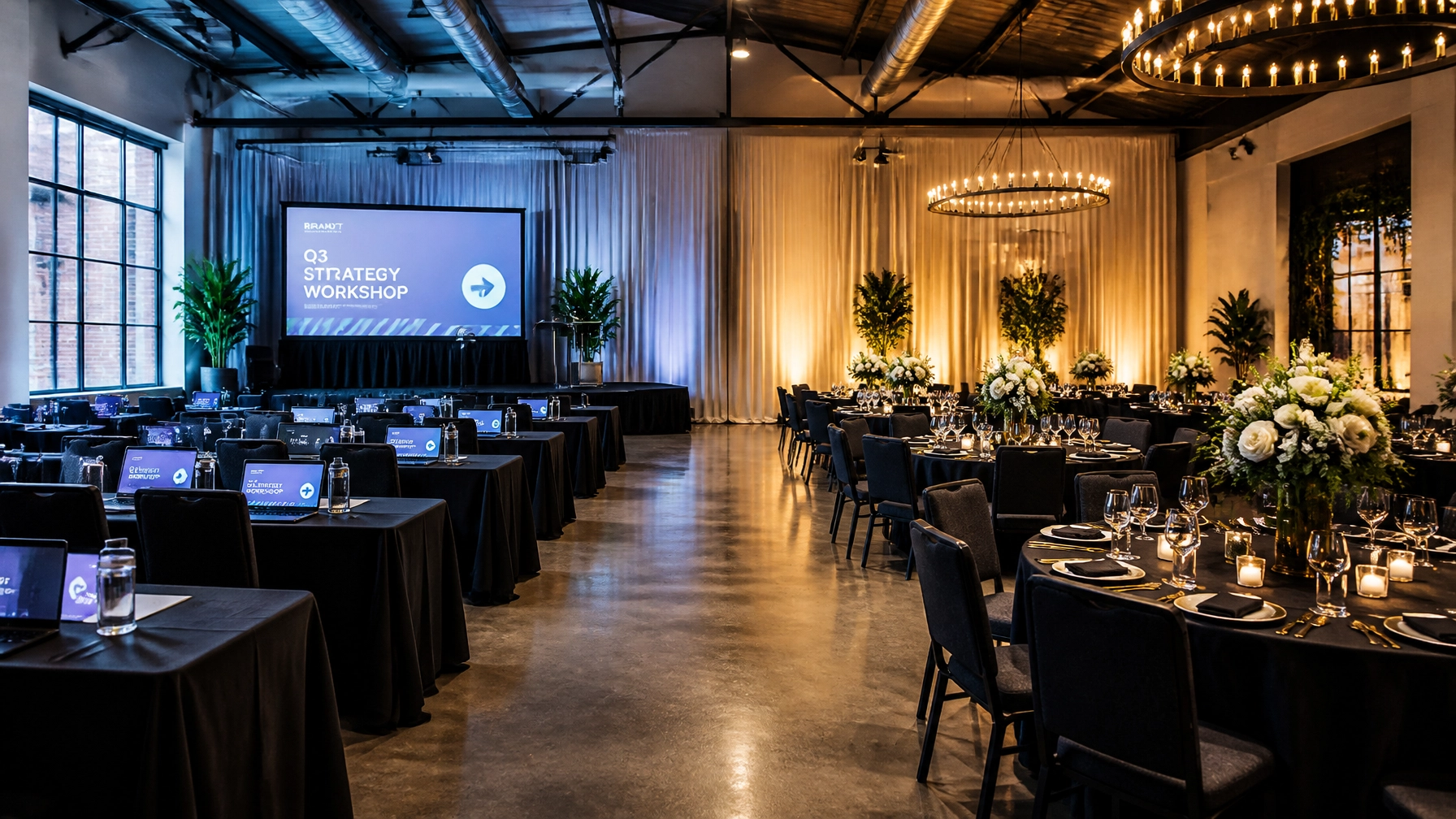
    Opulent ballroom set up with formal banquet seating and warm uplighting for corporate galas or large business functions


    2. Implement Smart Weekday Pricing and Minimums

    Filling weekdays does not mean discounting your venue into the ground. Devaluing your space attracts low-budget clients who demand high-touch service, eroding your margins. Instead, protect your brand equity with strategic pricing structures.

    • Set Weekday Minimum Spends: Establish realistic weekday minimum spends (e.g., $1,500 to $3,000 for afternoon sessions; $2,500 to $5,000 for weekday evenings) to ensure every booking is profitable.
    • Tiered Upsell Layers: Start bookings at an accessible baseline package, then upsell premium add-ons like artisanal coffee bars, team-building facilitators, branded event signage, or extended AV support.
    • Leverage Tools Like Venue Builder: If you struggle to determine the right pricing strategy or need help generating tailored corporate packages, platforms like Venue Builder can guide you through simple prompts to instantly formulate profitable weekday offerings without guesswork.

    3. Target the Right Decision-Makers in Your Local Market

    Corporate sales is a targeted B2B game. Waiting for corporate planners to stumble upon your Instagram feed is a losing strategy. You need to proactively get in front of the people whose job it is to book company events.

    Who Should You Target?

    Focus your outreach on businesses within a 20-mile radius with between 50 and 500 employees. These companies are large enough to have quarterly offsite budgets, yet agile enough that decisions aren't bogged down by corporate bureaucracy.

    Key Job Titles to Connect With:

    • HR Directors and People Operations Managers: Responsible for employee engagement, team retreats, and holiday parties.
    • Executive Assistants: Often tasked by C-suite executives with sourcing board meeting locations and client dinner venues.
    • Office & Facilities Managers: Responsible for internal company gatherings and milestone celebrations.
    • Marketing & Event Directors: Constantly seeking unique offsite spaces for product launches and media mixers.

    Use LinkedIn Sales Navigator or local Chamber of Commerce directories to build a list of 50 local decision-makers every week. Reach out with a short, value-focused 3-email sequence that highlights your venue's atmosphere and corporate capabilities rather than boring price sheets.

    Screenshot of the Venue Builder platform interface showing audience selection and off-season strategy planning


    4. Upgrade Your Venue’s Infrastructure for Corporate Needs

    Corporate clients have non-negotiable operational requirements. Before you pitch local businesses, audit your space to ensure it meets modern business standards:

    • Robust Connectivity: High-speed, dedicated Wi-Fi is mandatory. If your guest Wi-Fi drops during a Zoom presentation, you will never see that client again.
    • Flexible Lighting and Acoustics: Meeting spaces require bright lighting for presentations and clear acoustics. Ensure your HVAC system is quiet enough not to drown out speakers.
    • ADA Compliance and Accessibility: Corporate policies strictly require accessible entrances, restrooms, and seating arrangements.

    When your venue is genuinely business-ready, you can market these specific amenities boldly on your website's corporate landing page. For more inspiration on tailoring your space, explore our guides on Venue Builder's Blog.


    5. Build a Predictable Repeat Booking Engine

    Securing a corporate booking once is great; turning that company into a quarterly repeat client is where true venue wealth is built.

    Companies hold annual kick-offs, quarterly strategy reviews, mid-year updates, and holiday celebrations every single year. Once a corporate planner has a successful event at your venue, their friction to return is near zero.

    • The 90-Day Follow-Up: Set an automated reminder in your CRM to email corporate organizers 90 days after their event with a prompt: "Planning your Q3 team offsite? We’ve held your preferred Tuesday for you."
    • Collect Corporate Testimonials: Gather brief video or written reviews from managers emphasizing how smooth the booking and execution was. Share these in your B2B email campaigns.
    • Simplify Re-Contracting: Keep their preferred floor plans, catering preferences, and billing details on file so booking again takes a single phone call.

    Screenshot of the Venue Builder revenue workflow dashboard designed to help operators maximize space year-round


    Summary: Take Action This Week

    Filling your weekday calendar requires shifting from passive hope to active B2B outreach. By packaging your venue into turn-key corporate offerings, setting intelligent minimum spends, targeting local HR and office managers, and leveraging modern software like Venue Builder to streamline your marketing, you can transform your slowest days into your most reliable revenue streams.

    Ready to see how easy it is to unlock hidden revenue and market smarter? Sign up for Venue Builder today and let our AI-powered assistant help you fill your open calendar dates effortlessly.

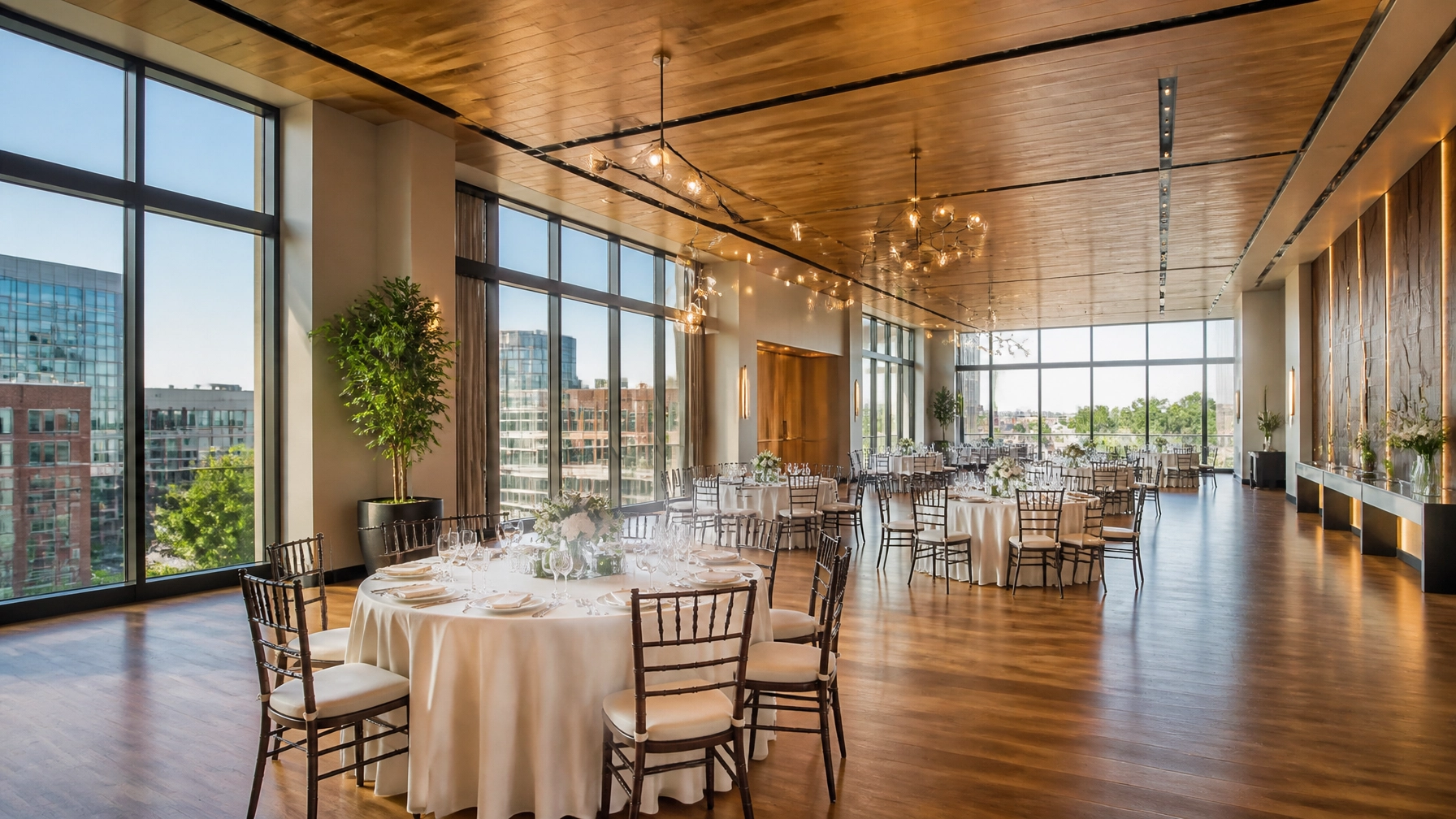
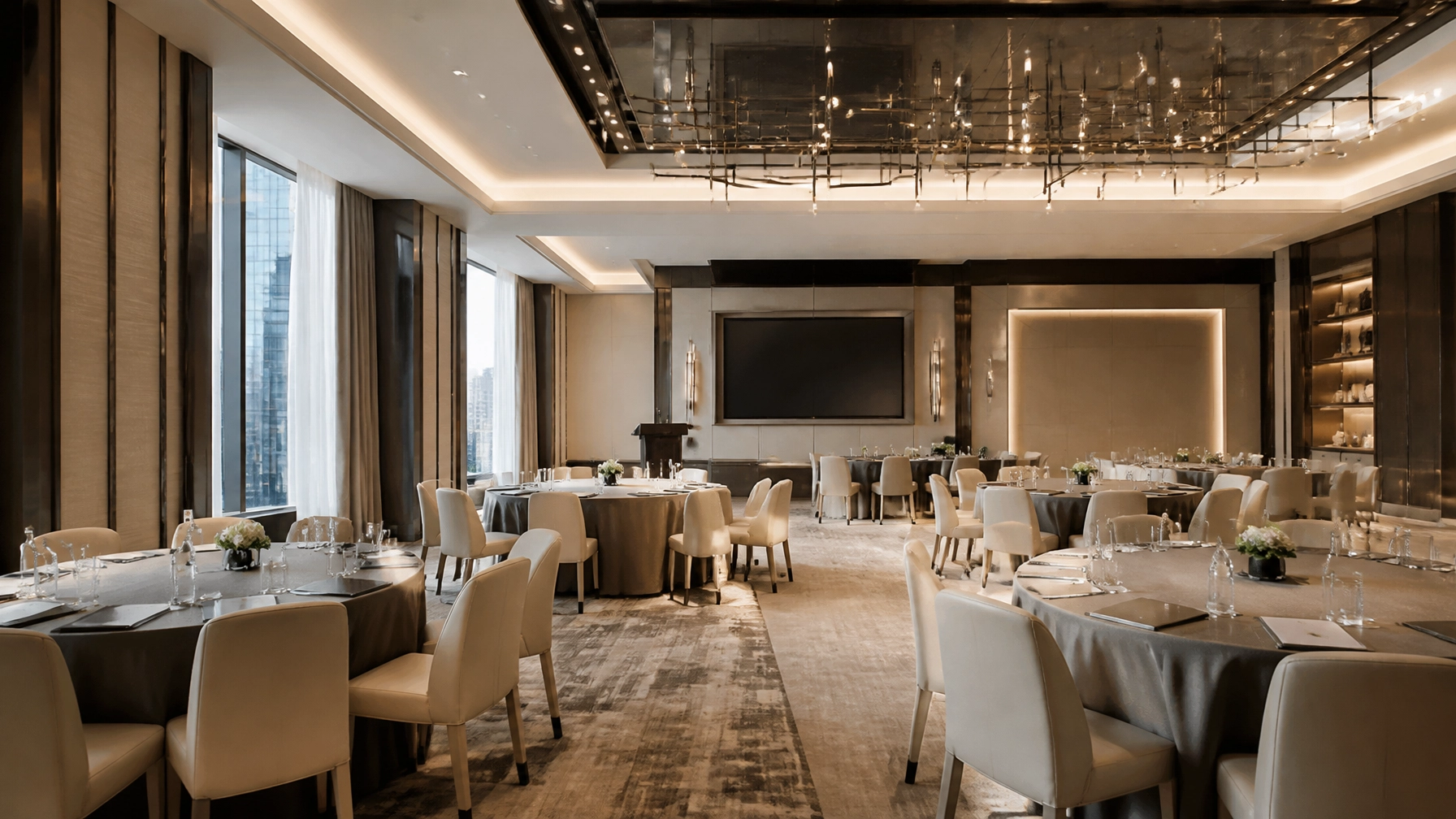
    Elegant high-ceilinged ballroom showcasing flexible seating and sophisticated décor tailored for high-end corporate banquets


    Frequently Asked Questions

    How do I price my venue for corporate events compared to weddings?

    Corporate events are typically priced per person or via a minimum spend model combined with room rental, rather than the flat high-fee structure used for weekend weddings. This makes pricing more competitive with local hotels and restaurants while protecting your profit margins through food and beverage minimums.

    What amenities do corporate event planners look for most?

    Corporate planners prioritize high-speed Wi-Fi, reliable AV projection equipment, flexible seating layouts, easy load-in access for breakout materials, on-site parking, and a dedicated venue coordinator who can assist during the event.

    How far in advance do corporate clients book venues?

    Unlike weddings that often book 12 to 18 months out, corporate offsite meetings and weekday events typically book 2 to 6 months in advance, making them ideal for filling short-term holes in your calendar.

    How can I reach corporate event planners in my local area?

    Start by targeting local businesses within a 20-mile radius with 50 to 500 employees. Use LinkedIn to connect with HR Directors, Office Managers, and Executive Assistants, and join your local Chamber of Commerce to network directly with business owners.

    Do I need a large marketing team to attract corporate clients?

    Not at all. With targeted outbound emails, clear package sheets on your website, and specialized marketing assistants like Venue Builder, independent venue operators can execute a professional B2B marketing campaign in just a few hours a week.
  • How to Turn Your Venue Into a Year-Round Destination for Events That Aren’t Weddings

    How to Turn Your Venue Into a Year-Round Destination for Events That Aren’t Weddings

    If your calendar looks like a patchwork quilt of packed Saturday nights during peak wedding season, followed by silent, empty Tuesdays through Thursdays the rest of the year, you are feeling the single greatest vulnerability in the hospitality industry: over-reliance on a single seasonal revenue stream.

    Too many venue owners treat weddings as their alpha and omega. But seasoned operators know a harsh truth: relying solely on Saturday weddings leaves up to 60% of potential annual revenue on the table. When the wedding bells stop ringing in late November, cash flow dries up, staff scatter, and overhead expenses keep marching in.

    To build a resilient, highly profitable business, you must transform your space into a true year-round venue revenue engine. By actively targeting non-wedding events, you can fill empty dates, maximize square footage, and turn slow weekdays into profit centers.

    Here is your master blueprint for diversifying your calendar, capturing high-value corporate and social clients, and dominating your local market 365 days a year.


    1. The Financial Logic of Venue Diversification

    Let’s look at the hard business logic. A traditional wedding venue operates on roughly 40 to 50 peak weekend dates per year. That leaves over 300 days where your rent, mortgage, insurance, and utilities continue accruing.

    When you expand your positioning from "just a wedding barn or ballroom" to a corporate event venue and multi-use social hub, everything shifts:

    • Weekday Utilization: Corporate workshops, training sessions, and executive retreats naturally land on Tuesday through Thursday.
    • Higher Average Margins: Corporate clients often book repeat quarterly meetings, creating predictable, recurring income streams.
    • Reduced Marketing Fatigue: Instead of competing in an oversaturated local wedding market, you tap into business budgets that are spent year-round regardless of wedding season trends.

    Pro Tip: Don’t wait for clients to guess if you host meetings. Explicitly update your website and media kits to feature corporate room setups, day-delegate packages, and technical capabilities alongside your romance galleries. Explore tools like Venue Builder to quickly generate targeted corporate marketing campaigns without spending hours writing copy from scratch.


    2. Auditing Your Calendar and Identifying Empty Gaps

    Before launching new offerings, conduct a ruthless audit of your last 12 months of bookings.

    High-end business meeting space inside a sophisticated event venue

    Step-by-Step Calendar Audit:

    1. Map the Dead Zones: Highlight every Tuesday, Wednesday, and Sunday that sat empty. Calculate your "lost revenue" per day based on your standard rental rate.
    2. Analyze Seasonality Dips: Identify your slowest months (typically January–March and July–August).
    3. Define New Segments: Match your venue’s unique strengths to specific non-wedding buyers:
      • Spacious ballrooms or historic estates excel at corporate galas, charity fundraisers, and large association dinners.
      • Intimate lofts and gardens thrive during daytime strategy sessions, baby showers, milestone birthday parties, and creator content shoots.

    By treating every empty date as an asset to be optimized, you shift your mindset from passive host to active enterprise operator.


    3. Crafting Irresistible Non-Wedding Packages

    Brides want romance, custom florals, and fairytale timelines. Corporate and private social clients want something entirely different: simplicity, speed, and clear ROI.

    If you try to sell a corporate meeting planner a standard "wedding package with a podium," you will lose the deal. You need specialized, turn-key packages designed specifically for non-wedding buyers.

    Essential Non-Wedding Packages to Build:

    • The Full-Day Executive Retreat: Includes 8-hour room rental, high-speed Wi-Fi, AV projector access, continuous coffee/tea service, and a catered boxed lunch from a local culinary partner.
    • The Milestone Social Celebration: Designed for 40–75 guests celebrating milestone birthdays, anniversaries, or retirement parties on a Sunday afternoon, featuring streamlined 4-hour rental blocks and simple bar minimums.
    • The Evening Networking Mixer: Perfect for midweek evenings (5:00 PM – 9:00 PM), featuring cocktail tables, ambient lighting, bartender staffing, and finger-food catering partnerships.

    Professional leadership retreat setup inside an upscale event venue

    Streamlining these packages means your staff spends less time custom-quoting and more time closing contracts efficiently.


    4. Season-by-Season Marketing Playbooks

    To keep your calendar full year-round, your marketing message must rotate with the business cycle. Here is how to structure your promotional efforts across the four quarters:

    Q1 (January – March): The Corporate Kickoff & Planning Season

    • Focus: Corporate annual meetings, leadership off-sites, and charity gala planning.
    • Action: Launch outbound email campaigns to local chamber of commerce members, HR directors, and event planners offering early-bird midweek meeting rates.

    Q2 (April – June): Graduations, Communions, and Spring Socials

    • Focus: Life-stage celebrations, proms, school banquets, and spring corporate mixers.
    • Action: Highlight your outdoor grounds or naturally lit indoor spaces for daytime family gatherings. Promote micro-event rentals that fill Sunday time slots.

    Q3 (July – Summer): Community Events & Production Rentals

    • Focus: Mid-summer lull mitigation through creative rentals.
    • Action: Pitch your venue to local photographers, brand agencies, and film crews for commercial content shoots. Host ticketed community workshops or tasting nights to keep your name visible.

    Q4 (October – December): Holiday Party Mania

    • Focus: Corporate holiday celebrations, end-of-year galas, and festive family gatherings.
    • Action: Open holiday party bookings as early as July. Companies lock in their holiday dates months in advance, if you wait until October, you've missed the window.

    5. Building a Local Referral Network That Generates Steady Leads

    You cannot capture the non-wedding market alone. Building a robust referral ecosystem with local businesses is your fastest shortcut to high-value bookings.

    • Partner with Local Caterers and AV Techs: Give local production companies and caterers commission incentives or preferred vendor status when they bring corporate clients to your space.
    • Connect with Destination Management Companies (DMCs): DMCs plan corporate events and incentive travel for major corporations. Introduce your venue as a unique alternative to generic hotel ballrooms.
    • Engage the Local Business Community: Join your local Rotary Club, Chamber of Commerce, and BNI (Business Network International) chapter. When local business leaders know, like, and trust you, you become their default answer when someone asks, "Do you know a great space for our quarterly summit?"

    6. How Venue Builder Automates Your Diversification Strategy

    Transforming your venue into a year-round powerhouse sounds like a massive operational lift: especially if you don't have a dedicated marketing department. That is precisely why Venue Builder was created.

    Sophisticated multi-use event venue prepared for a corporate workshop or conference session

    Instead of struggling to figure out what to post on Instagram or how to write a persuasive corporate outreach email, Venue Builder acts as your dedicated AI business assistant. Through a simple, guided series of questions tailored specifically to venue operators, the platform instantly generates:

    • Targeted Marketing Campaigns designed for corporate planners, social hosts, and community organizers.
    • Ready-to-Use Social Media Content that showcases your venue's versatility for meetings, galas, and parties.
    • Practical Event Ideas (such as holiday workshops, tasting series, and networking nights) guaranteed to fill your open weekday dates.

    Luxury event venue arranged for an executive networking reception or business retreat breakout session

    By letting modern technology handle the heavy lifting of content creation and ideation, you can focus on what you do best: touring clients, executing flawless events, and growing your bottom line.


    Conclusion: Take Action Today

    The most successful venues in the country don't survive on weddings alone: they thrive on venue diversification. By systematically auditing your calendar, packaging your space for corporate and social buyers, and maintaining consistent multi-season marketing, you eliminate the feast-or-famine cycle once and for all.

    Don't let another Tuesday sit empty. Review your pricing, outline your first corporate package today, and explore how Venue Builder can help you fill your calendar year-round.


    Frequently Asked Questions

    1. Will hosting corporate events and parties damage my wedding venue's romantic brand?

    Not at all. In fact, maintaining a polished, professional atmosphere enhances your brand across all categories. Modern couples love knowing a venue is professionally run, well-equipped with high-speed Wi-Fi and modern AV, and backed by a seasoned hospitality team.

    2. How do I price midweek corporate events compared to Saturday weddings?

    Midweek corporate rentals are typically priced lower than prime Saturdays, but they offset this with volume, food & beverage minimums, and repeat bookings. Many venues charge a flat day-delegate rate per person or a lower half-day room rental fee combined with required AV and catering packages.

    3. What is the easiest non-wedding event type to start with?

    Milestone birthday parties, baby showers, and anniversary dinners on Sunday afternoons are the easiest entry point because they utilize your existing wedding setup with minimal adjustments. For weekdays, corporate off-site meetings require very little setup and tap into steady corporate budgets.

    4. How can I market my venue to corporate clients if I have no corporate network?

    Start by updating your website to include a dedicated "Corporate & Meetings" page with clear capacity charts and amenities. Then, use marketing platforms like Venue Builder to generate professional outreach emails and social media posts targeted directly at local business owners and event planners.

  • 15 Creative Non-Wedding Events to Fill Your Empty Dates (Corporate, Social & Community)

    15 Creative Non-Wedding Events to Fill Your Empty Dates (Corporate, Social & Community)

    If you are a venue owner, you know the "Wedding Trap." Your Saturdays in June are booked two years out, but your Tuesdays in November are ghost towns. You have a beautiful space, a dedicated team, and fixed overhead that doesn’t care if there’s an event on the books or not.

    Every empty square on your calendar is lost revenue. While weddings are the "big wins," they are seasonal and high-pressure. To build a resilient, high-revenue business, you must diversify. You need to leverage your space for the other 300+ days of the year.

    The secret to a 100% occupancy rate isn’t finding more brides; it’s finding more reasons for people to gather. By targeting corporate, social, and community segments, you can fill those quiet weekdays and off-season months with high-margin events.

    Here are 15 creative non-wedding event ideas to fill your empty dates and maximize your venue’s ROI.


    The Corporate Market: Your Mid-Week Revenue Machine

    Corporate clients are the holy grail of venue management. Why? Because they meet on Tuesdays, Wednesdays, and Thursdays, the exact dates your venue is most likely sitting empty. They have company credit cards, they value efficiency, and they often book recurring events.

    1. Leadership & Strategy Offsites

    Companies need to get away from the "office vibe" to think big. Position your venue as a "Think Tank." Provide high-speed Wi-Fi, a projector, and a steady stream of high-quality coffee.

    • Pro Strategy: Offer a "Day Delegate Rate" that includes lunch and morning/afternoon snacks to make the booking decision effortless for the admin.

    2. Product Launch Parties

    Brands want a space that reflects their identity. Whether it’s a new software launch or a local boutique revealing a new line, your venue provides the "wow factor" that a hotel conference room lacks.

    3. Industry Networking Mixers

    Partner with local professional groups (Real Estate, Tech, Marketing) to host their monthly mixers. These are usually 2–3 hour events with high bar sales and minimal setup.

    4. Holiday Parties (Outside of December)

    The "January Holiday Party" is a growing trend for companies that are too busy in December (like retail or hospitality). Market these "Post-Holiday Bashes" at a slightly lower rate to fill your slowest month.

    5. Training Workshops & Seminars

    From sales training to CEU (Continuing Education Unit) courses for professionals, your venue is the perfect classroom. These often run for multiple days, filling a massive block of your calendar in one go.

    Actionable Tip: Use the Venue Revenue Builder to identify which corporate segments in your local area are currently underserved.


    Social Milestones: The Year-Round Celebration

    People don't just celebrate weddings. They celebrate lives, careers, and arrivals. These events are often less formal than weddings but can be just as profitable because they require less "hand-holding."

    A warm and festive milestone birthday celebration inside a beautiful venue.

    6. Milestone Birthdays (30th, 40th, 50th, etc.)

    The "Big" birthdays are increasingly moving out of the backyard and into professional venues.

    • Pricing Strategy: Create "Themed Packages" (e.g., A 1920s Speakeasy or a 70s Disco) that include basic decor. This allows you to charge a premium for the "experience" rather than just the room.

    7. Upscale Baby Showers

    Forget the living room games. Modern baby showers are sophisticated luncheons. Sunday mornings are the perfect time slot for these, leaving your Saturday nights open for larger bookings.

    8. Retirement Galas

    When a long-time executive or local educator retires, the celebration is often a formal affair. These are high-intent leads that value your venue’s ability to handle catering and audiovisuals for tribute videos.

    9. Celebration of Life / Memorials

    This is a sensitive but essential service. Families often look for beautiful, peaceful spaces to honor loved ones. Being a venue that offers a seamless, compassionate experience can build deep community roots.

    10. Family Reunions

    As families become more geographically dispersed, the "destination reunion" is booming. If your venue has outdoor space or unique historical features, market it as the "Home Base" for a weekend-long family gathering.


    Community & Non-Profits: Building Authority and Filling Gaps

    Community events might have tighter budgets, but they offer incredible marketing exposure. When 200 local movers and shakers attend a gala at your venue, they are all potential future clients.

    A grand ballroom venue prepared for a community charity gala.

    11. Charity Fundraisers & Silent Auctions

    Non-profits are always looking for a venue that "elevates" their cause.

    • The Play: Offer a "Non-Profit Discount" for weekday bookings. The visibility you get from their marketing materials is worth more than the gap in your rental fee.

    12. Local Art Exhibitions or Maker Markets

    Turn a slow Sunday into a pop-up market. Charge a small fee per vendor and keep the bar open. This brings hundreds of new people through your doors who may have never seen your space before.

    13. High School Proms & Sports Banquets

    These are large-scale, predictable, and recurring. Once you land a school’s business, you usually have it for years. These typically happen in the "shoulder seasons" (Spring and late Autumn).

    14. Political Town Halls or Club Meetings

    Groups like the Rotary Club, Elks, or local political committees need consistent meeting spots. A recurring monthly booking for a Tuesday morning breakfast might seem small, but it’s "guaranteed" revenue.

    15. Themed Public Events (Trivia, Comedy, Jazz Nights)

    If you have a slow night, host your own event. A ticketed "Comedy Night" or "Jazz & Wine Pairing" keeps your staff working and your brand top-of-mind for the local community.


    How to Market These Events Without Losing Your Mind

    The biggest challenge in diversifying is the marketing. You can't use the same "Dream Wedding" language for a Corporate Sales Seminar. You need different emails, different social posts, and different sales pitches.

    This is where Venue Builder’s AI-powered tools become your best friend.

    Screenshot of the Venue Builder Audience Selection tool.

    Instead of spending hours staring at a blank screen, you can use the Copy Builder to generate professional outreach emails for corporate planners or the Social Builder to create a month's worth of posts promoting your new "Baby Shower Brunch" package.

    By using AI marketing for small venues, you can act like a venue with a 10-person marketing team, targeting three different audiences simultaneously without burning out.


    5 Pro-Tips for Filling Dates FAST

    1. The "Off-Peak" One-Pager: Create a specific PDF for non-wedding events. Highlight your weekday rates and the "business-friendly" features of your space (power outlets, parking, acoustics).
    2. Tiered Pricing for Social Clubs: Offer a lower "room only" rate for community groups if they book at least 6 months in a row. Stability is better than a one-off high fee.
    3. Proactive Corporate Outreach: Don’t wait for them to find you. Use LinkedIn to find "Office Managers" or "HR Directors" in your zip code. Send them a personal invitation to come for a "Coffee & Tour."
    4. Incentivize Mid-Week Referrals: Offer your past wedding clients a "Referral Bonus" (like a local restaurant gift card) if they recommend your venue for their company’s next holiday party.
    5. Show, Don't Just Tell: Make sure your Instagram isn't only white dresses. Post photos of corporate setups, birthday balloons, and gala dinners so people know you do more than just weddings. Check out these venue social media ideas for more inspiration.

    Conclusion: Stop Leaving Money on the Table

    Filling your calendar is about mindset. If you view yourself only as a "Wedding Venue," you will always be slave to the season. If you view yourself as a Premium Gathering Space, the possibilities are endless.

    Filling your empty dates with corporate, social, and community events isn't just about the extra cash (though that’s great). It’s about building a brand that is a vital part of your local community, and ensuring your business is profitable 365 days a year.

    Ready to fill your calendar? See how Venue Builder can help you generate the ideas and marketing content you need to book more non-wedding events today.


    FAQ

    Q: Do non-wedding events require the same amount of staff?
    A: Generally, no. A corporate meeting might only require one site manager and a cleaning crew, whereas a wedding requires a full team. This makes non-wedding events often higher in net profit margin.

    Q: Should I offer a different price list for community events?
    A: Yes. It is common practice to have a "Community/Non-Profit Rate." This allows you to fill dates that would otherwise be empty while building goodwill and getting your brand in front of a wide audience.

    Q: How do I handle catering for small weekday meetings?
    A: If you don't have an in-house kitchen, partner with 2-3 local cafes or catering companies that specialize in "drop-off" lunch boxes. This provides a turnkey solution for your client with zero overhead for you.

    Q: How can I use AI to help book more events?
    A: Tools like Venue Builder can help you generate specific marketing campaigns for different segments (like "Retirement Parties" or "Tech Offsites") in seconds, allowing you to reach more markets with less effort.


  • The Social Club Playbook: Marketing Ideas for American Legions, VFWs, and Elks Lodges

    The Social Club Playbook: Marketing Ideas for American Legions, VFWs, and Elks Lodges

    For decades, organizations like the American Legion, VFW, Elks, and Eagles have served as the heartbeat of their communities. You have the history, the trust, and, most importantly, the physical space that many businesses would kill for. However, in the modern event landscape, many social clubs are sitting on a goldmine of underutilized square footage and untapped revenue.

    The reality is simple: an empty hall on a Tuesday night is lost revenue that you can never recover. To keep your doors open and your mission thriving, you must stop thinking of your post as just a members-only club and start marketing it as a premier community event destination.

    This playbook is designed to help you leverage your built-in community trust, modernize your operations, and fill your calendar with events that drive both revenue and new membership.

    1. The Hall Rental Goldmine: Beyond Member Meetings

    Your hall shouldn't just be for monthly meetings or the occasional funeral repast. It is a versatile event space that can compete with local hotels and banquet centers. The key to increasing venue revenue is shifting your focus toward private rentals.

    Diversify Your Rental Packages

    Many social clubs make the mistake of having one flat "rental fee." To maximize profit, you need a tiered approach:

    • The Corporate Mid-Week Package: Target local businesses for morning seminars or training sessions. Offer high-speed Wi-Fi and coffee service.
    • The Celebration of Life / Micro-Wedding: Use your smaller rooms or "off-peak" hours for intimate gatherings.
    • The Full-Scale Wedding: Position your large ballroom as a blank canvas for budget-conscious couples who want a high-value experience.

    Key Strategy: Create a simple "Lookbook" PDF that shows your space decorated for a wedding, a corporate meeting, and a birthday party. People need to see the potential before they can book it.

    A beautifully decorated social club hall for a wedding reception

    2. Programming for Profit: Community Events that Convert

    High-ROI community events serve two purposes: they generate immediate bar and kitchen revenue, and they act as a "tour" for potential rental clients and new members.

    The Classics, Reimagined

    • Friday Night Fish Fries & Steak Nights: These are staples for a reason. To increase revenue, partner with a local craft brewery for a "featured tap" night. It attracts a younger demographic and increases the average check.
    • High-Stakes Bingo & Trivia: Don’t just host bingo; host themed bingo. Think "80s Music Bingo" or "Local History Trivia."
    • Tournament Nights: Darts, horseshoes, or even e-sports tournaments for younger veterans can fill your bar on traditionally slow weeknights.

    Attracting the Next Generation

    To attract younger members, your programming must reflect their interests. Consider hosting family-friendly "Movie in the Park" nights (if you have outdoor space) or career networking events for transitioning service members.

    Pro Tip: Always have a "Join Us" station at every community event. Make it easy for people who are enjoying the vibe to sign up for membership on the spot.

    3. Digital Transformation: Market Like a Pro (Without the Team)

    The biggest hurdle for social club operators is time. You likely don’t have a full-time marketing manager. This is where you must leverage AI marketing for venues to work smarter.

    Leverage Your Membership Network

    Your members are your best ambassadors. Use "Word-of-Mouth 2.0" by:

    1. Tagging Members in Photos: When you post photos of a successful dinner, tag the volunteers and regulars. Their friends will see it, expanding your reach for free.
    2. Facebook Groups: Don't just post on your page; post in local "Community Happenings" groups.
    3. Email Newsletters: Collect emails at every event. A simple monthly update with the event calendar can increase repeat attendance by 25% or more.

    A vibrant scene inside a social club during a themed trivia night

    4. How Venue Builder Streamlines Your Marketing

    Most VFW or Legion commanders are busy managing the facility and supporting veterans; they don't have hours to spend on social media. This is exactly why we built Venue Builder.

    Instead of staring at a blank screen wondering what to post on Facebook, you can use the Social Builder tool to generate a full month of content in minutes. Whether you are promoting a New Year's Eve party or a weekly bingo night, the AI understands the social club industry and writes copy that resonates with your community.

    Fill Your Empty Dates Fast

    Our Revenue Builder workflow is designed to find "quick wins." If you have an empty Saturday next month, Venue Builder can help you create a "Flash Sale" campaign or an "Open House" event strategy to get bodies in the door and revenue on the books.

    Screenshot of the Venue Builder platform displaying the Revenue Builder workflow

    5. Strategic Partnerships: Building the Ecosystem

    You don't have to do it all yourself. Partnering with local businesses is one of the fastest ways to grow.

    • Local Caterers: If you don't have a full-time kitchen staff, partner with 2-3 local caterers. They will recommend your hall to their clients, and you get a consistent rental fee.
    • Vendor Referrals: Build a "Preferred Vendor List" including photographers, DJs, and florists. In exchange for the referral, ask them to feature your venue on their own social media pages.
    • Sponsorships: Offer local businesses the chance to sponsor your major events (like a Veterans Day 5K). Their logo goes on your banners, and their sponsorship covers your overhead, ensuring every ticket sold is pure profit.

    Action Plan: What to Do This Week

    1. Audit Your Space: Take high-quality photos of your hall while it's empty and well-lit.
    2. Claim Your Google Listing: Ensure your hours, address, and "Event Venue" category are correct on Google Maps.
    3. Schedule Three Events: Pick one community dinner, one trivia night, and one open house for tours.
    4. Use AI to Promote: Head over to Venue Builder and generate the social media posts and emails for those three events in under 10 minutes.

    FAQ: Marketing Your Social Club

    Q: We are a "private" club. Can we still rent to the public?
    A: In most jurisdictions, yes, though you may need to issue a "temporary guest" pass or follow specific "social club" tax laws. Always check your local liquor board and state laws, but many lodges operate as "Private Club, Public Rental" for their hall space.

    Q: How do we attract younger veterans?
    A: Focus on "Family & Career." Younger vets are looking for family-friendly atmospheres and professional networking. Remove the smoke, update the Wi-Fi, and offer events that include their spouses and children.

    Q: We don't have a marketing budget. How can we compete?
    A: You compete on community trust. Hotels feel corporate; your post feels like home. Use free tools like Facebook and Instagram, and leverage AI-powered content tools to create professional-grade marketing without the agency price tag.

    Q: What is the most profitable type of event for a lodge?
    A: Recurring "dead-hour" rentals. Brokering your space to a weekly yoga class, a bridge club, or a business networking group creates predictable monthly income with very low overhead.

  • Event Venue Profitability: 9 Proven Strategies to Increase Revenue and Maximize Your Margins

    Event Venue Profitability: 9 Proven Strategies to Increase Revenue and Maximize Your Margins

    Owning a venue is a dream for many, but running a profitable one is a rigorous business challenge. If you find yourself looking at a busy calendar but a thin bank account, you aren't alone. Many operators fall into the "revenue trap": focusing on how many bookings they have rather than the actual event venue profit margins left over after the lights go out.

    In 2026, the landscape of event space financial management has shifted. It’s no longer enough to just "rent the room." To achieve true event venue business growth, you must stop thinking like a landlord and start thinking like a yield manager. Every square foot and every hour of the day is an asset that needs to be optimized for maximum return.

    Whether you operate a rustic barn, a chic banquet hall, or a modern loft, these nine strategies will show you how to make money with an event venue while working smarter, not harder.


    1. Implement Dynamic Pricing and Minimum Spends

    The most common mistake in venue pricing strategy is having a static price list. If your Saturday night in June costs the same as a Thursday in November, you are leaving thousands of dollars on the table.

    The Strategy: Transition to a "Core + Flex" pricing model. Charge a premium for high-demand dates (Saturdays, holidays, and peak seasons) and set a minimum total spend (venue rental + F&B + add-ons) for these prime slots. This ensures that your busiest nights are also your most profitable.

    Pro Tip: For off-peak dates, don't just "discount." Instead, offer "value-add" packages that include services that have a high perceived value but low cost to you, such as early load-in times or a complimentary champagne toast.


    2. Diversify Your Revenue Streams Beyond Weddings

    While weddings are the "bread and butter" for many, relying solely on wedding venue income creates a feast-or-famine cycle. Successful operators look for ways to increase event venue revenue by filling the 250+ days a year that aren't Saturdays.

    Revenue Builder Workflow in Venue Builder

    The Strategy: Actively market to corporate and community groups. Mid-week corporate retreats, leadership workshops, and networking mixers are high-margin because they typically require less "hand-holding" than a wedding. Community events like wine tastings, holiday markets, or craft fairs can turn your space into a local destination while keeping the cash flowing during slow months.

    Action Item: Use a tool like the Venue Revenue Builder to generate specific event concepts for your slowest months.


    3. Maximize Revenue Per Booking with High-Margin Add-ons

    If you only sell the space, you are missing out on the most profitable part of the event industry: the experience. To maximize venue revenue, you must increase your average booking value through strategic upsells.

    The Strategy: Create a "Menu of Experiences." This could include:

    • Upgraded AV Packages: For corporate clients who need seamless hybrid meeting tech.
    • Premium Bar Programs: Offering local craft spirits or custom signature cocktails.
    • Ceremony Upgrades: Premium seating, arbor rentals, or "ready rooms" with stocked fridges.
    • Late-Night Snacks: A simple "taco bar" or "pizza station" at 11:00 PM is a high-margin crowd-pleaser.

    Pro Tip: Incorporate these add-ons into your initial tour. If couples see the "VIP Lounge" during their first visit, they are 40% more likely to book it than if you offer it a month before the wedding.


    4. Master the Micro-Wedding and Small Event Market

    Large gala events are great, but the overhead: staffing, cleaning, and wear and tear: is massive. In 2026, "micro-events" have become a secret weapon for banquet hall profitability.

    Event Blueprint for a S'mores Night

    The Strategy: Design a "Turnkey Micro-Package" for groups of 20–50. These events can often be scheduled on Sundays or weeknights and require 70% less labor. Because the guest count is low, you can charge a premium per person for a high-end, intimate experience, resulting in much higher event venue profit margins than a low-cost 200-person wedding.


    5. Optimize Venue Operations Efficiency

    Profitability is as much about what you keep as what you make. High operational costs are the "silent killer" of venue businesses.

    The Strategy: Focus on venue operations efficiency by cross-training your staff. A team member who can handle social media marketing during slow hours and act as a day-of coordinator during events is significantly more valuable than two specialized part-time employees. Additionally, audit your energy usage; switching to smart HVAC systems and LED lighting can reduce utility overhead by up to 25% annually.

    Key Strategy: Automate your lead management. Using AI-driven venue marketing software allows you to respond to inquiries instantly, increasing your lead-to-tour conversion rate without needing a full-time sales person.


    6. Build Strategic (and Profitable) Vendor Partnerships

    Your "Preferred Vendor List" is more than just a resource for clients; it’s a business development tool.

    The Strategy: Move beyond simple referrals. Negotiate "referral commissions" or "marketing fees" with high-end vendors like caterers and florists who benefit from being on your exclusive list. Alternatively, bundle their services into your all-inclusive packages and take a management fee. This simplifies the process for the client and adds a new wedding venue revenue stream for you.


    7. Leverage the Power of the Bar Program

    For venues with a liquor license, the bar is your highest-margin department. If you aren't managing it tightly, you are losing money every time a drink is poured.

    The Strategy: Implement strict inventory controls and "Bar Minimums." Instead of a "consumption-only" model where guests might not drink much, require a minimum spend. This guarantees your revenue and covers your staffing costs regardless of the crowd's energy. Additionally, push "Tiered Bar Packages": most clients will opt for the "Gold" or "Premium" level if the value difference is clearly articulated.


    8. Focus on Lead-to-Tour Conversion Rates

    You can spend thousands on ads to boost venue bookings, but if your sales funnel is leaky, that money is wasted. Your venue management tips aren't complete without a focus on the "closing" process.

    Venue Dashboard for Performance Tracking

    The Strategy: Track your data religiously. You should know exactly how many leads it takes to get one tour, and how many tours it takes to get one booking. If your tour-to-booking rate is below 30%, your "the vibe" might be off, or your pricing might be confusing. Use a dashboard to monitor these KPIs (Key Performance Indicators) monthly.

    Action Item: Read our guide on How to Market a Wedding Venue to refine your lead generation strategy.


    9. Use AI to Fill the Calendar While You Sleep

    The most successful venue owners in 2026 aren't the ones working 80 hours a week; they are the ones leveraging technology.

    The Strategy: Use an AI business assistant like Venue Builder to automate your content creation and event ideation. Instead of spending hours staring at a blank screen, you can generate an entire month of social media posts, email newsletters, and blog articles in minutes. This consistency keeps your venue "top of mind" for planners and couples, ensuring your booking velocity remains high year-round.


    Conclusion: Stop Dreaming, Start Scaling

    Increasing your venue profitability isn't about one big change; it’s about a dozen small optimizations. By diversifying your events, tightening your operations, and embracing modern technology, you can build a business that doesn't just survive but thrives.

    Ready to see how many dates you can fill? Check out our 100 Wedding Venue Marketing Ideas to get started.


    FAQ: Common Questions on Venue Profitability

    Q: What is a "good" profit margin for an event venue?
    A: While it varies by location and venue type, a healthy event venue profit margin typically falls between 15% and 30%. All-inclusive venues often have lower margins but higher total revenue, while "blank canvas" rentals have lower revenue but much higher margins.

    Q: How can I increase revenue without raising my base rental price?
    A: Focus on add-ons and "Experience Packages." Upsells like late-night food, premium lighting, or bridal suite upgrades can add 10–20% to your total booking value without scaring away price-sensitive clients with a high base fee.

    Q: What is the most profitable type of event?
    A: Corporate events and micro-weddings often have the highest ROI. Corporate clients are less price-sensitive and book during the week, while micro-weddings allow you to charge high rates with very low overhead and staffing requirements.

    Q: How often should I review my venue's pricing?
    A: At a minimum, review your venue pricing strategy annually. However, in a high-demand market, you should evaluate your "booking velocity." If you are booking dates too quickly (e.g., 18+ months in advance), your prices are likely too low.

  • How to Get More Venue Bookings Without Spending a Dime on Ads

    How to Get More Venue Bookings Without Spending a Dime on Ads

    If you are like most venue owners, your marketing budget is likely under a microscope. You see competitors pouring thousands of dollars into Facebook ads and high-ticket marketplace listings, and you wonder: Is that the only way to fill my calendar?

    The short answer is no. In fact, relying solely on paid ads is a dangerous game. It creates a "pay-to-play" dependency where the moment you stop spending, the leads stop coming.

    As an expert who has consulted with hundreds of venues, I can tell you that some of the highest-performing venues in the industry today are doing so by leveraging organic, zero-cost strategies that build long-term authority and sustainable lead flow. In 2026, planners are more savvy than ever; 90% of event planners use social media to find and vet venues, and they can spot a generic paid ad from a mile away.

    This guide will show you exactly how to capture those leads without spending a single dime on advertising.

    1. Optimize Your "Digital Front Door": Google Business Profile

    Before a couple or a corporate planner ever visits your website, they are likely searching for "[Your City] event venue" or looking at Google Maps. Your Google Business Profile (GBP) is your most powerful free marketing tool.

    Most venue owners "set it and forget it." To dominate local search, you must treat your GBP as a living, breathing portfolio.

    • Complete Every Attribute: Don't just list your address. Ensure you’ve checked every box for accessibility (ADA compliance), amenities (WiFi, air conditioning), and event types.
    • The Power of Seasonal Photos: Upload new photos at least once a month. Show your venue in the spring, the winter, and during a corporate seminar vs. a wedding gala.
    • Google Updates: Use the "Update" feature to post about open dates, new catering partners, or recent renovations. Google loves active profiles and will reward you with higher rankings in the "Local Pack."

    Pro Tip: Respond to every review, even the good ones. A thoughtful response to a 5-star review tells prospective clients that you are attentive and value your customers.

    A screenshot of the Venue Builder dashboard displaying an at-a-glance summary for a sample event venue, showcasing how to track key amenities and location details.

    2. Build a Reciprocal Referral Engine with Vendors

    In the venue industry, your "competitors" are other venues, but your "allies" are the vendors who work within your walls. Florists, caterers, photographers, and DJs are often the first people a client speaks to before they even lock in a space.

    You need to become their favorite venue to work with.

    • Preferred Vendor Lists (The Right Way): Instead of just listing names on a PDF, actively promote your favorite vendors on your social media. Tag them in your photos. When you make them look good, they are motivated to return the favor.
    • The "Vendor Social" Strategy: Once a year, host a "Vendor Open House." Invite local planners and vendors for a free cocktail hour. Let them experience the space without the pressure of an event. When they feel a personal connection to you and your space, your venue becomes the first one they recommend.
    • Data-Driven Partnerships: Use tools like Venue Builder to identify which types of events (corporate vs. community) are performing best, and then reach out to vendors who specialize in those niches.

    Screenshot of Venue Builder’s event planning interface showing suggested partners and risk/reward analysis for events.

    3. Leverage Social Proof as a 24/7 Sales Team

    Your marketing copy will never be as persuasive as a testimonial from a happy client. In an industry built on "the vibe" and emotional experiences, social proof is your most valuable currency.

    • The Post-Event Automation: Within 48 hours of an event ending, send a personalized email to the client. Ask for a review specifically on Google. Why? Because Google reviews directly impact your SEO.
    • Repurpose Reviews into Content: Don't let a 5-star review sit on a listing page. Turn it into a high-quality graphic for Instagram or include it in your email signature.
    • Video Testimonials: A 30-second clip of a bride or a corporate CEO saying, "This was the best experience of my life," is worth 100 static posts. According to recent data, video content generates 12x more engagement for venue marketing than text-based posts.

    4. Master Social Media Without the Time Sink

    Many venue owners feel like they are shouting into a void on social media. The secret is not to post more, but to post smarter.

    Stop focusing on "likes" and start focusing on "discovery."

    • Instagram Reels are Non-Negotiable: Reels are the only way to reach people who don't already follow you. Focus on "transformation" videos: show an empty room being set up for a 200-person gala.
    • Facebook Groups: Join local community and wedding planning groups. Do not spam your links. Instead, answer questions. When someone asks for a "rustic venue with a view," mention your space and offer a free tour.
    • Educational Content: Position yourself as the expert. Share venue marketing ideas or "3 things to ask before booking a ballroom." This builds trust before they ever enquire.

    Pro Tip: Use the Social Builder tool within Venue Builder to quickly generate a month’s worth of high-impact posts tailored to your specific audience (weddings, corporate, or community).

    Screenshot of Venue Builder’s Social Builder tool showing audience setup for Facebook, Instagram, and TikTok.

    5. Mine the "Gold Mine": Your Email List

    The most expensive lead is a new one. The cheapest lead is one you already have. Most venues have hundreds of "lost" inquiries, people who asked for a quote six months ago but never booked.

    • The Check-In Campaign: Send a "soft" check-in email to inquiries from the last 12 months. "We noticed you were interested in our space last year, we've just updated our wedding packages and wanted to see if you're planning any upcoming events."
    • The Corporate Retention Strategy: Corporate clients are the holy grail because they repeat. Email marketing is the #1 driver of returning corporate clients for venues. Send them seasonal reminders for holiday parties or quarterly meetings.
    • Benchmarks: Aim for a 25% open rate. If you aren't hitting that, your subject lines are likely too "salesy." Focus on being helpful, not promotional.

    6. Repurposing Content: Work Once, Use Five Times

    You don't need to be a full-time content creator. You need to be a "content recycler." One professional photo shoot of your venue can be turned into:

    1. A hero image on your website.
    2. A Google Business Profile update.
    3. An Instagram carousel.
    4. A header for your email newsletter.
    5. A background for a "Preferred Vendor" graphic.

    This "work smarter" approach is essential for venue managers who are already wearing too many hats. By filling empty wedding dates through strategic repurposing, you maximize the ROI of every asset you own.

    7. Local Networking and "Feet on the Street"

    In the digital age, we often forget the power of a handshake.

    • Local Chamber of Commerce: Be the venue that hosts the local mixer. Even if you don't charge for the space once or twice a year, the exposure to local business owners is invaluable.
    • Charity Events: Offering your space at a discount (or for free during a slow Tuesday) for a local non-profit gala gets hundreds of high-net-worth individuals into your building. Treat them like a full-paying client; they may be your next corporate booking.

    Unlock Your Venue’s Potential with Venue Builder

    Marketing your venue doesn't have to be a full-time job, and it certainly shouldn't require a massive ad budget. The strategies listed above, SEO, vendor partnerships, social proof, and email, are the bedrock of a successful, profitable venue.

    Venue Builder was designed specifically to help you execute these strategies in minutes, not hours. Whether you need to generate high-converting social copy, plan a campaign to fill a sudden opening, or identify new revenue-generating event ideas, our AI-powered assistant is here to guide you.

    Ready to stop paying for ads and start booking more tours?

    Screenshot of the Venue Builder dashboard highlighting the Revenue Builder, Copy Builder, and Social Builder tools.


    Frequently Asked Questions

    Q: How much time should I spend on organic marketing each week?
    A: If you use the right tools, you can manage a robust organic strategy in just 2-3 hours a week. Focus on one "big" task (like a vendor reach-out) and 20 minutes of daily social engagement.

    Q: Is Google Business Profile really more important than Instagram?
    A: For "high-intent" leads (people ready to book now), yes. Instagram is great for inspiration and vetting, but Google is where people go when they are actively searching for a venue in their area.

    Q: Should I list my prices on my website?
    A: Transparency builds trust. You don't have to list a final "to-the-penny" price, but providing a "starting at" range helps qualify leads so you don't waste time on tours for clients who can't afford your space.

    Q: What is the most effective way to get corporate bookings?
    A: Direct email outreach and local networking. Corporate planners value reliability and ease of communication above all else. Show them that you understand their specific needs (AV, catering, logistics).

    Q: Can AI really help with my marketing?
    A: Absolutely. Tools like Venue Builder take the guesswork out of what to write and how to promote your space, allowing you to focus on what you do best: running incredible events.

  • 7 Venue Marketing Mistakes That Are Costing You Bookings (And How to Fix Them)

    7 Venue Marketing Mistakes That Are Costing You Bookings (And How to Fix Them)

    Running a venue is a balancing act of hospitality excellence and logistical precision. But here is the hard truth: you can host the most breathtaking events in the state, but if your marketing engine is leaking, your calendar will always have gaps.

    In my years of consulting for event spaces, from rustic barns to high-end ballrooms, I’ve seen a recurring pattern. Venue owners often focus so much on the "day-of" experience that they neglect the "pre-booking" journey. This neglect isn't just a minor oversight; it is a direct drain on your bottom line.

    If you aren't seeing the booking volume you expect, you are likely making one (or all) of these seven critical marketing mistakes. Here is how to identify them, the data behind why they matter, and the prescriptive steps to fix them immediately.


    1. Relying Solely on Word-of-Mouth (The "Passive" Trap)

    For decades, the local social club or family-owned estate could survive on reputation alone. Today, that is a dangerous gamble. While word-of-mouth is high-conversion, it is unscalable and unpredictable.

    When you rely only on referrals, you are essentially letting your customers dictate your growth. Research shows that wedding fair attendance has dropped nearly 40% since 2019, and print magazine readership is down by 60%. If you aren't proactive, you are invisible to the modern "digital-first" planner.

    The Fix: Build a Proactive Lead Engine
    Stop waiting for the phone to ring and start generating your own demand. Use tools like the Venue Builder Revenue Builder to identify new audience segments, like corporate retreats or community workshops, and create targeted campaigns to reach them.

    Pro Tip: Aim for a 70/30 split. 70% of your bookings can come from referrals, but 30% should come from active marketing efforts to ensure a consistent, year-round pipeline.


    2. The Mobile-Dead Website (The 70% Bounce)

    Did you know that over 70% of couples and event planners browse venues on their smartphones first? If your website takes more than three seconds to load, or if a user has to "pinch and zoom" to read your capacity chart, you have already lost them.

    A non-responsive website isn't just a nuisance; it’s a red flag. It tells a prospective client that your business isn't modern or detail-oriented.

    The Fix: Optimize for the "Thumb" Experience
    Test your site on multiple devices. Ensure your "Book a Tour" button is large, easy to tap, and visible without scrolling. If your current site is a clunker, consider a simple, high-speed landing page that highlights your best photos and has a direct inquiry form.


    3. Ignoring Your Google Business Profile (The Local Ghost)

    When someone searches for "event spaces near me," Google doesn't just show websites, it shows the Map Pack. If you haven't claimed your Google Business Profile, or if your profile has two blurry photos from 2018, you are handing bookings to your competitors.

    The Fix: Claim, Complete, and Cultivate

    1. Claim your profile: It's free and essential for SEO.
    2. Update your photos: Upload at least 10 high-resolution shots of your space (empty and styled).
    3. Respond to every review: Even the bad ones. It shows you are an active, engaged owner.

    4. Posting Generic "Vanilla" Social Content

    "We host weddings!" is not a marketing strategy. Organic reach on social media is now typically under 5%. If you are just posting the same staged photos everyone else is using, you are white noise in a crowded feed.

    Venue Builder Social Builder interface showing audience and platform selection

    The Fix: Transition from "Posting" to "Storytelling"
    People don't book a venue; they book a feeling. Use the Venue Builder Social Builder to create content that highlights specific stories. Don't just show a table setting; show the behind-the-scenes chaos of a successful setup or a video testimonial from a happy couple.

    Key Strategy: Use the "Rule of Three." For every three posts, one should be educational (tips for planners), one should be emotional (a real wedding story), and one should be promotional (a limited-time offer for an open date).


    5. The "Black Hole" Lead Follow-up

    This is the single biggest revenue killer in the industry. Data suggests that if you take more than 48 hours to respond to an inquiry, the chance of that lead booking drops by nearly 80%. In the age of instant gratification, a "response within 2-3 business days" is an invitation for your lead to keep shopping.

    Venue Builder interface showing marketing post drafts and ticket urgency messaging

    The Fix: The 2-Hour Rule
    Your goal should be an initial response within two hours during business hours. Use automation to send an immediate "I received your inquiry, here is our brochure" email. This buys you time to follow up personally while keeping the lead warm.

    Venue Builder’s Copy Builder can help you draft these high-conversion response templates so you never have to "start from scratch" when a lead hits your inbox.


    6. Neglecting Your Inbox (The Missing Nurture)

    Most venues send one email with a PDF brochure and never follow up again. If the client doesn't book a tour immediately, they are forgotten. This is a massive mistake. Often, a "no" today is just a "not yet."

    The Fix: The 5-Touch Sequence
    Create a simple email nurture sequence for everyone who inquires:

    • Day 1: The Brochure & Introduction.
    • Day 3: A "Look Inside" video or virtual tour.
    • Day 7: A testimonial from a similar event type.
    • Day 14: An FAQ list answering common concerns.
    • Day 30: A check-in to see if they’ve found their dream space yet.

    7. Failing to Showcase Versatility (The "One-Trick Pony")

    If your marketing only shows weddings, corporate planners will assume you can't handle a seminar. If you only show parties, couples will think you aren't "bridal" enough. By not showcasing the versatility of your space, you are artificially shrinking your market.

    Revenue Builder tool interface for selecting target audiences like weddings, corporate, and community groups

    The Fix: Market the "Use-Case," Not the Walls
    Stop selling the "room" and start selling the "transformation." Use the Revenue Builder to generate ideas for off-peak dates. Create separate landing pages or social media highlights for different event types: "Corporate Retreats," "Micro-Weddings," and "Community Galas." Show that your venue is a blank canvas for any vision.


    Conclusion: Stop Guessing, Start Growing

    Marketing doesn't have to be a dark art. Most "failed" marketing is simply a lack of consistency and a failure to address modern consumer behavior. By fixing these seven mistakes, you aren't just "doing marketing": you are building a sustainable, high-revenue business.

    At Venue Builder, we built our platform specifically to help you bridge these gaps without needing a marketing degree. Whether you need to generate new event ideas or draft social posts that actually convert, we’ve got your back.

    Venue Builder dashboard displaying Revenue Builder, Copy Builder, and Social Builder tools

    Ready to stop losing bookings? Get started with Venue Builder today.


    FAQ: Frequently Asked Questions

    How much should I spend on venue marketing?

    Most successful venues allocate 5-10% of their gross revenue to marketing. However, with AI tools like Venue Builder, you can significantly reduce your "man-hours" cost, allowing that budget to go further in paid ads or better photography.

    Should I put my pricing on my website?

    Yes. Statistics show that venues with transparent pricing or "starting at" ranges see 60-70% more qualified inquiries. Hiding your price just leads to more "tire-kickers" wasting your time on tours they can't afford.

    How often should I post on social media?

    Quality beats quantity. Aim for 3-4 high-quality, story-driven posts per week rather than daily "fluff." Consistency is more important than frequency.

    What is the best way to get more reviews?

    The best time to ask for a review is 48 hours after the event ends, while the "high" is still fresh. Send a direct link to your Google Business Profile via email or text.

  • Beyond the Bride: How to Market Your Venue to Corporate, Community, and Social Clients

    Beyond the Bride: How to Market Your Venue to Corporate, Community, and Social Clients

    If you are like most venue owners, your calendar is a game of two halves. Your Saturdays are likely booked out eighteen months in advance with white dresses and tiered cakes. But what about your Tuesdays? What about your Wednesday mornings or your Thursday nights?

    Relying solely on weddings is a high-risk strategy that leaves 80% of your calendar: and your revenue potential: untapped. In the modern event landscape, the most successful venues aren't just "wedding venues"; they are versatile event destinations.

    The data is clear: The U.S. event management market was valued at approximately $285.18 billion in 2024 and is projected to skyrocket to over $471 billion by 2033. While weddings are a massive part of that, corporate and community events are the engines that drive year-round profitability. In fact, many high-performing venues now report that 50% of their annual revenue comes from non-wedding bookings.

    If you are ready to stop leaving money on the table and start filling those "dark" dates, it’s time to pivot your marketing strategy. Here is your expert guide to unlocking the corporate, community, and social markets.


    The Corporate Powerhouse: Marketing for ROI and Efficiency

    Corporate clients aren't looking for "the vibe" in the same way a couple is. They are looking for solutions. When a marketing manager or HR director looks for a venue for a holiday party, team offsite, or product launch, they are balancing a budget and a list of logistical requirements.

    Corporate events represent a goldmine because they often happen during the week and lead to recurring annual business.

    How to Position Your Venue for Corporate Success

    • Highlight the "Boring" Necessities: Corporate planners care about high-speed Wi-Fi, AV capabilities, parking, and proximity to hotels. If you have fiber-optic internet and a built-in projector, lead with that.
    • Focus on Professionalism, Not Romance: Your website copy for weddings might use words like "whimsical" and "eternal." For corporate, swap those for "seamless," "productive," and "strategic."
    • Offer All-Inclusive "Day Rates": Create a package that includes the space, coffee service, lunch catering, and AV setup for a flat per-head fee. This makes it incredibly easy for a busy office manager to hit "book."

    Pro Tip: Events have become the second-largest marketing expenditure for companies, with about 14% of total marketing budgets allocated to them. Position your venue as a partner that helps them achieve their brand goals, not just a room for rent.


    The Heart of the Community: Fundraisers, Galas, and Nonprofits

    Community events: think local school fundraisers, nonprofit galas, and civic group meetings: are the secret to high-volume, high-reputation business. These clients are often looking for spaces that can handle large crowds and offer a sense of prestige or community connection.

    An elegant community fundraiser gala in a modern industrial loft venue

    Strategies for Community Bookings

    • The "Legacy" Angle: Nonprofits want their donors to feel like they are part of something special. Emphasize how your venue’s history or unique architecture adds gravity to their cause.
    • Tiered Pricing for Nonprofits: Offer a "Community Rate" for registered 501(c)(3) organizations on off-peak days. You’ll fill a date that would otherwise be empty, and you’ll get your venue in front of hundreds of local donors: many of whom may be looking for a wedding or corporate venue later.
    • Collaborative Marketing: When you host a community event, leverage their mailing list. Ask to be featured in their event program or newsletter as a "Community Partner."

    Key Strategy: Nearly 70% of Americans prefer attending events close to home. If you aren't the "go-to" spot for your local chamber of commerce or regional charities, you are ignoring your most immediate market.


    Social Celebrations: Beyond the Big "I Do"

    Don't overlook the "social" segment: 50th-anniversary parties, milestone birthdays, bar/bat mitzvahs, and graduation celebrations. These events often mirror weddings in their need for aesthetics and service but carry far less pressure and shorter booking leads.

    Attracting the Social Client

    • Leverage "Micro-Event" Trends: Since 2024, there has been a significant shift toward smaller, more experiential gatherings. Create a "Social Soiree" package specifically for groups of 30-50 people.
    • Update Your Visuals: If your Instagram is 100% bridal, a father planning his daughter’s graduation party will feel like he doesn’t belong there. Post "social proof" of birthday parties and anniversaries.
    • Fast Response Times: Social clients often plan on shorter timelines than couples. If you can respond to an inquiry within 2 hours, you are 50% more likely to win the booking.

    The Digital Facelift: Updating Your Online Presence

    You cannot catch different fish with the same bait. To attract corporate and social clients, your digital footprint needs to reflect your versatility.

    1. Targeted Landing Pages

    Do not just have a "Gallery" page. Create specific landing pages for:

    Each page should feature photos and testimonials specific to that niche.

    2. Strategic SEO

    Stop trying to only rank for "wedding venue near me." Start targeting keywords like "corporate holiday party venue [Your City]" or "private room for anniversary party." This pulls in traffic that is actively looking to spend money on non-wedding dates.

    3. Leverage AI Marketing Tools

    Diversifying your marketing sounds like a lot of work, but it doesn't have to be. Tools like Venue Builder are designed to help you generate this content in minutes rather than hours.

    Venue Builder Dashboard showing venue management and promotional tips


    Using Venue Builder to Fuel Your Expansion

    If the idea of writing different copy for corporate clients and socialites feels overwhelming, this is where Venue Builder becomes your most valuable employee. Instead of staring at a blank screen, you can use the platform to generate targeted marketing ideas and content strategies.

    How to Leverage the Platform:

    • Revenue Builder: Use this to identify which dates are consistently empty and let the AI suggest event types (like "Rustic Cinema & S'mores Night" or "Executive Leadership Offsite") that fit your specific venue type.
    • Copy Builder: Instantly generate professional, ROI-focused captions for LinkedIn to attract corporate planners, while keeping your Instagram "vibe" perfect for social clients.
    • Social Builder: Set your target audience to "Corporate" or "Community" to get a pre-designed 4-day campaign aimed at filling those specific needs.

    Venue Builder Revenue Builder tool for selecting corporate and community audiences

    By selecting the right audience in the Revenue Builder, you ensure that every piece of marketing you put out is hitting the right pain points for that specific client.


    The Efficiency Mandate: Working Smarter, Not Harder

    The modern venue owner is no longer just a "host": you are a marketing strategist. To survive and thrive, you must maximize the utility of your physical asset. Every day your doors are closed is a day of lost revenue.

    Venue Builder Copy Builder interface showing segmentation for various marketing requirements

    By diversifying into corporate, community, and social sectors, you create a "recession-proof" business. When wedding trends shift, your corporate bookings keep you stable. When the economy tightens, your local community fundraisers keep your name prominent.

    Stop being a Saturday-only business. Start being a 365-day destination.


    Frequently Asked Questions

    1. Will marketing to corporate clients hurt my "luxury" wedding brand?

    Not if you do it correctly. By using targeted landing pages, you can present a corporate face to businesses and a romantic face to couples. Your brand is "Excellence in Events," which applies to both.

    2. What is the fastest way to get corporate bookings?

    Local networking and LinkedIn. Use Venue Builder to draft a professional outreach email and send it to the HR directors of the top 20 employers in your 10-mile radius.

    3. Do I need different furniture for corporate events?

    Not necessarily. Many corporate planners love the "unique aesthetic" of wedding venues. Often, all you need is a clean layout, a few extra power strips, and a designated "quiet zone" for phone calls.

    4. How do I price non-wedding events?

    Corporate and social events usually have smaller budgets than weddings but involve much less work for your staff. Consider an hourly rate or a "half-day" rate to stay competitive while maintaining a high margin.

    5. Can I really use AI to manage all this?

    Yes. AI tools like Venue Builder are built specifically for the venue industry. They guide you through simple questions so you can generate powerful results without needing to be a marketing expert.