Blog

  • Thursday Is the New Friday: How to Win Corporate Bookings on Your Slowest Weekdays

    Thursday Is the New Friday: How to Win Corporate Bookings on Your Slowest Weekdays

    Friday and Saturday may be your most visible booking days, but they should not be your only profitable days.

    For many event venues, Tuesday through Thursday represent the biggest untapped revenue opportunity on the calendar. Corporate teams need locations for training sessions, leadership meetings, client presentations, sales kickoffs, networking events, and employee workshops. Yet many venue owners continue marketing almost exclusively to weddings, parties, and weekend celebrations.

    That creates a costly blind spot.

    Corporate planners are increasingly choosing shorter, more intentional, in-person events. Cvent reports that 48% of event professionals are currently sourcing non-hotel locations, while 72% expect event costs to rise by as much as 20% compared with 2025. As budgets receive more scrutiny, planners want venues that deliver clear value, flexible layouts, reliable technology, and a professional experience.

    The opportunity is not simply to discount an empty Thursday.

    It is to turn Thursday into a purpose-built corporate product.

    Why Thursday Is a Strong Corporate Booking Day

    There is no reliable public dataset that isolates Thursday as a percentage of all corporate venue bookings. However, planner behavior consistently points toward Tuesday through Thursday as the core business-event window.

    Monday is often consumed by catch-up work, internal meetings, and travel recovery. Friday competes with early departures, remote work, and personal commitments. Tuesday, Wednesday, and Thursday are typically the strongest days for focused attendance and productive programming.

    Thursday has an additional advantage: it can support both a daytime meeting and an evening experience.

    A company can host:

    • A morning training session
    • An afternoon strategy workshop
    • A client reception or networking dinner
    • A team-building activity before attendees travel home Friday

    That makes Thursday more than a rental day. It becomes a full business-and-social event platform.

    Pro Tip: Stop advertising “weekday availability.” Start advertising “Thursday Executive Workshop Days,” “Midweek Team Offsites,” and “Corporate Training Packages.” Specific products convert better than generic open dates.

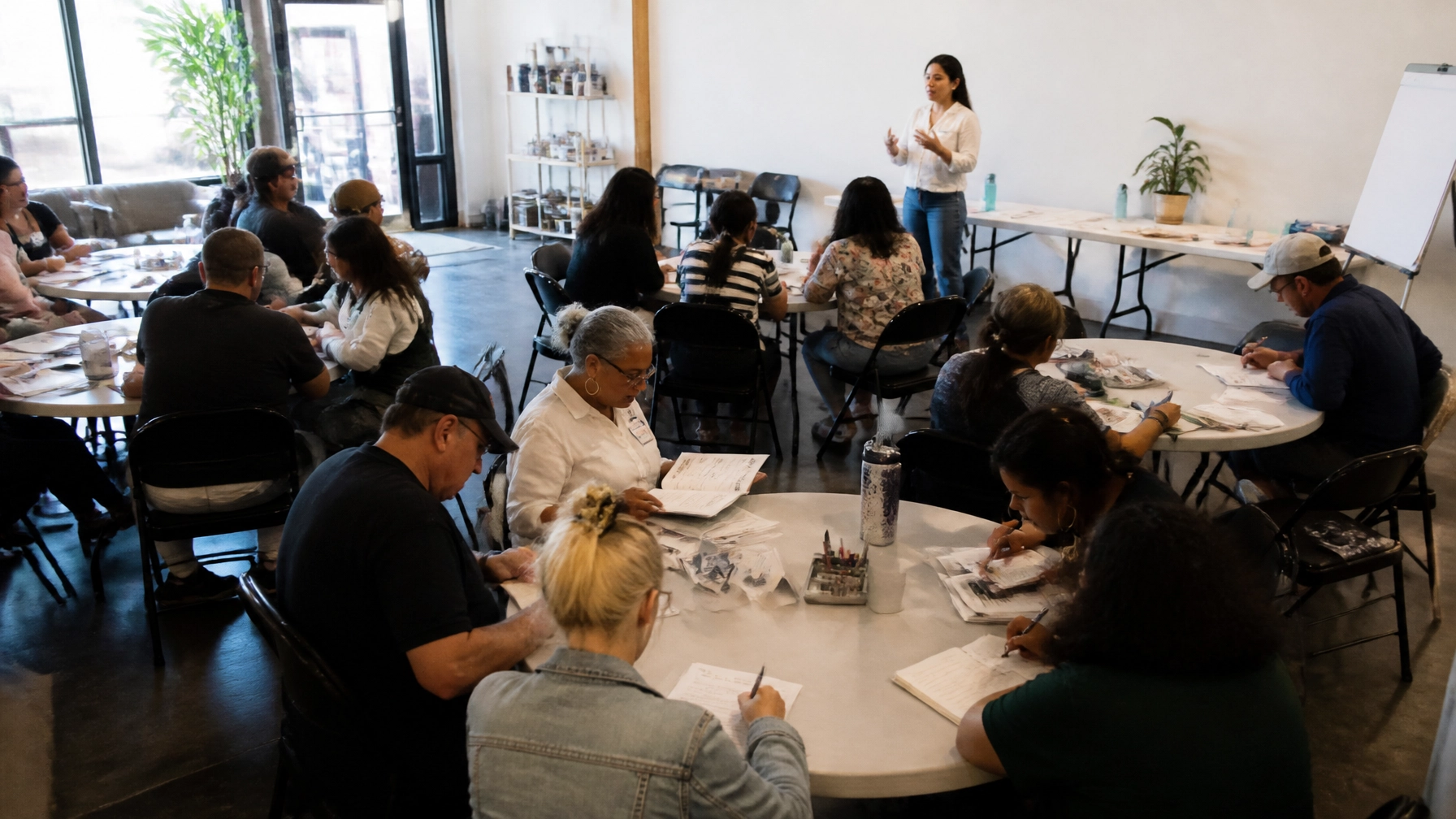
    Overhead view of an active corporate skills workshop with small groups collaborating at tables

    The Revenue Case for Midweek Corporate Events

    Your goal is not to replace weekend weddings. Your goal is to monetize inventory that would otherwise produce nothing.

    Consider a simple example:

    • Thursday venue rental: $2,000
    • Catering and beverage revenue: $1,500
    • AV, setup, and service upgrades: $750
    • Total booking value: $4,250

    Eight bookings like that create $34,000 in additional revenue without requiring you to add another Saturday to the calendar.

    Corporate events can also be operationally attractive. A well-designed day meeting often uses fewer décor elements, has a defined schedule, and generates revenue from several controllable categories: room rental, food and beverage, AV, upgraded furniture, staffing, and breakout space.

    The margin improves when you package these elements instead of quoting every item separately.

    Use a simple contribution-margin calculation for every package:

    Booking revenue – direct event costs = contribution margin

    Then compare that margin with your typical wedding or social booking. Do not assume the corporate event is automatically more profitable. Measure it. A streamlined Thursday package with efficient staffing and strong catering attachment can become one of your highest-margin products.

    Step 1: Target the Right Corporate Buyers

    Do not market to “businesses” as one audience. Build a target list based on organizations that regularly need meeting space.

    Start with:

    1. Local employers with 25 to 250 employees
      These companies often need offsite space but do not have dedicated training facilities.

    2. Healthcare practices and medical groups
      They need compliance training, staff meetings, recruiting events, and professional development days.

    3. Banks, insurance agencies, and financial firms
      Target leadership meetings, client seminars, team retreats, and employee recognition events.

    4. Manufacturers, distributors, and trades companies
      These businesses frequently require safety training, sales meetings, and annual planning sessions.

    5. Nonprofits and associations
      Offer board meetings, donor events, educational workshops, and member gatherings.

    6. Regional sales teams
      A convenient venue can host quarterly meetings, product training, and territory kickoffs.

    7. Professional service firms
      Law firms, accounting firms, real estate offices, and marketing agencies often need client-facing events that feel more distinctive than a hotel conference room.

    Build a prospect list of at least 50 organizations within a 30-minute drive. Identify the office manager, executive assistant, HR director, marketing director, or event coordinator. These people often influence venue selection long before a formal request reaches procurement.

    Step 2: Build an Offer That Makes Buying Easy

    Corporate planners do not want a vague quote. They want to know what is included, what it costs, and whether your venue can support the event without creating more work.

    Create three weekday packages.

    1. Half-Day Focus Package

    Best for training, board meetings, and short workshops.

    Include:

    • Four-hour room rental
    • Classroom, boardroom, or U-shape setup
    • Wi-Fi
    • Coffee, tea, and water
    • Basic screen and presentation connection
    • One refreshment break

    2. Full-Day Strategy Package

    Best for team offsites, leadership retreats, and planning sessions.

    Include:

    • Eight- to ten-hour room rental
    • Morning coffee service
    • Continental breakfast or light snack
    • Buffet or boxed lunch
    • Afternoon refreshment break
    • Tables, chairs, linens, and standard setup
    • Screen, projector, microphones, and basic AV support
    • Dedicated event contact

    3. Thursday Work-and-Network Package

    This is your signature product.

    Include:

    • Full-day meeting access
    • Flexible breakout area
    • Premium lunch
    • Afternoon snack service
    • Early evening networking reception
    • Passed appetizers or stations
    • Beer, wine, or nonalcoholic beverage option
    • Extended cleanup window

    Price these packages as day rates, not as a collection of confusing line items. Then list upgrades clearly:

    • Additional breakout room
    • Enhanced AV
    • Hybrid meeting support
    • Premium coffee service
    • Hosted bar
    • Dinner service
    • Team-building partner
    • Branded signage and registration table

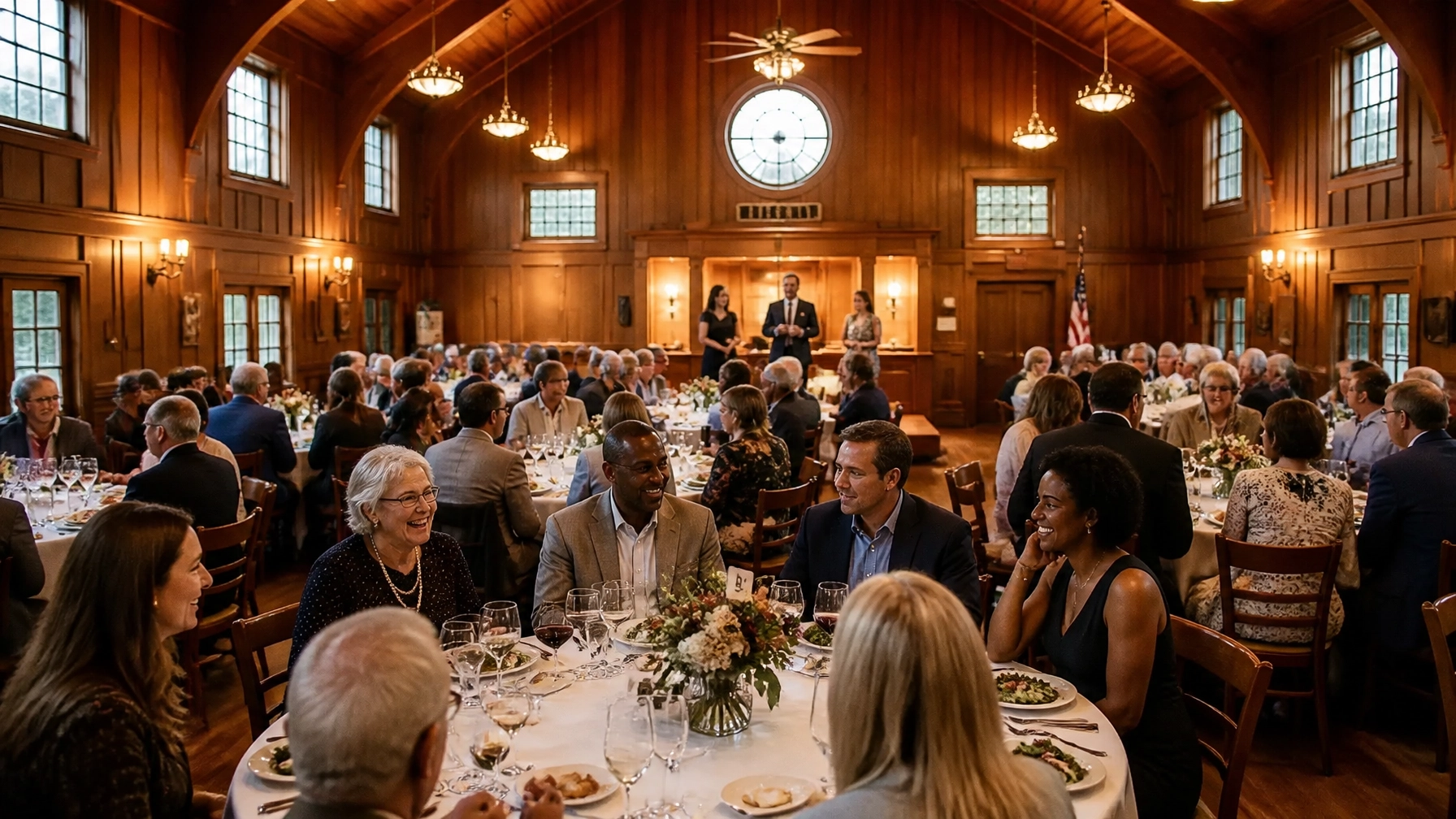
    Overhead view of a Thursday corporate roundtable workshop with attendees reviewing materials

    Step 3: Position Your Venue for Business Outcomes

    Corporate planners are not buying chandeliers, exposed brick, or a beautiful ballroom by themselves. They are buying a better result.

    Your marketing should connect each venue feature to a business need.

    Instead of writing:

    “Our venue has a flexible 300-person ballroom.”

    Write:

    “Move from a 40-person strategy session to a 200-person presentation without sending attendees to a different building.”

    Instead of:

    “We offer high-speed Wi-Fi.”

    Write:

    “Keep remote presenters, shared documents, and live demonstrations running without forcing your team to troubleshoot technology.”

    Your positioning should answer four questions:

    • Can people get there easily?
    • Can they work comfortably for several hours?
    • Can the room support different formats?
    • Will the event look and feel professional?

    Show floor plans for classroom, boardroom, theater, banquet, and breakout layouts. Photograph tables in active use. Highlight parking, accessibility, loading access, climate control, restrooms, catering, and sound management.

    A ballroom can feel corporate. A social club can feel professional. A community center can feel valuable. The difference is the product design and the language you use.

    Step 4: Sell Thursday Before It Becomes “Last-Minute Availability”

    Do not wait until Wednesday to announce that Thursday is open. Corporate events often require internal approvals, attendance confirmation, catering coordination, and purchase orders.

    Promote Thursday inventory at least six to eight weeks ahead for local meetings and three to six months ahead for larger programs.

    Use a weekly marketing rhythm:

    • Monday: Post a LinkedIn or email idea for a Thursday workshop, retreat, or training day.
    • Wednesday: Share a practical venue feature, such as breakout capacity or AV support.
    • Friday: Send a direct offer to local companies with available dates for the next 60 days.

    Use language built around urgency and value:

    • “Three Thursday corporate dates remain this quarter.”
    • “Book a full-day team offsite without paying a hotel-conference premium.”
    • “A professional meeting space with room to work, connect, and stay on schedule.”

    According to Cvent’s 2026 event trends report, 66% of event professionals say AI allows them to spend more time on high-value work. You should apply that same principle to your own marketing. Use AI to create segmented email campaigns, LinkedIn posts, follow-up messages, package descriptions, and prospecting ideas instead of trying to write everything from scratch.

    Venue Builder’s event venue marketing tools are designed to help you create audience-specific campaigns for corporate, community, and social bookings.

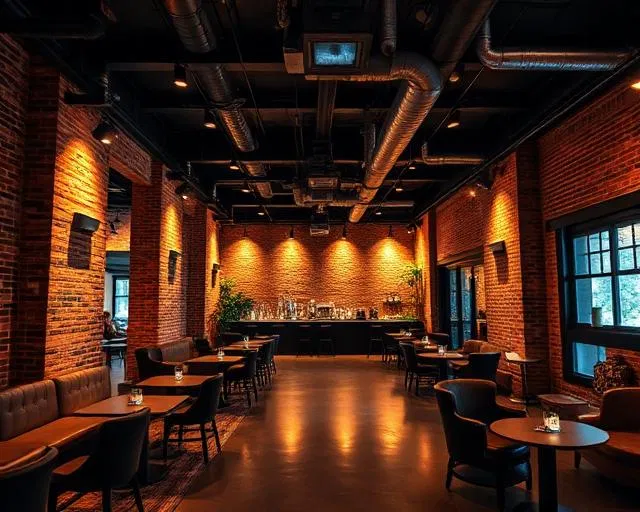
    Overhead view of professionals networking and collaborating during an evening corporate workshop

    Step 5: Follow Up Faster Than Your Competitors

    Corporate planners often compare several venues at once. The first professional response can determine who stays in consideration.

    Respond to every inquiry within 15 minutes during business hours whenever possible. If you need more information, send a short reply immediately:

    “Thanks for reaching out. I can help you design a Thursday meeting package for your group. I’m confirming availability now and will send options based on your headcount, schedule, catering needs, and AV requirements.”

    Then ask:

    1. What is the event objective?
    2. What date range are you considering?
    3. How many attendees are expected?
    4. Do you need breakout rooms?
    5. Will presenters join virtually?
    6. What meals or refreshments are required?
    7. What does success look like for your team?

    Send a concise proposal with:

    • A recommended package
    • Two alternative options
    • A room diagram
    • Included amenities
    • Upgrade pricing
    • Deposit and cancellation terms
    • A clear expiration date for the proposal

    Follow up after 24 hours, three days, and seven days. Your persistence should feel organized, not desperate.

    Your 30-Day Thursday Booking Plan

    Take action this month:

    1. Review the next 90 days of Tuesday–Thursday availability.
    2. Choose five dates to promote aggressively.
    3. Create your three corporate packages.
    4. Build a list of 50 local employers and associations.
    5. Contact 10 prospects per day for one week.
    6. Publish one LinkedIn post and one email campaign each week.
    7. Track inquiries, response times, tours, proposals, bookings, and average revenue.
    8. Adjust pricing after every five completed corporate events.

    Use Venue Builder’s Revenue Builder to generate corporate event concepts that fit your venue, audience, capacity, and operational resources. Then turn the best idea into marketing content instead of leaving it as a note in a spreadsheet.

    Every unbooked Thursday is a decision you have not made yet. You can continue waiting for the perfect weekend inquiry, or you can create a weekday product that solves a real business problem for local companies.

    Start building your next revenue opportunity with Venue Builder.

    Frequently Asked Questions

    Are corporate events really better than weddings for weekday revenue?

    They can be. Corporate bookings often have clearer schedules and multiple revenue opportunities through catering, AV, breakout rooms, and upgraded services. Measure contribution margin rather than comparing rental fees alone.

    Should I discount my Thursday rate?

    Use a strategic weekday rate, but do not position your venue as cheap. Offer stronger value through bundled AV, catering, flexible access, or a reception component. Your goal is to make Thursday easier to approve, not to train buyers to wait for discounts.

    What if my venue does not look like a traditional corporate meeting space?

    That can be an advantage. Companies often want spaces that feel more memorable than a standard hotel conference room. Lead with reliable Wi-Fi, comfortable layouts, professional service, parking, and the ability to support productive interaction.

    Do I need expensive AV equipment to attract corporate clients?

    You need dependable basics before expensive technology. Start with strong Wi-Fi, a reliable display, microphones appropriate for the room, power access, and a clear plan for technical support. Add hybrid-event services as demand justifies the investment.

    How do I get corporate bookings without a large sales team?

    Create a focused offer, build a local prospect list, respond quickly, and use AI to produce consistent outreach and follow-up content. Venue Builder can help you generate corporate marketing campaigns, revenue ideas, and customer-facing copy without requiring a full-time marketing department.

  • How to Get More Venue Bookings Without Paid Ads: The Referral & Vendor Partner Playbook

    How to Get More Venue Bookings Without Paid Ads: The Referral & Vendor Partner Playbook

    Paid ads can generate attention, but they can also create a dangerous habit: paying for every inquiry instead of building a venue business that produces referrals on its own.

    For independent wedding and event venues, the stronger long-term strategy is a referral and vendor-partner system. When planners, caterers, hotels, photographers, business groups, and past clients know exactly who you serve and how to recommend you, your venue becomes part of the local event infrastructure.

    That matters when you need to fill a Tuesday corporate retreat, a Sunday celebration, a community fundraiser, or an open date that is too close to market through traditional wedding channels.

    The objective is simple: create more qualified introductions, respond quickly, and convert referrals into profitable bookings without a large marketing budget.

    Why Referrals Are More Valuable Than Random Leads

    A referral does more than send traffic to your website. It transfers trust.

    When a respected caterer tells a client, “You should tour this venue,” you begin the conversation with credibility. When a hotel recommends your space for a rehearsal dinner or corporate meeting, the prospect already understands that your venue is suitable.

    That trust can improve:

    • Inquiry-to-tour conversion
    • Tour-to-booking conversion
    • Average booking value
    • Repeat and recurring event revenue
    • Your local venue SEO authority through mentions and links

    Your referral system should not focus only on weddings. Weddings may produce higher revenue per booking, but corporate, social, and community events can fill the weekday and off-season inventory that weddings leave behind.

    A venue that depends only on Saturday weddings is not maximizing its calendar.

    Pro Tip: Review your next 90 days of availability. Label every open date as weekday, Friday, Sunday, off-season, short-notice, or cancellation. Then match each date to an event type and referral partner.

    Step 1: Build a Partner Map Around Your Open Dates

    Do not start by asking, “Who can send me business?” Start by asking, “Who already speaks to the people I want to attract?”

    Create four partner categories:

    1. Wedding partners: planners, coordinators, photographers, DJs, florists, bridal shops, and caterers.
    2. Corporate partners: hotels, coworking spaces, chambers of commerce, business coaches, HR consultants, and local employers.
    3. Social-event partners: party rental companies, bakeries, entertainers, family photographers, and community clubs.
    4. Community partners: nonprofits, libraries, schools, municipalities, cultural organizations, alumni groups, and neighborhood associations.

    Build a list of at least 30 potential partners. Rank them by:

    • Number of events they influence each year
    • Fit with your venue capacity and price point
    • Likelihood of needing your open dates
    • Reputation and professionalism
    • Ability to create recurring business

    For example, a hotel may be an excellent source of corporate meetings and family celebrations, while a nonprofit director may bring an annual gala, fundraiser, or volunteer appreciation event.

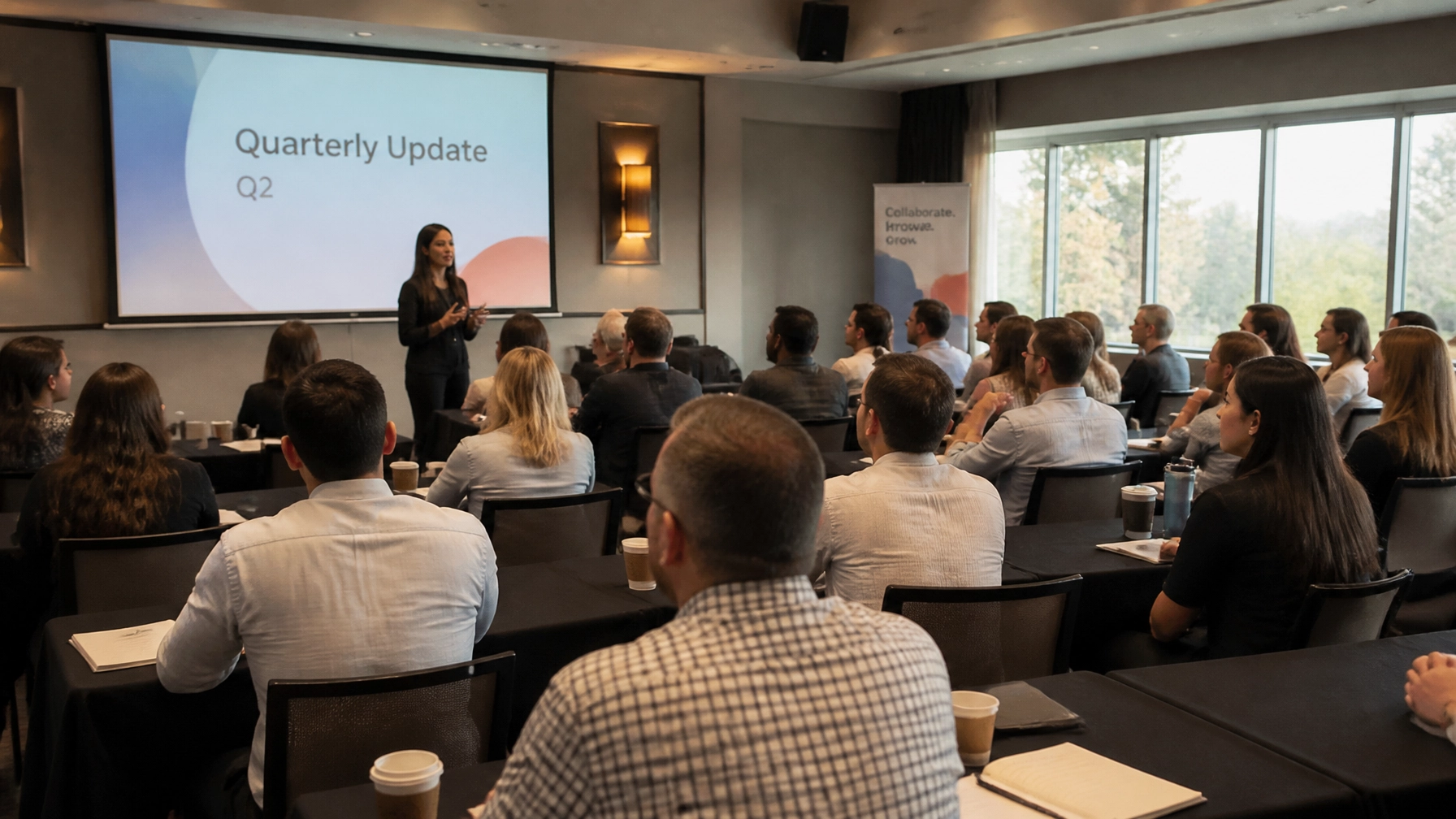
    Overhead photograph of professionals collaborating during a corporate event-planning workshop

    Step 2: Create an Offer Partners Can Explain in One Sentence

    Most referral programs fail because they are vague. Your partners should immediately understand:

    • Who you serve
    • Which dates you want to fill
    • What events fit
    • What the client receives
    • What the partner receives

    Use a simple positioning statement:

    “We help local companies, organizations, and families host polished events for 25 to 200 guests, especially on weekdays, Sundays, and short-notice dates.”

    Then create a one-page partner resource sheet with:

    • Venue capacity and room configurations
    • Parking, accessibility, Wi-Fi, AV, and catering details
    • Event types you want more of
    • Starting prices or package ranges
    • Current open dates
    • A link to inquire or schedule a tour
    • Three to five strong venue photographs
    • Your preferred referral contact

    Make it easy for a partner to forward your information by email or text.

    For compensation, consider:

    • A fixed referral credit after the client signs
    • A venue credit toward the partner’s own event
    • Complimentary upgrades for referred bookings
    • Priority access to preferred vendor opportunities
    • Co-marketing and featured-partner placement

    If you use cash referral fees or revenue sharing, document the arrangement clearly and confirm that it complies with applicable laws, contracts, and industry rules. In many cases, a valuable non-cash benefit is simpler and protects your margins.

    Step 3: Package Open Dates for Corporate, Social, and Community Events

    Partners cannot sell “availability.” They can sell a clear experience.

    Create packages that solve specific customer problems:

    Corporate packages

    • Half-Day Strategy Session: room rental, coffee service, Wi-Fi, basic AV, and lunch coordination
    • Team Retreat Package: full-day access, breakout areas, refreshment stations, and optional team-building partners
    • Holiday or Milestone Party: food-and-beverage coordination, music, lighting, and flexible setup

    Social packages

    • Sunday Celebration Package: four-hour rental, setup window, tables and chairs, and preferred entertainment partners
    • Milestone Party Package: birthday, anniversary, graduation, or retirement gathering with catering and décor add-ons
    • Family Gathering Package: simplified pricing, flexible seating, parking, and kid-friendly options

    Community packages

    • Fundraiser-in-a-Box: room setup, ticketing layout, stage or presentation area, and nonprofit-friendly pricing
    • Workshop Series Package: recurring weekly or monthly access with predictable rates
    • Market or Expo Package: vendor tables, attendee flow planning, and promotional support

    Use tiered pricing rather than discounting everything. For example, price Saturday evenings at your peak rate, Fridays and Sundays at a standard rate, and weekdays at a value rate.

    A package that produces $4,500 on a Tuesday is more valuable than an empty Tuesday. If it requires fewer staff hours and generates repeat bookings, it may also deliver a stronger margin than a larger one-time event.

    For more ways to monetize unused dates, review How Event Venues Increase Revenue and How to Fill Empty Wedding Dates.

    Step 4: Use a Specific Outreach Cadence

    Do not send one email and decide that vendor partnerships do not work. Referral relationships are built through repeated, useful contact.

    Follow this 30-day cadence:

    1. Day 1: Send a personalized introduction tied to the partner’s business.
    2. Day 4: Follow up with your one-page venue resource sheet and two relevant open dates.
    3. Day 10: Invite them to a 20-minute walkthrough or virtual tour.
    4. Day 17: Send one package idea that could help their clients.
    5. Day 30: Ask whether they would like to be added to your monthly availability update.

    Use this message structure:

    “I noticed you coordinate corporate retreats and nonprofit events in the area. We are looking to fill several weekday dates with well-organized gatherings for 30 to 150 guests. I would like to show you our space, share our current packages, and learn what your clients typically need. Are you available for a 20-minute walkthrough next week?”

    After the first month, send a concise partner update once per month. Include:

    • Newly available dates
    • Seasonal packages
    • Recent event examples
    • Operational improvements
    • Vendor recommendations
    • A direct booking or tour link

    Keep the message useful. Do not send a generic newsletter that makes the partner do all the work.

    Overhead view of a nonprofit workshop with attendees organizing a fundraiser around shared tables

    Step 5: Turn Every Referral Into a Fast, Trackable Sales Process

    A referral is wasted if you respond slowly.

    Set a standard that every referral receives:

    • A personal acknowledgment within 15 minutes during business hours whenever possible
    • A booking link for a tour or discovery call
    • A clear answer about availability
    • A relevant package recommendation
    • A follow-up task in your calendar or CRM

    Use this follow-up schedule:

    • Immediately: Confirm receipt and answer the first question.
    • Next business day: Share availability, pricing, and the best-fit package.
    • Three days later: Send a helpful detail, such as a sample floor plan or vendor list.
    • Seven days later: Ask whether they want to schedule a tour.
    • Fourteen days later: Send a final, low-pressure check-in.
    • Monthly: Continue nurturing qualified prospects with relevant open dates.

    Track every inquiry source. Add a required field to your form: “How did you hear about us?”

    Measure each partner by:

    • Referrals sent
    • Tours scheduled
    • Proposals issued
    • Bookings won
    • Revenue generated
    • Average booking value
    • Repeat or recurring event potential

    Then invest more time in the partners producing profitable bookings: not merely the partners who are most enthusiastic.

    Wedding Referral Timing: Plan Before the Rush

    If you market weddings, your referral calendar must account for engagement timing.

    Approximately 16% to 19% of annual engagements occur in December, which makes the weeks after Christmas a critical period for venue recommendations. The national average engagement length is about 15 months, with a common planning band of 11 to 18 months.

    Plan your wedding-partner outreach before the holiday season so planners, bridal shops, photographers, and recently engaged couples have your information ready in January.

    Also account for two important booking patterns:

    • 55% to 65% of Christmas-engaged couples marry in the following calendar year.
    • 35% to 45% of couples choose a two-year planning runway.

    That means your partners should promote both immediate-year availability and future dates. Give them separate talking points for:

    • Friday and Sunday weddings
    • Shoulder-season weddings
    • Micro-weddings
    • Two-year planning dates
    • Short-notice cancellations

    The best wedding venue referral system does not wait for engagement season to begin. It is already active when demand increases.

    Step 6: Use AI to Keep the System Moving

    The difficult part is not understanding referrals. It is consistently producing the emails, package descriptions, social posts, landing-page copy, and availability updates needed to support them.

    Venue Builder helps independent venues generate venue-specific marketing content, revenue ideas, and social campaigns without hiring a large marketing team. Use it to create:

    • A corporate event venue landing page
    • A nonprofit fundraiser package
    • A vendor outreach email
    • A monthly open-date campaign
    • A social campaign for weekday bookings
    • SEO content targeting “event venue near me” and local booking searches

    Explore event venue marketing, wedding venue marketing, or AI marketing for venues to streamline the work.

    Overhead photograph of local business owners networking and reviewing partnership notes in a workshop

    Your 7-Day Implementation Plan

    Start now:

    1. Audit the next 90 days of open dates.
    2. Choose three priority event categories.
    3. Build a list of 30 potential partners.
    4. Create one page of venue facts, packages, and open dates.
    5. Contact five partners each weekday.
    6. Schedule one partner walkthrough or coffee meeting.
    7. Add referral tracking to every inquiry form.

    You do not need hundreds of contacts. You need a reliable network of partners who understand your venue, trust your operations, and know exactly when to recommend you.

    Frequently Asked Questions

    Do referral partnerships really work for small venues?

    Yes. Small venues often benefit because local relationships can create trust faster than broad advertising. Focus on partners who serve your geographic area and ideal guest count.

    Should I pay vendors for referrals?

    You can consider fixed fees, credits, or other incentives, but document the arrangement and confirm compliance with applicable rules. Non-cash benefits are often easier to manage and preserve your margins.

    How many vendor partners should I have?

    Start with 10 active partners across weddings, corporate, social, and community events. Build toward 25 to 30 trusted relationships, but prioritize quality over volume.

    What if I do not have many open dates?

    You can still build partnerships. Promote future availability, recurring event programs, and specific event categories. Strong partners help you create demand before your calendar becomes urgent.

    How do I fill weekday venue dates?

    Target corporate retreats, training sessions, workshops, nonprofit programs, photography rentals, and recurring community events. Create weekday-specific packages instead of simply lowering your standard rental price.

    How often should I contact referral partners?

    Send a useful availability or package update monthly. Schedule a personal conversation or meeting at least once per quarter with your highest-value partners.

    Can Venue Builder help me create referral marketing content?

    Yes. Use Venue Builder to generate outreach emails, package copy, social posts, event concepts, and campaigns tailored to your venue and target audience.

    What is the biggest referral mistake venues make?

    The most common mistake is making the partner do too much work. Give them clear packages, current dates, strong information, and a direct path to schedule a tour or submit an inquiry.

  • Why Your Venue Isn’t Booking (and the 7 Fixes That Work in 30 Days)

    Why Your Venue Isn’t Booking (and the 7 Fixes That Work in 30 Days)

    An open calendar is not always a demand problem. Often, it is a clarity, speed, or sales-process problem.

    Prospects may be searching for your venue right now. But if they cannot quickly understand what you offer, see whether you are available, receive a fast response, or find proof that you deliver a strong event experience, they will move on.

    That lost inquiry becomes lost revenue.

    Use this diagnostic and turnaround playbook to identify the bottleneck, assign ownership, and make measurable improvements within the next 30 days. The focus is practical: corporate meetings, community events, fundraisers, celebrations, networking events, and other social gatherings, not weddings.

    First, Identify Where the Booking Process Is Breaking

    Before changing your logo, lowering your price, or posting more often, review your last 20 inquiries.

    Track:

    • Event type
    • Requested date
    • Number of guests
    • Lead source
    • Response time
    • Whether a tour occurred
    • Whether a proposal was sent
    • Whether the lead booked, stalled, or disappeared

    You are looking for the point where prospects stop moving forward.

    • Few inquiries usually indicate a visibility or positioning problem.
    • Many inquiries but few tours indicate a package, pricing, or response problem.
    • Many tours but few signed contracts indicate a proof, experience, or follow-up problem.

    Once you know the bottleneck, apply the corresponding fix below.


    Fix 1: Make Your Venue’s Positioning Impossible to Misunderstand

    The problem

    “Perfect for any event” sounds flexible, but it is not persuasive. It gives prospects no reason to choose you over another venue.

    A corporate administrator needs different information from a nonprofit planning a fundraiser. A family organizing an anniversary celebration needs different reassurance from a local business hosting a holiday party.

    If your website and listings try to speak to everyone, they often connect with no one.

    The fix

    Choose your three highest-value event categories and position your venue around them.

    For example:

    • Corporate meetings and training sessions
    • Community fundraisers and nonprofit events
    • Social celebrations and milestone parties

    Rewrite your homepage headline, directory listings, social bios, and inquiry templates to state exactly who you serve and why your venue works.

    Use this formula:

    [Venue type] for [primary event types], with [specific operational advantage].

    Example:

    A flexible community event venue for corporate meetings, nonprofit fundraisers, and milestone celebrations, with convenient parking, configurable layouts, and full-service event support.

    Owner responsibility, cadence, and target

    • Owner: Venue owner or general manager
    • Cadence: Review positioning monthly and after every major event category change
    • 30-day target: Update every major public profile and receive at least 10 qualified inquiries that clearly match your chosen event types

    Pro Tip: Do not lead with vague adjectives such as “beautiful” or “unique.” Lead with the event, the guest count, the layout, and the problem you solve.


    Fix 2: Replace Generic Rentals With Packages People Can Understand

    A daytime corporate training session in a flexible small venue with a presenter leading attendees

    The problem

    A blank “Contact us for pricing” message creates work for the buyer. When prospects cannot estimate cost, inclusions, or timing, they often choose the venue that makes the decision easier.

    “Custom packages” are useful later in the sales process. They are weak as your first offer.

    The fix

    Create three or four named packages based on how your customers actually use the space:

    1. Half-Day Business Meeting
    2. Full-Day Workshop or Training
    3. Community Fundraiser
    4. Evening Celebration

    For each package, show:

    • Included room time
    • Guest capacity
    • Table and chair setup
    • AV or presentation equipment
    • Catering or refreshment options
    • Staffing and cleanup expectations
    • Deposit requirements
    • Starting price or typical investment range

    You can still customize. The package simply gives the buyer a clear starting point.

    Review venue listings regularly. Resources such as Tagvenue’s venue management guidance emphasize the importance of accurate amenities, current photos, and clear information for planners comparing locations.

    Owner responsibility, cadence, and target

    • Owner: Owner, manager, or sales lead
    • Cadence: Review packages every 30 days and after each 10 completed events
    • 30-day target: Publish at least three packages and reduce “What exactly is included?” questions by 25%

    Key Strategy: Price the outcome, not just the room. “Eight-hour training package with setup, Wi-Fi, coffee service, and AV support” is more valuable than “room rental.”


    Fix 3: Present Availability Like a Sales Asset

    The problem

    If prospects must send an email just to discover whether you are available, you create friction before the conversation begins.

    An inaccurate or confusing calendar creates a second problem: your team may respond with inconsistent information or overlook dates that could be sold.

    The fix

    Establish one source-of-truth availability calendar for every room, event, hold, setup period, and blackout date.

    Then present availability in a buyer-friendly way:

    • “Saturday availability: October 10 and October 24”
    • “Weekday meeting dates available this month”
    • “Limited December dates remaining”
    • “Book by Friday to secure the current package”

    Do not expose private client information. Show only the dates and booking categories that help a prospect take the next step.

    Your internal calendar should also include setup and teardown windows. A date that looks open for a six-hour event may not be operationally available once staffing and reset time are included.

    Owner responsibility, cadence, and target

    • Owner: General manager or designated calendar administrator
    • Cadence: Update immediately when a hold, proposal, deposit, or cancellation changes status; audit every morning
    • 30-day target: Reach 100% calendar accuracy and respond to availability questions in 15 minutes or less during business hours

    For additional operational guidance, review Perfect Venue’s discussion of double bookings and Event Boss’s venue scheduling recommendations.


    Fix 4: Respond Before the Prospect Contacts Three More Venues

    The problem

    A slow response signals slow service. It also gives competitors time to frame the decision before you enter the conversation.

    Many venue owners answer inquiries when they have time. That is understandable operationally, and expensive commercially.

    The fix

    Set a firm response standard:

    • 15 minutes or less during business hours
    • Two hours or less for inquiries received during evenings
    • A personal response by the next morning for overnight inquiries

    Use templates to accelerate the first reply, but personalize the details. Every response should include:

    1. Confirmation that the date is available or under review
    2. A relevant package
    3. Two or three questions about the event
    4. A clear next step, such as a tour or phone call
    5. A useful link to your event venue information or event venue marketing resources

    Owner responsibility, cadence, and target

    • Owner: Sales lead or assigned inquiry responder
    • Cadence: Check inquiries at least three times daily; review response time every Friday
    • 30-day target: Respond to 90% of qualified inquiries within two hours

    Pro Tip: The first response does not need to answer every question. It needs to prove that you are organized, available, and ready to help.


    Fix 5: Build Follow-Up Into the Process

    The problem

    You send a proposal, wait politely, and assume silence means “no.”

    It usually means the prospect is busy, comparing options, waiting for approval, or uncertain about the next step. If you do not follow up, the venue that stays organized and visible wins.

    The fix

    Use a defined follow-up sequence:

    • Same day: Send the proposal and summarize the recommended package
    • 48 hours later: Ask whether the prospect has questions
    • Five days later: Share a relevant photo, layout, testimonial, or event example
    • Seven days later: Confirm whether the date should remain on hold
    • Fourteen days later: Send a final check-in and invite them to revisit the proposal

    Track every lead as inquiry, tour, proposal, hold, contract, deposit, or lost. Do not rely on memory or scattered email threads.

    Owner responsibility, cadence, and target

    • Owner: Sales lead or venue manager
    • Cadence: Follow up according to the sequence for every open proposal
    • 30-day target: Follow up on 100% of open proposals and increase proposal-to-booking conversion by 10%

    A structured workflow is especially valuable when you have a small team. Planning Pod’s venue negotiation guidance reinforces the importance of clear information and organized decision-making during the booking process.


    Fix 6: Turn Local Relationships Into a Booking Channel

    A lively community fundraiser or nonprofit gathering with guests interacting in a distinct event venue setting

    The problem

    Your venue may be visible online but invisible to the people who influence local event decisions.

    Caterers, hotels, tourism organizations, chambers of commerce, nonprofits, business associations, photographers, AV companies, and event planners can all send qualified business your way. If you never give them a reason to refer you, they will refer someone else.

    The fix

    Create a list of 25 local referral partners. Contact five each week with a useful, specific offer:

    • A preferred partner package
    • A referral arrangement
    • A shared open-date promotion
    • A hosted networking event
    • A venue tour for planners and local businesses
    • A community event calendar collaboration

    Make it easy for partners to explain your venue. Give them a one-page fact sheet with capacity, event types, packages, parking, accessibility, photos, and contact information.

    Cvent also recommends local partnerships and cross-promotions as practical ways for unique venues to grow bookings. Read its local partnership strategies for additional ideas.

    Owner responsibility, cadence, and target

    • Owner: Owner or community partnership manager
    • Cadence: Five new partner contacts per week; one relationship follow-up per weekday
    • 30-day target: Build 10 active referral relationships and generate at least five qualified inquiries through local outreach

    Fix 7: Prove the Guest Experience Before They Take the Risk

    An evening social celebration with guests laughing and toasting at a milestone birthday or anniversary event

    The problem

    Prospects are not only buying square footage. They are buying confidence that their guests will be comfortable, the event will run smoothly, and the venue team will handle problems without creating stress.

    If your website has few current reviews, weak event photos, or no examples of successful corporate, community, and social events, the buyer has to imagine the outcome. Most buyers choose the venue that makes the outcome easier to trust.

    The fix

    Build proof for each priority event category:

    • Add recent photos showing real guests using the space
    • Request a review after every successful event
    • Publish short case studies with guest count, event purpose, setup, and result
    • Show multiple layouts rather than one staged configuration
    • Explain parking, accessibility, load-in, AV, catering, and cleanup
    • Record one short client testimonial each month

    Your proof should answer the practical question: “Will this venue make my event easier?”

    Owner responsibility, cadence, and target

    • Owner: Venue manager or client experience lead
    • Cadence: Request feedback within 48 hours of every event; refresh website proof monthly
    • 30-day target: Collect 10 new reviews or testimonials and publish at least three event-specific case studies

    Your 30-Day Venue Booking Recovery Plan

    Days 1–7: Diagnose and clarify

    • Review the last 20 inquiries
    • Identify the biggest conversion drop-off
    • Choose three priority event categories
    • Rewrite your primary positioning
    • Audit your calendar for accuracy
    • Set your response-time standard

    Days 8–14: Build the offer

    • Publish three clear packages
    • Create a proposal template
    • Add capacity, layouts, amenities, and deposit terms
    • Write response and follow-up templates
    • Add a simple lead-stage tracker

    Days 15–21: Increase local demand

    • Contact 15 referral partners
    • Update local directories and business profiles
    • Publish two open-date promotions
    • Invite planners and organizations for a venue tour
    • Share one corporate, community, or social event example

    Days 22–30: Strengthen proof and measure

    • Request reviews from recent clients
    • Publish three case studies
    • Review every open proposal
    • Calculate conversion rates
    • Remove or revise the weakest package
    • Set next month’s outreach and content targets

    Use Venue Builder’s event venue marketing ideas to turn your chosen event categories and open dates into practical campaigns without adding a full marketing department.


    Venue Booking KPI Scorecard

    Track these numbers weekly:

    KPI 30-day target
    Qualified inquiries Increase by 20%
    Business-hours response time 15 minutes or less
    Inquiry response rate 90% within two hours
    Inquiry-to-tour conversion Establish baseline, then improve 10%
    Proposal follow-up completion 100%
    Proposal-to-booking conversion Improve 10%
    Referral partners contacted 25
    New active referral relationships 10
    New reviews or testimonials 10
    Calendar accuracy 100%

    Technology can help you centralize inquiries, organize follow-up, and produce consistent marketing faster. Venue Builder is designed specifically for venue owners who need practical content, campaign ideas, and revenue-focused marketing support without learning complicated AI tools.

    Frequently Asked Questions

    Why is my venue getting views but no inquiries?

    Your positioning, packages, pricing information, or call to action may be unclear. Add event-specific packages, current photos, capacity details, and a direct “check your date” option. Track whether views increase after each update.

    Should I publish my venue’s prices?

    You do not have to publish every possible price. However, provide a starting range, package examples, or typical investment levels. Giving prospects no pricing context creates unnecessary uncertainty.

    How quickly should a venue respond to an inquiry?

    Aim for 15 minutes or less during business hours and no more than two hours whenever possible. If you cannot respond personally, use an automated confirmation followed by a human reply.

    How many times should I follow up?

    Follow up at least four times over two weeks, using different types of value: clarification, event examples, testimonials, availability updates, and a clear decision point.

    What should I do if I have many open dates?

    Create date-specific offers for your highest-priority event categories. Promote weekday meetings, nonprofit gatherings, business celebrations, and community events according to the dates you need to fill. Do not discount every date automatically; package the value first.

    How do I get more local referrals?

    Start with businesses that already serve event organizers. Contact caterers, planners, hotels, AV companies, chambers, nonprofits, and tourism organizations. Give each partner a simple explanation of your ideal event and a current reason to refer you.

    Are reviews really important for event venues?

    Yes. Reviews reduce perceived risk and help prospects understand the actual guest experience. Ask for feedback within 48 hours, provide a direct review link, and prompt clients to mention communication, setup, staff, and event-day execution.

    Can AI help a small venue fix these problems?

    Yes: when it is used to execute a clear strategy. AI can help you generate event-specific campaigns, write follow-up messages, create package language, and turn open dates into promotions. It should support your judgment, not replace accurate availability, fast service, or strong operations.

    What should I fix first?

    Start with the highest point of friction. If you receive few inquiries, fix positioning and local outreach. If you receive inquiries but few bookings, fix response time, packages, availability, and follow-up. If tours are not converting, strengthen proof and the guest experience.

  • The Event Venue Weekly Revenue Plan: How to Fill Empty Dates Before They Become Lost Revenue

    The Event Venue Weekly Revenue Plan: How to Fill Empty Dates Before They Become Lost Revenue

    An empty date on your venue calendar is not neutral. It is perishable inventory. Once the date passes, you cannot recover the rental revenue, staffing opportunity, catering income, or referrals it could have generated.

    The solution is not to post more randomly or wait for inquiries to arrive. You need a repeatable weekly revenue system that turns calendar gaps into specific sales assignments.

    This plan gives you a Monday-through-Friday operating rhythm for booking corporate, community, and social events: not weddings. Use it every week, assign clear ownership, and measure the results.

    Start With the Calendar, Not With Content

    Your calendar should determine your marketing priorities.

    Begin by reviewing the next 90 days and labeling each date:

    • Green: Confirmed booking
    • Yellow: Tentative hold or active proposal
    • Red: Open date requiring immediate action
    • Priority red: Open date within the next 30 days

    Do not treat every open date the same. A Tuesday afternoon, a Saturday evening, and a holiday week require different offers and different prospects.

    For each open date, record:

    1. Available space
    2. Available hours
    3. Maximum practical capacity
    4. Event types that fit
    5. Minimum profitable price
    6. Staffing and setup requirements
    7. Recommended prospects

    This is the foundation of event venue marketing. Without it, your team may spend hours promoting dates that are already likely to fill while ignoring the inventory most at risk.

    Key Strategy: Every open date must have an owner, a target event type, a package, and a next action.

    Guests attending a community fundraiser dinner in a welcoming event hall

    Monday: Review Occupancy and Assign Revenue Priorities

    Monday is your control-room day. Spend 30 to 45 minutes reviewing the calendar before the week becomes busy.

    Monday responsibilities

    Venue owner or general manager

    • Review all open dates in the next 90 days
    • Identify the five dates with the highest lost-revenue risk
    • Approve pricing floors and special package terms
    • Assign each priority date to a team member

    Sales or booking manager

    • Update every active inquiry
    • Move stale leads into clear categories: follow up, tour, proposal, lost, or nurture
    • Confirm which dates are genuinely available
    • Identify past clients who may need another booking

    Marketing lead

    • Select the week’s featured dates
    • Prepare content topics for Wednesday promotion
    • Gather current photos, testimonials, and package details

    Monday revenue scorecard

    Track these numbers every week:

    • Open dates within 30 days
    • Open dates within 31–90 days
    • Tentative holds expiring soon
    • Qualified inquiries received
    • Average response time
    • Inquiry-to-tour conversion
    • Tour-to-booking conversion
    • Confirmed revenue booked
    • Revenue generated from previously open dates

    If you do not track these metrics, you are managing by emotion. A busy inquiry inbox does not necessarily mean a healthy sales pipeline.

    Tuesday: Prospect Directly and Consistently

    Tuesday is for outbound prospecting. Do not rely exclusively on search traffic, social media, or listing websites. Those channels are useful, but they give you limited control over timing.

    Your objective is to place your open dates in front of organizations that already produce events.

    Weekly outreach targets

    Set a minimum target of:

    • 25 corporate prospects
    • 15 community organizations
    • 10 social-event prospects or local partners
    • 10 past clients or referral contacts

    That is 60 targeted contacts per week. A small venue can complete this in two focused hours if the list is prepared in advance.

    Potential corporate prospects include:

    • Local employers
    • Medical practices
    • Banks and credit unions
    • Sales organizations
    • Professional associations
    • Training companies
    • Real estate offices
    • Nonprofit boards
    • Chambers of commerce

    Community and social prospects include:

    • Fundraising committees
    • Arts and cultural groups
    • Alumni associations
    • Civic organizations
    • Local clubs
    • Fitness and wellness instructors
    • Birthday and anniversary planners
    • Pop-up market organizers
    • Event-producing vendors

    Use a short, specific message

    Do not send a generic “Let us know if you need a venue” email. Lead with the date and the use case.

    Example:

    Subject: A practical venue option for your October team event

    We have Thursday, October 15 available for a 40–80-person meeting, dinner, or employee celebration. The space includes flexible seating, catering coordination, and a simple all-inclusive setup.

    Would it be useful if I sent the package and available time blocks?

    The goal of the first message is not to close the booking. It is to start a relevant conversation.

    Response-time standard

    Set an internal standard of:

    • 15 minutes during staffed hours for a personalized acknowledgment
    • Same day for inquiries received during operating hours
    • Within 12 hours for after-hours inquiries
    • Within 24 hours for a complete proposal or clear pricing outline

    Fast responses matter because planners often contact multiple venues at once. An automated confirmation is helpful, but it does not replace a useful human reply.

    Use Venue Builder’s AI marketing tools to prepare outreach variations quickly while keeping the final message specific to the date, audience, and event type.

    Wednesday: Publish the Offer and Promote the Date

    Wednesday is your public demand-generation day. By now, you know which dates need attention and which audiences to target.

    Do not promote “your beautiful venue” in the abstract. Promote a bookable solution.

    Build three practical package categories

    1. Corporate Meeting Package

    Include:

    • Four- to eight-hour rental block
    • Tables and chairs
    • Basic setup and breakdown
    • Wi-Fi or presentation support, if available
    • Coffee, water, or light refreshments
    • Optional lunch or catering upgrade

    Position this for training sessions, board meetings, planning days, and employee gatherings.

    2. Community Event Package

    Include:

    • Evening or weekend time block
    • Flexible seating
    • Basic event staffing
    • Vendor access
    • Simple catering or concessions coordination
    • Clear cleanup expectations

    Position this for fundraisers, educational programs, networking events, and public gatherings.

    3. Social Celebration Package

    Include:

    • Defined rental window
    • Setup and cleanup options
    • Tables, chairs, and basic furnishings
    • Food and beverage coordination
    • Add-ons such as AV, specialty lighting, or upgraded linens

    Position this for milestone birthdays, anniversaries, retirement parties, reunions, and holiday celebrations.

    Your packages should reduce decision friction. Make the date, capacity, included items, starting price, and call to action obvious.

    Promote across three channels

    Every Wednesday, publish:

    1. One date-specific social post
    2. One email to a segmented list
    3. One website or blog update

    Use a direct call to action:

    • “Request the package”
    • “Check availability”
    • “Schedule a 15-minute call”
    • “Hold this date for 48 hours”

    A venue marketing system should make this process faster, not more complicated. Review Venue Builder’s venue revenue resources for additional ways to turn underused inventory into sellable offers.

    A lively anniversary celebration with guests gathered around dinner tables in an industrial loft venue

    Thursday: Follow Up, Quote, and Conduct Tours

    Thursday is where attention becomes revenue. Every inquiry and proposal from earlier in the week needs a defined next step.

    Thursday follow-up sequence

    For every active lead:

    • Confirm they received the information
    • Ask what decision criteria matter most
    • Offer two tour or call times
    • Restate the best-fit package
    • Address one likely objection
    • Set a decision deadline

    Use a simple pipeline:

    New lead → Qualified → Tour scheduled → Proposal sent → Decision pending → Booked or lost

    Never leave a lead in “thinking about it” without a next date.

    Make tours operational, not merely visual

    A tour should demonstrate how the event will work.

    Show the prospect:

    • Guest arrival and parking flow
    • Registration or check-in location
    • Seating configurations
    • Food and beverage movement
    • Restroom access
    • AV and power locations
    • Vendor load-in procedures
    • Cleanup and exit timing

    Then explain how your team prevents common problems. Your operational confidence is part of the product.

    Pro Tip: End every tour with a specific question: “Would this package and layout work for your event if we can confirm the date and budget?”

    A venue manager reviewing event logistics with a corporate planner during a site tour

    Friday: Retain Clients and Generate Referrals

    Friday is for protecting future revenue. The best weekly sales activity is not always finding a new prospect. It is creating the next booking from someone who already trusts you.

    Friday retention responsibilities

    Contact:

    • Clients who hosted events in the past 30 days
    • Organizations with annual or quarterly programs
    • Clients who requested information but did not book
    • Vendors who regularly influence venue decisions
    • Partners who referred business this year

    Use a helpful reason to reach out:

    • Share new package availability
    • Offer first access to soft dates
    • Suggest a seasonal event format
    • Ask about upcoming meeting cycles
    • Request a review after a successful event
    • Thank a referral partner personally

    For corporate clients, ask directly about recurring needs:

    “Do you hold this meeting quarterly, annually, or as needed? If you already know the next date, we can reserve it while the details are fresh.”

    For happy clients, ask for referrals without being vague:

    “Who else in your organization or network plans events like this? We would appreciate an introduction.”

    Track referrals by source. If you do not know who sends business, you cannot strengthen those relationships.

    The KPIs That Actually Matter

    Review your scorecard every Friday. Focus on leading indicators and financial outcomes.

    Recommended starting targets:

    • 95% of inquiries acknowledged within the response-time standard
    • 60 targeted outbound contacts per week
    • 10 qualified conversations per week
    • 4 tours or sales calls per week
    • 25% inquiry-to-tour conversion
    • 30% tour-to-booking conversion
    • One new repeat-booking conversation per week
    • One new referral-partner conversation per week
    • Reduce priority open dates by 20% in 30 days

    Your targets should improve as you collect your own data. Industry research consistently emphasizes tracking inquiry conversion, booking pace, and revenue per available space hour instead of relying only on occupancy. See this venue revenue management overview for additional context.

    Your 30-Day Implementation Plan

    Week 1: Build visibility

    • Audit the next 90 days
    • Label every open date
    • Set pricing floors
    • Assign a responsible team member to each priority date
    • Create a basic KPI sheet

    Week 2: Build the sales machine

    • Create the three package categories
    • Write response and follow-up templates
    • Build a list of 100 corporate, community, and social prospects
    • Set the 15-minute response standard
    • Begin logging every inquiry outcome

    Week 3: Activate demand

    • Contact at least 60 prospects
    • Publish three date-specific promotions
    • Schedule tours and calls
    • Test one last-minute offer for a priority date
    • Ask recent clients for reviews and referrals

    Week 4: Review and optimize

    • Calculate response-time performance
    • Compare conversion by event type
    • Identify which packages generated conversations
    • Review lost business and stated reasons
    • Remove weak offers and improve strong ones
    • Reserve the next month’s featured dates

    The objective is not to create a complicated system. It is to ensure that every open date receives organized attention before it becomes lost revenue.

    Technology can help you move faster, especially when you need to create targeted content, outreach messages, and event concepts without a large marketing team. Venue Builder is designed specifically for venue operators who need practical marketing support without learning complicated AI tools.

    Frequently Asked Questions

    How far in advance should we start promoting an empty date?

    Start as soon as the date becomes available. Use normal pricing when the date is several months away, then introduce a targeted offer as the date enters the 30- to 60-day window. Do not wait until the week before unless you are intentionally selling a last-minute package.

    Should we discount open dates?

    Discount selectively, not automatically. Protect your minimum profitable price and package value. A better first move is often to add a useful inclusion: such as setup support, AV, or refreshments: rather than reducing the rental rate.

    Who should own the weekly revenue plan?

    One person must be accountable, even if several employees contribute. In a small venue, that may be the owner or general manager. The accountable person reviews the calendar, assigns actions, and reports the KPIs every Friday.

    What if we do not have enough leads to contact?

    Build the list locally. Search for employers, nonprofits, associations, instructors, event vendors, and organizations that host recurring gatherings. Ask current clients and vendors for introductions. Consistent prospecting creates opportunities that passive marketing cannot.

    Can AI manage this process for us?

    AI can help you generate package descriptions, outreach drafts, social posts, follow-up messages, and event ideas. It should support your decisions: not replace your calendar review, pricing judgment, or client relationships. The best results come when you combine AI speed with clear venue-specific standards.

    What is the most important action to take today?

    Open your calendar and identify the five dates most likely to pass unbooked. Assign each one a target audience, a package, an owner, and a deadline. Then contact the first ten prospects before the day ends.

  • How to Fill Empty Venue Dates With Social Clubs and Community Organizations

    How to Fill Empty Venue Dates With Social Clubs and Community Organizations

    Empty dates are not just a scheduling problem. They are lost revenue, unused staff capacity, and missed opportunities to introduce new people to your venue.

    Your wedding calendar may be booked months ahead, but many of the strongest opportunities for filling weekday, Sunday, and off-season dates come from organizations that plan events throughout the year: VFW posts, American Legions, Elks Lodges, Eagles, Rotary clubs, nonprofits, school groups, service organizations, and local hobby clubs.

    These groups do not always need a traditional wedding venue. They need a dependable place for meetings, dinners, fundraisers, ceremonies, workshops, banquets, and community celebrations.

    That distinction matters. You should not market to them with the same package or message you use for engaged couples. You need a community-use strategy built around recurring dates, straightforward pricing, practical amenities, and fast follow-up.

    Start With the Dates You Actually Need to Sell

    Before contacting organizations, identify your venue’s inventory problem.

    Review the next six to twelve months and categorize every open date:

    • Weekday evenings: Ideal for meetings, training sessions, club dinners, and board gatherings
    • Sunday afternoons: Strong for fundraisers, luncheons, family events, and appreciation dinners
    • Friday evenings: Useful for banquets, dances, award ceremonies, and social events
    • Off-season dates: Excellent for annual fundraisers, holiday parties, conferences, and community programs
    • Short-notice dates: Best suited to groups with flexible planning cycles

    Do not simply say, “We have availability.” Build a specific list such as:

    • First and third Tuesday evenings through November
    • Four Sunday afternoons in February
    • Wednesday evenings in January and March
    • Two Friday dates available within the next 45 days

    Specific availability creates urgency and makes it easier for an organization to make a decision.

    Pro Tip: Review open dates every Monday. Your sales team should always know which dates need immediate attention and which can be held for higher-value opportunities.

    You can also use a tiered pricing structure. Protect premium Saturdays, but create attractive community rates for the dates you need to fill. This lets you improve occupancy without training customers to expect discounts on your most valuable inventory.

    Build Packages for Recurring Use

    A social club or nonprofit is more valuable as a calendar relationship than as a one-time booking.

    Create packages that make it easy for an organization to return every month, quarter, or year. Keep the offer simple enough to explain in one email.

    1. Recurring Meeting Package

    Include:

    • Room rental
    • Standard tables and chairs
    • Basic setup and cleanup
    • Wi-Fi
    • Coffee, water, or light refreshments
    • Basic audio-visual support
    • A consistent weekday time block

    Offer a lower rate for a three-, six-, or twelve-month commitment. The organization receives predictable costs, while you gain dependable occupancy.

    2. Community Dinner Package

    This package can serve VFW dinners, American Legion banquets, Elks events, Eagles gatherings, and service-club meals.

    Include:

    • Room access
    • Banquet tables and chairs
    • Buffet or plated meal options
    • Beverage service
    • Simple linens and centerpieces
    • Microphone and speaker access
    • A dedicated event contact

    Consider reducing or waiving the room fee when the group meets a food-and-beverage minimum. You are not giving away the date; you are shifting the value toward revenue-producing services.

    3. Fundraiser Package

    Nonprofits need to raise money, so your offer must help them control costs and create a professional experience.

    Include:

    • Flexible seating for dinner and presentations
    • Registration or check-in area
    • Silent-auction or raffle tables
    • Stage or presentation space
    • Basic AV
    • Vendor access
    • Clear arrival and departure windows

    You can offer favorable pricing for slower dates, but define the terms carefully. A nonprofit rate should still cover labor, utilities, setup, and cleaning.

    4. Annual Celebration Package

    Many organizations hold recurring events such as:

    • Installation dinners
    • Awards banquets
    • Veteran appreciation events
    • Scholarship dinners
    • Holiday parties
    • Volunteer celebrations
    • School or team banquets

    When a group books an annual event, offer priority access to the same date range next year. That small benefit can turn a one-time event into a multi-year relationship.

    Members of a local social club gathered for a weekday meeting and dinner

    Build a Local Organization List

    You do not need a large marketing department. You need a focused list and a consistent process.

    Start by collecting 50 potential organizations within a practical driving radius of your venue. Divide them into categories:

    • VFW posts and American Legions
    • Elks Lodges and Eagles organizations
    • Rotary, Lions, Kiwanis, and service clubs
    • Chambers of commerce and business associations
    • Local nonprofits and charitable foundations
    • School booster clubs and alumni associations
    • Churches and faith-based organizations
    • Youth sports leagues
    • Fire departments and public-service groups
    • Hobby, arts, cultural, and social clubs
    • Hospitals, senior organizations, and community programs

    Use local directories, chamber websites, municipal calendars, Facebook groups, and the IRS Tax Exempt Organization Search to identify legitimate nonprofits and their leadership contacts.

    For each organization, record:

    • Organization name
    • Primary contact
    • Email address
    • Phone number
    • Typical event type
    • Likely booking season
    • Preferred day or time
    • Last contact date
    • Next follow-up date

    This list becomes an asset. You can use it for future availability announcements, fundraiser promotions, and annual rebooking campaigns.

    Outreach Must Be Specific and Useful

    Do not send a generic message saying, “Let us know if you need a venue.”

    Send a short, direct offer that connects your open dates to the organization’s likely needs.

    For example:

    Subject: Weekday meeting and dinner dates for [Organization Name]

    We have several Tuesday and Thursday evenings available this fall that may work well for member meetings, dinners, or committee events. Our community-use package includes the room, standard setup, coffee service, and basic AV. We also offer discounted pricing for organizations booking a recurring series.

    Would a 20-minute walkthrough next week help you compare options?

    Mention the exact dates or recurring time slots you want to fill. Include starting pricing, capacity, parking information, food options, and what is included.

    Your first objective is not to close the booking immediately. It is to secure a conversation, walkthrough, or date hold.

    Key Strategy: Call within one business day of sending the email. Immediate response times improve your chances of reaching the organizer before another venue does.

    Follow up using a clear schedule:

    1. Initial email
    2. Phone call within one business day
    3. Second email three to four days later
    4. Final availability message after seven days
    5. Monthly open-date update thereafter

    Most venue owners stop after one message. That is not persistence; it is an incomplete sales process.

    Make the Venue Easy to Operate

    Community events can become profitable only when they are operationally efficient.

    Standardize the details that tend to consume staff time:

    • Three or four approved room layouts
    • Fixed weekday time blocks
    • Preselected catering menus
    • Standard AV instructions
    • Setup and cleanup responsibilities
    • One-page contracts for recurring events
    • Clear deposit and cancellation policies
    • Defined access times for vendors and volunteers
    • Storage rules for signs, auction items, and supplies

    If a group must negotiate every detail from scratch, you increase friction and reduce your margin.

    Create a recurring-event agreement that explains the full series: dates, payment schedule, setup standards, cancellation terms, food-and-beverage requirements, and the process for changing a date. Give the organization consistency while protecting your business.

    Track the financial performance of every group. Measure:

    • Revenue per booking
    • Food-and-beverage revenue
    • Labor hours
    • Setup and cleanup costs
    • Add-on purchases
    • Repeat-booking rate
    • Referral bookings
    • Contribution margin

    A $1,200 booking that requires excessive labor may be less valuable than an $850 meeting package that repeats twelve times and runs with minimal staff involvement.

    Local nonprofit board workshop in a flexible modern event space

    Turn the First Event Into a Calendar Relationship

    The first booking is the beginning of the sales process, not the end.

    During the event, identify the person responsible for future planning. Ask practical questions:

    • Does your organization hold this event annually?
    • What other events do you host during the year?
    • Do you need a regular meeting location?
    • Which dates are typically difficult to secure?
    • What would make the next event easier to organize?

    Within 48 hours, send a thank-you message with three things:

    1. A brief recap of the event
    2. Any photos or approved promotional content
    3. A proposal for the next date or event series

    Do not wait until next year to ask about renewal. Put the next event on the calendar before the current relationship loses momentum.

    You should also ask for referrals. A VFW commander may know leaders at an American Legion. A nonprofit director may sit on another organization’s board. One successful event can expose your venue to dozens of local decision-makers.

    For more ideas on increasing venue revenue, review Venue Builder’s guide to how event venues increase revenue and its practical event venue marketing ideas.

    Your 30-Day Community Booking Action Plan

    Days 1–5: Find the Inventory

    • List every open weekday, Sunday, Friday, and off-season date
    • Identify your three most underused time periods
    • Calculate your minimum profitable booking price
    • Choose two recurring packages and one fundraiser package

    Days 6–10: Build the Offer

    • Create a one-page PDF or web page for community bookings
    • Photograph one realistic meeting or dinner setup
    • Write your pricing, inclusions, capacity, and policies
    • Prepare a short outreach email and call script

    Days 11–15: Build the List

    • Identify at least 50 local organizations
    • Find a decision-maker for each organization
    • Categorize each prospect by likely event type
    • Add all contacts to a spreadsheet or CRM

    Days 16–22: Start Outreach

    • Contact at least 10 organizations per business day
    • Make follow-up calls within one business day
    • Offer specific open dates, not vague availability
    • Schedule at least five walkthroughs or discovery calls

    Days 23–30: Close and Improve

    • Host a community venue preview or walkthrough evening
    • Send proposals within 24 hours of each conversation
    • Aim to secure three new bookings or one recurring series
    • Ask every active prospect for a referral
    • Review response rates and adjust your offer

    A reasonable initial target is 50 qualified prospects, 10 conversations, five walkthroughs, and three signed bookings in 30 days. Track the numbers. If you contact 50 organizations and generate no conversations, your list or message needs work. If you generate conversations but no tours, your offer is unclear. If you conduct tours but close nothing, review your pricing, policies, and follow-up speed.

    Frequently Asked Questions

    Should I offer discounts to nonprofits and social clubs?

    Offer value-based pricing on dates you need to fill, but do not discount blindly. Tie the rate to a weekday, off-season date, recurring commitment, food-and-beverage minimum, or limited service package.

    What types of events are most profitable?

    The best events are usually repeatable and operationally simple: recurring meetings, member dinners, fundraisers, annual banquets, workshops, and holiday parties. Measure profit after labor and setup costs, not just the rental fee.

    How far should I travel to find organizations?

    Start within a 20- to 30-minute drive of your venue. Local groups value convenience, and nearby organizations are more likely to return regularly or refer neighboring groups.

    How do I compete with a VFW or American Legion’s own building?

    Do not compete only on price. Compete on professionalism, parking, food service, AV, cleanliness, flexible layouts, and the ability to host larger or more polished events.

    Should recurring groups receive the same room every time?

    If your floor plan and calendar allow it, consistency is valuable. A familiar setup reduces questions, speeds service, and makes the organizer’s job easier.

    How quickly should I respond to an inquiry?

    Respond the same business day whenever possible. At a minimum, reply within one business day. Community organizers often compare several venues at once, and slow responses cost bookings.

    Can AI help manage this outreach?

    Yes. AI can help you organize prospect lists, create tailored outreach messages, generate fundraiser package ideas, and build follow-up campaigns. A venue-specific platform such as Venue Builder helps you work through these tasks without requiring you to become an AI expert.

    How do I know whether this strategy is working?

    Track open-date occupancy, inquiry-to-tour conversion, tour-to-booking conversion, average revenue per organization, repeat-booking rate, and contribution margin. Review the results every month and shift attention toward the groups and packages producing the strongest returns.

    Your venue does not need to wait for wedding season to become profitable. Social clubs, nonprofits, and community organizations already have meetings, dinners, fundraisers, and annual events to plan.

    Give them a clear reason to choose your space, make recurring use easy, respond quickly, and ask for the next booking before the first one is over. That is how you turn empty dates into dependable revenue and your venue into a stronger local business.

  • How to Run a More Profitable Event Venue: 7 Operating Systems That Fill Empty Dates

    How to Run a More Profitable Event Venue: 7 Operating Systems That Fill Empty Dates

    An empty date on your venue calendar is not neutral. It is lost revenue that cannot be recovered once the date passes.

    The solution is not to post more randomly on social media or wait for the next large booking. A profitable venue runs on repeatable operating systems: simple processes that tell your team what to do, when to do it, and how to measure whether it is working.

    Your goal is to make better use of the space you already own by attracting the right mix of corporate, community, and social events. That requires more than marketing. You need disciplined calendar management, clear packages, fast sales response, consistent follow-up, smart pricing, strong partnerships, and deliberate retention.

    Here are the seven systems to build.

    1. Calendar and Occupancy Tracking System

    You cannot improve venue utilization if you only look at the calendar when someone asks about a date.

    Create a weekly occupancy report that tracks:

    • Booked dates
    • Tentative holds
    • Open dates
    • Day of week
    • Time of day
    • Event type
    • Revenue per event
    • Revenue per available date

    Separate your calendar into useful categories:

    • Peak: Friday and Saturday evenings
    • Shoulder: Thursday evenings and Sunday afternoons
    • Off-peak: Monday through Wednesday, daytime hours, and seasonal slow periods

    Then calculate your basic utilization rate:

    Booked available dates ÷ total available dates × 100

    Set a 90-day goal for each segment. For example:

    • Increase weekday occupancy from 20% to 35%
    • Book at least four corporate daytime events per month
    • Convert 50% of qualified inquiries into proposals
    • Keep tentative holds under seven days
    • Generate a minimum of $2,000 in revenue per unused weekday slot

    Owner: Venue owner or general manager
    Cadence: Review every Monday
    Target: Every open date should have a documented promotion or outreach action within 48 hours

    Your calendar is an inventory report. Treat it like one.

    For more strategies, review Venue Builder’s guide to how event venues increase revenue.

    2. Clear Event Package System

    If every inquiry requires a custom quote, your team will move slowly and your prospects will become confused.

    Build five to seven packages around the events you want to book: not every possible event. Focus on products that fit your space and help fill underused dates.

    Examples include:

    Corporate packages

    • Half-day team meeting
    • Full-day training session
    • Quarterly off-site
    • Board meeting with lunch and AV

    Community packages

    • Nonprofit fundraiser
    • Club or association meeting
    • School or civic event
    • Public workshop or class

    Social packages

    • Milestone anniversary
    • Birthday dinner
    • Retirement party
    • Holiday gathering

    Each package should specify:

    • Available days and times
    • Maximum guest count
    • Included furniture and staffing
    • AV or technology options
    • Food and beverage choices
    • Setup and cleanup rules
    • Base price
    • Add-ons
    • Deposit and cancellation terms

    Do not hide your value behind a vague “starting at” price. Give prospects enough information to understand the experience and take the next step.

    Owner: Sales manager or designated package owner
    Cadence: Review pricing and margins monthly
    Target: Send a qualified prospect a relevant package within 30 minutes of inquiry

    A package is not just a pricing tool. It is a decision-making tool. It helps the client picture the event and helps your team sell consistently.

    Corporate team meeting in a flexible event venue with professional AV and venue support

    3. Fast Inquiry Response System

    The first venue to respond often becomes the easiest venue to book.

    Your response system must work even when you are setting up a room, handling a guest, or away from your desk. Create an immediate acknowledgment for every inquiry, followed by a personal response from a team member.

    Your initial response should answer four questions:

    1. Is the date available?
    2. Which package fits the event?
    3. What is the next step?
    4. When can the prospect speak with you?

    Use a simple response standard:

    • Automated confirmation immediately
    • Personal response within five minutes during business hours
    • Personal response within 30 minutes during evenings or weekends
    • Follow-up call or text within the same business day

    Track response time in your CRM or inquiry log. Do not rely on memory.

    Your message should be direct:

    “Your Wednesday date is currently available. Based on your 60-person training event, our Half-Day Corporate Package is the best fit. I can send the details now and walk through the room setup at 2:00 p.m. or 4:30 p.m. Which works better?”

    Owner: Whoever is assigned to sales coverage
    Cadence: Every inquiry, every day
    Target: Respond to 90% of inquiries within your defined service standard

    Speed signals competence. When a prospect sees a fast, organized response, they assume the event itself will be handled professionally.

    4. Repeatable Sales Follow-Up System

    Most venues do not lose bookings because the first response was bad. They lose them because follow-up stopped too early.

    Create a follow-up sequence for every qualified lead:

    • Day 0: Response, availability, and package
    • Day 1: Answer likely questions and offer a tour or call
    • Day 3: Share a relevant event example or layout
    • Day 7: Present a clear decision deadline
    • Day 14: Final check-in before moving the lead to nurture
    • Day 30: Reconnect with a seasonal offer or new availability

    Every lead should have a next action and next-action date. “Waiting to hear back” is not a sales process.

    Use separate talking points for each audience:

    • Corporate: reliability, parking, Wi-Fi, AV, food service, invoices, repeat dates
    • Community: accessibility, flexible setup, affordability, local impact
    • Social: atmosphere, convenience, inclusions, guest experience, simple planning

    Measure:

    • Inquiry-to-tour rate
    • Tour-to-proposal rate
    • Proposal-to-booking rate
    • Average response time
    • Days from inquiry to deposit

    Owner: Sales manager
    Cadence: Review pipeline every morning; review conversion every Friday
    Target: No qualified lead goes more than three business days without a documented follow-up

    You can use Venue Builder’s event venue marketing ideas to create audience-specific campaigns instead of sending the same message to everyone.

    5. Weekday and Off-Season Pricing System

    Discounting without a plan weakens your brand and can fill your calendar with unprofitable events.

    Instead, create date-based pricing rules. Protect your premium dates while using incentives to unlock demand when your space would otherwise sit empty.

    Your weekday strategy might include:

    • Lower room rental with a minimum food and beverage spend
    • Complimentary basic AV for corporate bookings
    • Reduced setup fees for daytime events
    • Bundled staffing for community groups
    • A limited “48-hour open date” promotion
    • Multi-date pricing for quarterly meetings or recurring clubs

    Use value-adds before large discounts. A client may respond better to “complimentary coffee service” than to a lower rental price, while your margins remain stronger.

    Set a floor for every booking:

    Direct event costs + staffing + overhead allocation + minimum profit = minimum acceptable revenue

    For example, if an event requires $700 in labor and operating costs and you need $800 in contribution margin, your minimum acceptable revenue is $1,500.

    Owner: Owner and finance lead
    Cadence: Review rates monthly and before each slow season
    Target: Every off-peak booking meets a documented minimum revenue threshold

    Do not sell empty dates cheaply. Sell them intelligently.

    6. Vendor and Community Partnership System

    Partnerships can create demand faster than broad advertising because trusted organizations already have the audience you need.

    Build a partner list of at least 25 local contacts:

    • Chambers of commerce
    • Professional associations
    • Nonprofits
    • Schools and booster clubs
    • Veterans and social organizations
    • Corporate event planners
    • Caterers and food trucks
    • DJs, entertainers, and AV providers
    • Tourism offices
    • Nearby hotels and coworking spaces

    Give partners a specific reason to refer business. Offer:

    • A preferred vendor relationship
    • Co-hosted event packages
    • Referral fees where appropriate and permitted
    • Shared promotional content
    • First access to open-date specials
    • Annual or quarterly booking agreements

    Contact five partners each week. Do not send a generic introduction. Offer a concrete idea:

    “We have three Tuesday evenings open in October. Would your association be interested in a member mixer package with room setup, cash bar, and light appetizers?”

    Owner: Business development lead
    Cadence: Five partner contacts weekly; partner review monthly
    Target: Generate at least 10 qualified referrals or collaboration conversations per quarter

    Community fundraiser and networking event in a welcoming, professionally managed event hall

    7. Post-Event Retention and Referral System

    The event is not finished when the last guest leaves. It is finished when you have captured the next opportunity.

    Within 24 hours, send a thank-you message. Within 72 hours, request feedback. Within seven days, make a relevant next-event offer.

    Ask every client:

    • What worked especially well?
    • What could we improve?
    • What event are you planning next?
    • Who else should know about the venue?

    Create a simple retention database with:

    • Event type
    • Organization or household
    • Event date
    • Guest count
    • Preferred season
    • Decision-maker
    • Next likely booking
    • Referral status

    For corporate and community clients, suggest recurring dates before they leave:

    “Would you like us to place a soft hold on your quarterly meeting dates for next year?”

    For social clients, offer anniversary, birthday, retirement, or holiday-event packages.

    Owner: Event manager or client experience lead
    Cadence: Follow up after every event; review retention monthly
    Target: Ask for a referral from 100% of satisfied clients and secure a future-date conversation with at least 25%

    A strong post-event system turns one booking into a relationship, a referral, or a repeat date.

    Venue manager shaking hands with a satisfied client after a successful social celebration

    Your 30-Day Implementation Plan

    Days 1–7: Establish control

    • Audit the next 90 days of your calendar
    • Identify every open weekday and off-season date
    • Calculate current occupancy by day and event type
    • Assign one owner to sales coverage
    • Document your inquiry response standard

    Days 8–14: Build the offer

    • Create three corporate packages
    • Create two community packages
    • Create two social packages
    • Set minimum revenue thresholds
    • Write response and follow-up templates

    Days 15–21: Activate demand

    • Contact 15 corporate and community organizations
    • Contact five vendors or referral partners
    • Publish promotions for your three most urgent open dates
    • Add every inquiry to one shared pipeline
    • Begin tracking response time and conversion

    Days 22–30: Improve and repeat

    • Review which messages generated replies
    • Remove confusing packages or low-margin offers
    • Follow up with every open lead
    • Ask recent clients for referrals
    • Set the next 30-day outreach schedule

    Use Venue Builder’s Revenue Builder to generate event concepts and promotional angles for dates that are still open. The objective is not to create more busywork. It is to streamline decisions so you can act while the opportunity still exists.

    Frequently Asked Questions

    How far in advance should I promote open dates?

    Promote all open dates, but use different urgency levels. Market corporate and community events 60 to 120 days ahead. Promote short-lead social gatherings and open-date specials 14 to 45 days ahead.

    Should I discount weekday bookings?

    Only when the booking still meets your minimum revenue threshold. Start with value-adds, bundled services, or flexible timing before reducing the room rental rate.

    What if I do not have a full-time sales team?

    Assign clear coverage to one person and use templates, automated acknowledgments, and a shared pipeline. A small team can respond quickly when the process is defined.

    How do I know which event types are most profitable?

    Track revenue, direct costs, labor hours, setup complexity, and repeat potential for every event. The highest-price event is not always the most profitable event.

    Can AI help with these systems?

    Yes. AI can help you generate event ideas, package offers, write outreach, create follow-up messages, and build campaigns for specific audiences. The key is using a venue-focused tool that guides you toward practical actions. Venue Builder is designed to help venue owners market smarter without learning complicated AI software.

    What should I do first?

    Start with your calendar. Identify the next three empty dates that are most likely to sell, assign an owner, create one clear offer for each date, and contact ten relevant prospects this week.

    A profitable venue is not built on occasional bursts of marketing. It is built on operating discipline. Track your inventory, package your value, respond immediately, follow up relentlessly, price with intent, build local demand, and turn every successful event into the next opportunity.

  • How to Turn Empty Weekdays Into Revenue: A 5-Step Event Venue Operating Plan

    How to Turn Empty Weekdays Into Revenue: A 5-Step Event Venue Operating Plan

    An empty Tuesday is not harmless. It is lost revenue, unused staff capacity, and another day your venue is invisible to potential customers.

    Most venues focus heavily on weddings and weekend celebrations. That makes sense, but it also creates a dangerous dependency on a limited number of high-demand dates. Your venue has value on Wednesday morning, Thursday afternoon, and Monday evening. The problem is that weekday customers need a different offer, a different sales process, and a different reason to book.

    Use this five-step operating plan to turn unused weekdays into reliable revenue from corporate meetings, community programs, fundraisers, classes, networking events, and social gatherings.

    Step 1: Analyze Your Calendar Before You Create an Offer

    Do not start by posting, “Weekday discounts available.” Start with your calendar.

    Review the next 90 days and identify:

    • Which weekdays are consistently open
    • Which time blocks are unused: morning, afternoon, or evening
    • Which months have the most availability
    • Which rooms or areas can be rented independently
    • Which dates already have partial bookings
    • Which dates can support short events without disrupting weekend operations

    Create a simple weekday availability report. Divide your calendar into three categories:

    1. Corporate hours: Monday through Friday, 8 a.m. to 5 p.m.
    2. Community hours: Monday through Thursday, 5 p.m. to 9 p.m.
    3. Social hours: Weekday evenings and occasional Friday afternoons

    Then assign a revenue target to each category.

    For example:

    • Corporate bookings: two half-day events per month
    • Community rentals: three recurring evening clients
    • Social events: four weekday celebrations per month
    • Overall goal: increase weekday occupancy by 25% within 90 days

    You cannot manage what you have not measured. Track weekday occupancy separately from weekend occupancy. Also track revenue per available date, not just total bookings. A $1,200 weekday meeting may be more profitable than a $2,500 event that requires extensive setup, staffing, and cleanup.

    Pro Tip: Review your weekday calendar every Monday morning. Keep a running list of your next 10 available weekday dates so your team can recommend specific options immediately.

    Step 2: Stop Selling Bare Room Rental, Create Weekday Packages

    A bare room rental forces customers to build the event themselves. That creates uncertainty, extra questions, and slower decisions.

    Weekday customers usually want convenience. A business needs a meeting-ready space. A community organization needs predictable pricing. A local group wants a reliable place that is easy to use every month.

    Build packages around those needs.

    Corporate Meeting Package

    Include:

    • Half-day or full-day access
    • Tables and chairs in a standard meeting layout
    • Wi-Fi
    • Screen or projector access
    • Coffee, tea, or water service
    • Basic setup and cleanup
    • Optional catering or boxed lunches

    Offer a half-day package for three to four hours and a full-day package for six to eight hours. Make the inclusions obvious. The customer should understand the value without scheduling a phone call.

    Community Organization Package

    Target:

    • Nonprofits
    • Service clubs
    • Professional associations
    • Local boards
    • Book clubs
    • Support groups
    • Arts organizations
    • American Legion, VFW, Elks, and Eagles groups

    Include a fixed two- or three-hour block, standard seating, basic AV, and a simple recurring agreement. Offer the same day and time each week or month at a preferred rate.

    Weekday Social Package

    Use this for:

    • Birthday celebrations
    • Anniversary dinners
    • Retirement parties
    • Graduation events
    • Showers
    • Networking receptions
    • Small fundraisers

    Package the space for a defined guest count and event length. Add simple upgrades such as linens, basic décor, a bar setup, or preferred catering partners.

    Your pricing should protect your margins. Calculate your minimum acceptable price by including:

    • Staff time
    • Utilities
    • Cleaning
    • Setup and teardown
    • Supplies
    • Insurance and administrative costs
    • Desired profit

    Then offer value-based tiers instead of random discounts:

    • Essential: space, tables, chairs, and basic setup
    • Professional: AV, beverage service, and enhanced setup
    • Hosted: catering coordination, dedicated staff, and premium add-ons

    Call them weekday value packages or corporate rates, not desperate discounts. You are creating a more efficient product, not reducing the worth of your venue.

    Classic event hall prepared for a community dinner, fundraiser, or organization meeting

    Step 3: Target Local Organizations With a Specific Sales List

    General promotion is slow. Direct outreach is faster.

    Build a list of at least 50 organizations within a practical driving distance of your venue. Divide the list into four groups:

    Local Businesses

    Contact:

    • Accounting firms
    • Insurance agencies
    • Medical practices
    • Manufacturers
    • Banks
    • Real estate offices
    • Law firms
    • Sales teams
    • Coworking spaces

    Offer meeting, training, planning, and client-event packages. Focus on the problems your venue solves: parking, professional presentation, reliable technology, and a convenient location.

    Community Groups

    Contact:

    • Chambers of commerce
    • Rotary clubs
    • Lions Clubs
    • Neighborhood associations
    • Parent organizations
    • Historical societies
    • Veterans’ groups
    • Civic committees

    These organizations often need space repeatedly. Your objective is not one booking. Your objective is a predictable Wednesday or Thursday slot for the next six months.

    Nonprofits and Fundraisers

    Create a clear offer for board meetings, donor events, silent auctions, volunteer gatherings, and fundraising dinners. Consider offering a small benefit for charitable organizations while protecting your costs.

    For example, provide complimentary basic AV or include a venue social media feature. Do not automatically waive the rental fee. Your staff and facility still carry real costs.

    Activity and Class Providers

    Approach:

    • Yoga instructors
    • Dance teachers
    • Art instructors
    • Cooking instructors
    • Fitness coaches
    • Workshop leaders
    • Networking hosts

    Offer a recurring weekly rental agreement. A recurring client using the venue every Tuesday evening may be more valuable than a one-time event that requires a large sales effort.

    Send a short, direct message:

    “We have several weekday dates available for meetings, classes, and community events. Our new weekday packages include setup, tables, chairs, and optional AV. Would a Tuesday evening or Thursday morning be useful for your organization this season?”

    Give prospects two specific dates. Specificity creates movement.

    Step 4: Convert the First Booking Into a Recurring Relationship

    The first event is the audition. Your operating goal is to make the second booking easy.

    Before the event ends, ask three questions:

    1. “What worked well for your group today?”
    2. “What would make the next event easier?”
    3. “When do you typically schedule your next meeting or gathering?”

    Use the answers to improve the package and begin the rebooking conversation.

    For corporate clients, offer a quarterly booking option. For community groups, offer a six-month or annual agreement. For class providers, offer a fixed weekly time slot with clear cancellation rules.

    A recurring agreement may include:

    • Priority access to the same date and time
    • A preferred rate for multiple bookings
    • Limited storage
    • Consistent room setup
    • Promotion through your venue channels
    • Simplified invoicing

    You can offer a 10% to 15% incentive for a multi-event commitment if the agreement improves predictability and reduces your sales workload. The discount should purchase something valuable for you: volume, advance payment, or a longer commitment.

    Elegant ballroom setup suitable for a professional meeting, gala, or weekday corporate event

    Step 5: Follow Up Systematically and Measure Every Result

    Most venues lose repeat business because follow-up depends on memory.

    Create a fixed process:

    Within 24 Hours

    Send a thank-you message. Confirm that the event went well and invite honest feedback. If appropriate, request permission to use photos or a testimonial.

    Within Three Days

    Ask for a Google review or testimonial. Reviews that mention smooth weekday meetings, helpful staff, easy parking, or flexible packages will attract similar customers.

    Within Two Weeks

    Send a rebooking message with three available dates. Use language such as:

    “You mentioned your next planning session may be in November. We currently have Tuesday, November 10, and Thursday, November 19 available. Would you like me to hold one for your team?”

    Every Quarter

    Contact past weekday clients with a short availability update. Align outreach with planning periods such as January, April, July, and October.

    Track these core metrics:

    • Weekday occupancy rate: booked weekday dates divided by available weekday dates
    • Average weekday revenue: total weekday revenue divided by weekday events
    • Lead-to-booking conversion: weekday bookings divided by weekday inquiries
    • Response time: average time from inquiry to first reply
    • Repeat booking rate: weekday clients who book again
    • Revenue by event type: corporate, community, social, and recurring rentals

    Set a response-time target of 15 minutes during business hours. Fast replies matter because weekday customers often compare several venues at once.

    Use a spreadsheet, booking system, or a venue-specific marketing tool such as Venue Builder’s venue revenue builder to organize ideas, offers, and follow-up campaigns.

    Your 30-Day Weekday Revenue Action Plan

    Days 1–7: Audit and Build

    • Review 90 days of availability
    • Identify your 10 best weekday opportunities
    • Calculate your minimum profitable rental rate
    • Choose three target customer segments
    • Build one corporate, one community, and one social package

    Goal: Publish three clear weekday offers by the end of the first week.

    Days 8–14: Prepare Your Sales Materials

    • Create a weekday page on your website
    • Add package inclusions and starting prices
    • Photograph or professionally present your meeting and event setups
    • Build a list of 50 local organizations
    • Prepare one email template and one phone script

    Goal: Have 50 qualified prospects and a complete outreach system.

    Days 15–21: Launch Direct Outreach

    • Contact 10 organizations per business day
    • Follow up with every nonresponsive prospect after three days
    • Contact local caterers, facilitators, instructors, and chambers of commerce
    • Promote two specific open weekday dates each week
    • Respond to every inquiry within 15 minutes during business hours

    Goal: Generate at least 20 qualified weekday inquiries and five site visits or calls.

    Days 22–30: Close and Improve

    • Present recurring agreements to every qualified prospect
    • Ask current clients for referrals
    • Review inquiry sources and conversion rates
    • Remove confusing package options
    • Adjust pricing or inclusions based on objections
    • Schedule your next 30 days of outreach

    Goal: Book at least three weekday events and secure one recurring client.

    Then repeat the process monthly. Empty dates rarely disappear through passive advertising. They disappear when you build a useful offer, contact the right organizations, respond quickly, and follow up with discipline.

    Frequently Asked Questions

    Should I offer lower weekday prices?

    Yes, but do it strategically. Use weekday packages and tiered pricing rather than broad, permanent discounts. Tie any reduced rate to shorter hours, limited inclusions, advance payment, or a recurring commitment.

    What weekday events are easiest to sell?

    Corporate meetings, training sessions, nonprofit gatherings, classes, networking events, fundraisers, and small social celebrations are strong starting points. Choose the categories that match your location, capacity, parking, technology, and staffing model.

    How can I compete with coworking spaces?

    Do not compete only on price. Emphasize your advantages: atmosphere, privacy, parking, flexible layouts, catering, event support, and the ability to host a complete experience under one roof.

    What if I do not have AV equipment?

    Start with the essentials. Reliable Wi-Fi, a screen, a projector, extension cords, and a simple microphone can make your venue more useful. If you cannot provide equipment, build partnerships with local AV providers and include the option in your packages.

    How do I attract recurring community events?

    Offer a consistent day and time, simple pricing, easy setup, and a straightforward agreement. Visit local organizations in person when practical. Community relationships are built faster when people can meet the venue operator and experience the space.

    Should I use AI to market weekday packages?

    Yes. Use AI to generate outreach ideas, package descriptions, email campaigns, social posts, event concepts, and follow-up messages. The key is to use a tool designed for venue marketing, such as Venue Builder, so the recommendations reflect your space and customer types.

    How long should I test a weekday package?

    Run each package for at least 30 days before making major changes. Track inquiries, conversions, revenue, staffing effort, and repeat potential. Keep what produces profitable bookings and eliminate what creates activity without results.

    What is the most important first step?

    Open your calendar and identify the exact weekday dates you need to fill. Then create an offer designed for a specific buyer. A clear package for a real customer will outperform a generic “space available” message every time.

  • From Booking to Repeat: How to Turn First-Time Renters Into Long-Term Venue Clients

    From Booking to Repeat: How to Turn First-Time Renters Into Long-Term Venue Clients

    A one-time booking is useful. A repeat client is an asset.

    When a company books your venue for a quarterly meeting, a community organization returns for its annual fundraiser, or a family comes back for another milestone celebration, you gain more than another rental fee. You gain predictable revenue, lower marketing costs, stronger referrals, and a client who already trusts your operation.

    The problem is that many venues treat the relationship as finished when the event ends. They send an invoice, clean the room, and wait for the next inquiry. That approach leaves repeat revenue to chance.

    You need a deliberate system that moves clients from first booking to second event, then from the second event to an ongoing relationship. Here is how to build it.

    Why Repeat Venue Clients Matter More Than One-Time Bookings

    Every new booking requires marketing, sales conversations, tours, proposals, and administrative work. A returning client already understands your space, policies, pricing structure, and team. That reduces friction for everyone.

    Repeat clients also help you fill the dates that are hardest to sell:

    • Corporate clients can book weekday meetings, trainings, retreats, and holiday parties.
    • Social clients can return for birthdays, anniversaries, graduation parties, and retirement celebrations.
    • Community organizations can create recurring revenue through monthly meetings, annual fundraisers, and seasonal programs.

    The result is a healthier calendar that does not depend entirely on peak Saturdays.

    Your first goal should not be “get every client to book again.” Your goal is to identify which clients have a natural recurring need and create a clear reason for them to return.

    Key Strategy: After every event, ask, “What event will this client need next, and when will they begin planning it?”

    1. Design the First Booking for the Next Booking

    Retention begins before the first event takes place. The way you communicate during the sales process shapes how clients evaluate your professionalism.

    One venue retention guide reports that responsiveness influences 78% of a client’s perceived service quality and that replying within two hours can significantly improve conversion and retention outcomes. Treat those figures as benchmarks, not guarantees: but take the operational lesson seriously: slow communication costs revenue.

    Set a service standard:

    1. Send an immediate confirmation when an inquiry arrives.
    2. Provide a complete response within one to two business hours whenever possible.
    3. Assign one primary contact who owns the relationship.
    4. Explain next steps clearly, including the tour, proposal, deposit, contract, and planning timeline.
    5. Answer predictable questions upfront about parking, AV, catering, setup, cleanup, accessibility, and vendor access.

    Do not make clients repeatedly ask for information your team already knows they will need. Anticipating questions positions you as a capable partner: not merely a room rental provider.

    For corporate clients, emphasize reliability, technology, capacity, and schedule control. For social clients, emphasize flexibility, atmosphere, and ease. For community organizations, highlight value, accessibility, and the ability to support recurring programs.

    2. Create a Memorable, Low-Stress Event Experience

    Clients rarely remember every detail of the booking process. They remember whether the event felt easy or chaotic.

    Your team should use the first event to demonstrate three things:

    • You are organized.
    • You solve problems quickly.
    • You understand the client’s goals.

    Create a simple event experience checklist:

    • Confirm the final timeline seven days before the event.
    • Verify the room layout and equipment requirements.
    • Send parking, load-in, access, and arrival instructions.
    • Identify one staff member as the on-site decision-maker.
    • Conduct a final walkthrough before guests arrive.
    • Debrief your team immediately after the event.

    When something goes wrong, acknowledge it quickly and provide a concrete solution. A delayed vendor, missing piece of equipment, or room adjustment does not have to end the relationship. Poor communication does.

    Pro Tip: Keep a client preference record. Note the preferred layout, vendors, refreshments, timing, pain points, and successful details. When that client returns, use the information to make the second event feel even more personalized.

    3. Follow Up Before the Relationship Goes Cold

    The days immediately after an event are when your service is still fresh in the client’s mind. Do not wait three weeks to send a generic “thank you.”

    Use this post-event sequence:

    Day 1: Send a Personal Thank-You

    Thank the client by name. Mention the specific event and one detail that made it successful.

    For example:

    “Thank you for hosting your leadership retreat with us yesterday. Your team’s session in the north room and the afternoon breakout format worked especially well.”

    This feels more intentional than an automated receipt.

    Days 3–5: Request Feedback

    Send a short survey with three to five questions:

    • What worked especially well?
    • What could we improve?
    • Was the setup right for your event?
    • Would you consider returning?
    • What type of event might you host next?

    Keep the survey short. Your objective is to gather useful information and open a conversation: not create homework.

    Days 5–7: Share Helpful Content

    Send photos, a recap, a vendor recommendation, or a planning resource when appropriate. If you hosted a corporate meeting, share ideas for future team events. If you hosted a fundraiser, suggest dates for next year. If you hosted a milestone celebration, mention other event formats your venue can support.

    Within 30 Days: Invite the Next Conversation

    Do not ask vaguely, “Let us know if you need anything.” Give the client a relevant next step:

    • “Would you like us to hold the same month next year?”
    • “Should we send options for your next quarterly meeting?”
    • “Would a recurring monthly date help your organization?”
    • “Would you like to review our weekday event packages?”

    Research from Event Temple also emphasizes timely follow-up, debriefs, and identifying future opportunities while the event experience is still recent.

    Community organization hosting a recurring awards or fundraiser dinner with a podium, recognition activity, and local attendees

    4. Package Repeat Business Around Their Calendar

    A discount alone will not create loyalty. A relevant offer will.

    Build packages that match recurring client needs:

    Corporate Packages

    Offer quarterly meeting bundles, annual planning sessions, employee appreciation events, or holiday party packages. Include practical upgrades such as AV, coffee service, breakout rooms, or early access.

    Social Packages

    Create returning-client packages for milestone birthdays, retirement celebrations, graduation parties, and anniversary gatherings. Offer flexible add-ons rather than forcing every client into the same package.

    Community Packages

    Develop monthly meeting rates, annual fundraiser agreements, nonprofit booking blocks, or seasonal event packages. A small incentive for committing to multiple dates can be more valuable than a large discount on one rental.

    Consider offering:

    • Priority access to popular dates
    • Locked-in pricing for a defined period
    • Complimentary setup upgrades
    • Discounted add-ons
    • Free planning consultations
    • A credit toward the next booking

    Make the offer specific and time-bound. “Returning clients receive priority access to next year’s dates when they rebook within 30 days” is stronger than “We offer special pricing for repeat customers.”

    5. Stay Visible Between Bookings

    A client cannot rebook a venue they have forgotten.

    Send past clients useful, relevant communication at least once per quarter. Your email can include:

    • Newly available weekday dates
    • Seasonal promotions
    • New equipment or amenities
    • Recent event photos
    • Recurring event ideas
    • Planning deadlines
    • Client success stories
    • Early access to high-demand dates

    Segment your list by event type. A corporate planner should not receive the same message as a family planning a graduation party. Your event venue marketing ideas should support different audiences, dates, and revenue goals.

    Use a simple database if you do not have a CRM. Track the client’s name, organization, event type, date, booking value, contact information, feedback, and likely next event. A spreadsheet is better than relying on memory.

    6. Turn Satisfied Clients Into Referral Partners

    A satisfied client is not automatically a referral source. You need to make referrals easy.

    After receiving positive feedback, ask directly:

    “We are glad the event went well. Do you know another organization or event host who may need a dependable venue?”

    You can also create a simple referral program:

    • Give the referring client a venue credit.
    • Offer the new client a modest booking incentive.
    • Provide an upgrade instead of reducing the rental rate.
    • Track which clients and partners generate qualified leads.

    Potential referral partners include caterers, AV companies, photographers, nonprofit leaders, chambers of commerce, corporate HR teams, meeting planners, and social clubs.

    The best referral request comes immediately after the client has expressed satisfaction: not months later.

    7. Use Technology to Make Retention Consistent

    Retention fails when it depends on someone remembering to send an email or make a phone call.

    Use technology to streamline the process:

    • Set automatic inquiry confirmations.
    • Schedule post-event thank-you emails.
    • Create reminders for annual or quarterly events.
    • Maintain client histories in one place.
    • Segment contacts by audience and event type.
    • Track repeat booking and referral activity.
    • Generate follow-up copy and promotional campaigns quickly.

    Venue Builder is designed specifically for event venues. Its venue marketing software helps you create revenue ideas, email copy, and social campaigns based on your venue, audience, and calendar goals. You can use it to develop a quarterly-client campaign, promote weekday packages, or create a rebooking offer without starting from a blank page.

    Social celebration at a venue such as an anniversary or milestone birthday with tasteful non-wedding décor

    8. Measure Whether Clients Are Actually Returning

    You cannot improve retention without tracking it.

    Review these metrics monthly:

    • Repeat booking rate: Percentage of first-time clients who book again within 12 months.
    • Time to second booking: How long it takes a client to return.
    • Client lifetime value: Total revenue generated by each client over time.
    • Average booking value: Whether repeat clients purchase more services or upgrades.
    • Referral rate: Percentage of new inquiries from past clients and partners.
    • Response time: How quickly your team responds to inquiries and follow-ups.
    • Calendar utilization: How many weekday, evening, and off-season dates are filled.

    Start with one target: increase your repeat booking rate by 10% over the next six months. Then review which follow-up messages, packages, and client segments produce results.

    Corporate team returning to a venue for a quarterly meeting with a presenter, screen, notebooks, and classroom seating

    Your 30-Day Repeat-Client Action Plan

    Implement this system immediately:

    Week 1: Export your past 12 months of clients and segment them into corporate, social, and community categories.

    Week 2: Send a personal re-engagement message to every satisfied client. Mention relevant future events and available dates.

    Week 3: Create one repeat-booking package for each major audience you serve.

    Week 4: Build your follow-up checklist, assign ownership to your team, and schedule quarterly outreach.

    Do not wait until your calendar looks empty. By then, your best clients may already be booking somewhere else.

    A first-time renter becomes a long-term client when you consistently make the next booking easier, more valuable, and more dependable than the first. Build that expectation into your sales process, event operations, follow-up, and marketing. That is how you convert one-time revenue into a stronger, more predictable venue business.

    Start building your next revenue strategy with Venue Builder.

    Frequently Asked Questions

    How soon should I follow up after an event?

    Send a personal thank-you within 24 hours. Request feedback within three to five days, then invite the client to discuss a future booking within 30 days.

    What is the best incentive for repeat venue clients?

    Priority access, locked-in pricing, complimentary upgrades, and venue credits often protect your margins better than large discounts. Match the incentive to the client’s likely next event.

    How do I get corporate clients to book recurring events?

    Ask about their annual calendar during the first planning conversation. Offer quarterly meeting packages, annual booking agreements, or priority date holds that simplify future planning.

    How can community organizations become long-term clients?

    Offer recurring rates, flexible scheduling, and annual contracts for meetings, fundraisers, classes, and seasonal programs. Make it easy for them to reserve multiple dates at once.

    Should I use email marketing for past venue clients?

    Yes. A quarterly email keeps your venue top of mind and gives past clients a reason to return. Segment messages by corporate, social, and community audiences for better relevance.

    What should I do if a client had a poor experience?

    Acknowledge the problem quickly, listen without becoming defensive, offer a concrete resolution, and follow up after the issue is fixed. Then update your internal process so the same problem does not happen again.

    How do I track repeat bookings without expensive software?

    Start with a spreadsheet containing the client’s contact information, event type, booking date, revenue, feedback, next likely event, and follow-up dates. Upgrade to specialized software as your database grows.

    Can AI help me retain venue clients?

    Yes. AI can help you segment audiences, write personalized follow-up emails, generate rebooking campaigns, develop recurring event packages, and promote open dates. The best results come when AI supports a consistent human-led client experience.

    What should I measure first?

    Track repeat booking rate, average response time, and revenue from returning clients. These three metrics quickly show whether your retention system is creating measurable value.

  • Small Venue, Big Revenue: Marketing Tactics That Don’t Require a Big Budget

    Small Venue, Big Revenue: Marketing Tactics That Don’t Require a Big Budget

    A small venue does not need a large advertising budget to generate more revenue. It needs a focused offer, strong local relationships, consistent follow-up, and disciplined weekly execution.

    Your biggest marketing problem is rarely a lack of opportunity. It is usually a lack of time and a lack of process. You are managing inquiries, coordinating vendors, maintaining the property, preparing events, and handling invoices. Marketing gets pushed aside until the calendar looks too empty to ignore.

    That delay is expensive. Every unbooked Friday, weekday, or off-season weekend represents revenue you cannot recover later.

    The solution is not to “do more marketing.” The solution is to prioritize the few activities most likely to create qualified inquiries and repeat bookings.

    Use the following system to fill more dates without hiring a large marketing team or spending heavily on ads.

    Start With Your Revenue Priorities

    Before you post anything, identify the dates and event types you need to sell.

    Review your next 90 days and divide your availability into three categories:

    1. Prime dates: Saturday evenings and high-demand seasonal dates.
    2. Sellable dates: Fridays, Sundays, weekday evenings, and shoulder-season weekends.
    3. At-risk dates: Dates within 60–90 days that have no inquiry activity.

    Your marketing should focus first on at-risk dates. Do not promote your venue broadly while ignoring the specific dates that are costing you money.

    For each open date, define:

    • The event type you want to book
    • The maximum guest count
    • The minimum acceptable revenue
    • The package or incentive you will offer
    • The call to action, such as “Schedule a tour” or “Request the open-date package”

    A specific offer converts better than a general message such as “Book your next event with us.”

    Pro Tip: Set a weekly target of at least five qualified inquiries, three tours, or one signed booking, depending on your current conversion rates. Track the number every week. What gets measured gets managed.

    1. Build Local Partnerships That Produce Referrals

    Your local network is one of the most valuable marketing assets you already have. You do not need to buy access to someone else’s audience if you build mutually beneficial relationships with people who already serve your ideal clients.

    Prioritize partners who influence event decisions:

    • Caterers
    • DJs and musicians
    • Photographers and videographers
    • Florists and decorators
    • Event planners
    • Hotels and bed-and-breakfasts
    • Restaurants and breweries
    • Chambers of commerce
    • Nonprofits and community organizations
    • Corporate event planners and human resource managers

    Contact five potential partners every week. Do not send a generic introduction. Offer a specific reason to work together.

    For example:

    • Create a preferred vendor list and feature their business on your website.
    • Offer to photograph and promote their work after events held at your venue.
    • Build a shared package for birthdays, corporate gatherings, or fundraisers.
    • Give hotel guests a venue tour and provide the hotel with a referral incentive.
    • Offer local businesses a recurring meeting or team-event package.
    • Co-host an open house or networking event.

    A referral agreement does not always need to involve cash. You can offer venue credit, preferred dates, promotional exposure, complimentary upgrades, or reciprocal referrals.

    Track every referral in a simple spreadsheet. Record the partner, lead date, event type, booking status, and revenue. Your goal should be to generate 25% or more of new inquiries from referrals and partnerships over time.

    2. Turn Past Clients Into a Referral Network

    Your previous clients are not finished customers. They are future referral sources and potential repeat bookers.

    Within seven days after every event, send a follow-up message that includes:

    1. A sincere thank-you
    2. A review request
    3. A referral invitation
    4. An offer for a future event
    5. A link to your preferred contact method

    Make the referral offer easy to understand:

    “Refer a confirmed event to us and receive a $250 venue credit or a complimentary upgrade toward your next booking.”

    You can also create a “friends and family” offer for past clients. A birthday client may know someone planning a graduation party. A corporate contact may also manage holiday parties, training sessions, or client appreciation events.

    Do not assume satisfied clients will remember to refer you. Prompt them at the moment when the experience is still fresh.

    3. Use Email to Sell Specific Dates

    Social media creates awareness. Email creates follow-up and action.

    Build your list from:

    • Inquiry forms
    • Tour registrations
    • Past clients
    • Event attendees
    • Vendor partners
    • Community events
    • QR codes placed around your venue

    Segment the list by audience. At minimum, create separate groups for:

    • Weddings
    • Corporate events
    • Private celebrations
    • Community organizations
    • Past clients
    • Vendors and referral partners

    Send one useful email every month to each relevant segment. Increase the frequency when you are promoting an at-risk date.

    A strong open-date email should include:

    • The exact date
    • The intended event type
    • What is included
    • The price or starting price
    • One compelling photo
    • A deadline or limited-availability message
    • One clear call to action

    Example:

    Friday, November 13 is open for a private celebration.
    Host up to 75 guests with tables, chairs, setup, cleanup, and basic AV included for $X. Schedule a tour this week to claim the date.

    Do not send five different calls to action. Ask the reader to do one thing.

    Email campaigns can also nurture leads who are not ready to book. Send a short sequence that answers common questions, shows different room layouts, shares testimonials, and explains your booking process. Aim to respond to every new inquiry within five minutes during business hours whenever possible.

    Bright realistic editorial photo of an outdoor community fundraiser on a small venue patio with a registration table, nonprofit volunteer, silent-auction display, casual attendees, signage, and the venue building in the background

    4. Win Local Search With Your Google Business Profile

    Your Google Business Profile is a free sales asset. Treat it like a storefront, not a directory listing.

    Update it every week with:

    • New event photos
    • Different room layouts
    • Non-wedding event setups
    • Seasonal availability
    • Special packages
    • Short updates about upcoming events
    • Answers to common customer questions

    Use accurate categories and describe your services clearly. If you host birthday parties, meetings, fundraisers, graduation events, and weddings, show those uses in your photos and updates.

    Request a Google review after every successful event. Give clients a direct link and ask them to mention the event type and city naturally in their review. Respond to every review within 48 hours, including negative reviews.

    Upload at least 20–30 strong images that show the venue in action. Empty-room photos are useful, but completed setups help prospects imagine their own event.

    Your profile should make three things obvious:

    1. What types of events you host
    2. Where you are located
    3. How someone can schedule a tour or request availability

    For more local visibility tactics, review these event venue marketing ideas.

    5. Make Organic Social Media a Sales System

    You do not need to post constantly. You need to post consistently and connect every post to a booking opportunity.

    Publish three to five times per week using four content categories:

    • Proof: Event recaps, testimonials, guest reactions, and finished setups
    • Possibility: Show how the same room works for weddings, meetings, showers, parties, and fundraisers
    • People: Feature staff, partners, vendors, hosts, and local organizations
    • Promotion: Open dates, packages, seasonal offers, and tour invitations

    Use short videos whenever possible. A 20-second walkthrough, room flip, setup time-lapse, or behind-the-scenes clip can demonstrate more value than a polished graphic.

    Tag partners and clients when you have permission. Make your content easy to reshare. One post can reach several local audiences when a caterer, DJ, photographer, and host all share it.

    Bright realistic editorial photo of an outdoor community fundraiser on a small venue patio with a registration table, nonprofit volunteer, silent-auction display, casual attendees, signage, and the venue building in the background

    Your weekly content target should be:

    • Two proof posts
    • One venue-use or setup post
    • One partner or community post
    • One direct availability or package post

    Do not wait for perfect photos. Consistent, authentic content will outperform an inactive feed filled with occasional polished posts.

    6. Package Non-Wedding Events to Fill the Gaps

    Weddings are valuable, but they should not be your only revenue source.

    Build simple, clearly priced packages for the days weddings do not naturally fill:

    • Birthday and anniversary celebrations
    • Graduation parties
    • Baby and bridal showers
    • Corporate meetings and training sessions
    • Holiday parties
    • Fundraising dinners
    • Networking events
    • Fitness and wellness classes
    • Craft fairs and pop-up markets
    • Trivia nights and community gatherings
    • Photo and video production rentals

    Create at least three non-wedding packages:

    Weekday Business Package

    Include the room, tables and chairs, Wi-Fi, basic AV, coffee service, and a defined rental period.

    Private Celebration Package

    Include setup, cleanup, tables, chairs, basic décor, and optional catering or bar upgrades.

    Community Series Package

    Offer a reduced per-event rate for organizations that book four or more dates in advance.

    Use tiered pricing so prospects can make a fast decision:

    • Essential: Space and basic furnishings
    • Hosted: Space, setup, cleanup, and basic support
    • Premium: Add catering, AV, décor, entertainment, or staffing

    Packages simplify the buying process and create opportunities to increase average booking value through add-ons. Use your venue revenue ideas to identify additional offers suited to your space.

    Bright realistic editorial photo of an outdoor community fundraiser on a small venue patio with a registration table, nonprofit volunteer, silent-auction display, casual attendees, signage, and the venue building in the background

    7. Engineer Repeat Bookings

    The most efficient booking is the one that comes from a client who already trusts you.

    Before a client leaves, ask:

    “What other events do you host during the year?”

    Then present a logical next booking:

    • Annual company holiday party
    • Quarterly board meeting
    • Monthly networking event
    • Annual fundraiser
    • Family reunion
    • Birthday or anniversary celebration
    • Seasonal community program

    Offer an incentive for commitment, not just for returning someday. Examples include:

    • Priority access to popular dates
    • Complimentary setup
    • Locked-in pricing for a series
    • A free AV or décor upgrade
    • A credit toward the next booking

    Contact past clients at 30 days, 90 days, and six months after their event with a relevant suggestion. Keep the message personal and tied to their previous booking.

    Your target should be to have 20%–30% of annual revenue eventually come from repeat clients, recurring series, or referrals. This reduces your dependence on constantly finding new prospects.

    8. Follow a Disciplined Weekly Marketing Schedule

    Marketing works when it becomes an operating rhythm.

    Use this schedule:

    Monday: Calendar and Offer Review

    Identify your three most urgent open dates. Choose the audience and package for each.

    Tuesday: Partnership Outreach

    Contact five local partners. Follow up with anyone who has referred business or shown interest.

    Wednesday: Content Production

    Create and schedule three to five social posts. Capture photos and video from current events.

    Thursday: Email and Lead Follow-Up

    Send one targeted email and follow up with every open inquiry, tour, and proposal.

    Friday: Review and Measurement

    Record inquiries, tours, proposals, bookings, referral sources, revenue, and response times.

    Track these numbers every week:

    • New inquiries
    • Inquiry-to-tour conversion rate
    • Tour-to-booking conversion rate
    • Average booking value
    • Revenue by event type
    • Revenue from referrals
    • Number of open dates
    • Lead response time
    • Repeat booking rate

    If you cannot measure it, you cannot improve it.

    Work Smarter With Venue-Specific AI

    You do not need to spend eight to twelve hours each week writing posts, brainstorming promotions, and creating email campaigns. Use technology to compress repetitive marketing work into a manageable process.

    Venue Builder is designed specifically for event venues. It can help you generate revenue ideas, create promotional copy, and build social content based on your venue type, capacity, audience, amenities, and goals.

    Use it once each week to:

    1. Identify an open-date opportunity
    2. Build a package around that opportunity
    3. Create an email campaign
    4. Generate several social posts
    5. Develop partner outreach copy
    6. Create a follow-up sequence for past clients

    You remain responsible for the relationships, the experience, and the final approval. AI simply helps you execute faster and more consistently. Start with the free plan and build from there.

    Frequently Asked Questions

    Can a small venue grow without paid advertising?

    Yes. Local partnerships, referrals, email, Google Business Profile updates, and organic social media can produce qualified inquiries without a large ad budget. Build these channels first. Add paid advertising only after you know which event packages convert.

    How often should a small venue post on social media?

    Post three to five times per week. Prioritize real event photos, short videos, customer proof, partner content, and specific open-date offers. Consistency matters more than producing elaborate content every day.

    What should I promote when my calendar has empty dates?

    Promote a specific date, audience, package, and price. “Friday, October 16 is open for a 75-person corporate dinner” is stronger than “We have availability this fall.”

    How do I find local referral partners?

    Start with vendors and organizations that already serve your target clients. Contact five each week and propose a specific collaboration, such as a shared package, co-hosted event, preferred vendor relationship, or reciprocal referral agreement.

    Should I offer discounts for non-wedding events?

    Use discounts strategically. Favor added-value incentives, weekday packages, and multi-date agreements over broad price reductions. Protect your margins while making the offer easier to purchase.

    How quickly should I respond to a venue inquiry?

    Respond within five minutes during business hours whenever possible. If that is not realistic, use an automated acknowledgment immediately and provide a specific time for a personal response. Speed signals professionalism and prevents prospects from contacting competitors first.

    What is the most important marketing task for a small venue?

    Start with the open dates that are most likely to produce revenue in the next 90 days. Build a compelling package, promote it through email and social media, contact referral partners, and follow up consistently. Execution beats scattered marketing every time.

    Small venues do not need a massive budget to compete. They need a clear revenue plan and the discipline to execute it every week. Prioritize relationships, promote specific offers, follow up quickly, and turn every successful event into the next opportunity. That is how you create big revenue from a small footprint.

  • How AI Is Changing Event Venue Marketing (and Why Early Adopters Are Winning)

    How AI Is Changing Event Venue Marketing (and Why Early Adopters Are Winning)

    If you run an event venue today, you already know the relentless pressure of the calendar. Every empty Saturday in prime wedding season represents thousands of dollars in lost revenue. Every slow weekday feels like a missed opportunity to monetize your square footage. Meanwhile, marketing your space demands an exhausting, never-ending rotation of social media posts, email newsletters, tour follow-ups, and promotional campaigns.

    For decades, the standard playbook for solving this was simple: hire a dedicated marketing coordinator, spend hours wrestling with generic social media schedulers, or burn precious weekend hours writing captions instead of hosting clients. But for independent operators, wedding barns, historic estates, and community spaces without massive marketing budgets, that approach is unsustainable.

    Enter artificial intelligence.

    AI is no longer just a futuristic buzzword for tech giants. It is rapidly becoming the great equalizer for independent venue owners. While early skeptics dismiss AI as a robotic gimmick, forward-thinking operators are quietly using specialized tools like Venue Builder to automate their marketing, generate fresh event concepts, and fill open calendar dates with unprecedented efficiency.

    Here is how AI is transforming event venue marketing: and why early adopters are currently winning the booking race.


    The Modern Venue Marketing Bottleneck

    Let’s be honest about how marketing usually happens in a venue business.

    You finish a exhausting 14-hour Saturday wedding or corporate gala. Your feet hurt, your staff is tired, and your inbox is already overflowing with Monday morning inquiries. Somewhere between managing catering logistics, vendor arrivals, and client walkthroughs, you are supposed to:

    • Post engaging reels on Instagram and TikTok.
    • Write a compelling email newsletter about your upcoming open house.
    • Craft tailored proposal follow-ups that turn hesitant couples into booked contracts.
    • Brainstorm creative off-season revenue streams to keep your cash flow steady year-round.

    When time is your scarcest resource, marketing inevitably falls by the wayside. You post inconsistently, your calendar develops soft spots, and prospective leads slip through the cracks simply because your response time took hours instead of minutes.

    This is the exact problem modern AI is designed to solve.


    1. From Blank-Page Paralysis to Instant Campaigns

    One of the greatest invisible drains on a venue owner's energy is creative fatigue. Staring at a blank Instagram caption box or an empty email draft is frustrating when you have zero creative bandwidth left after operational firefighting.

    Generic AI tools like ChatGPT can help write text, but they require endless prompting. You have to explain what an event venue is, describe your capacity, define your target demographic, and constantly correct generic tone guidelines that sound nothing like your brand.

    That is why verticalized marketing technology matters.

    [ Venue Tools Dashboard ]
    • Revenue Builder: Discover new event ideas and off-season packages
    • Copy Builder: Generate high-converting emails, ads, and web copy
    • Social Builder: Create multi-platform social campaigns in seconds
    

    Venue Builder dashboard tools interface

    With purpose-built platforms like Venue Builder's marketing software, you describe your venue once. From there, the system understands your aesthetic, your capacity, and your ideal client. Instead of prompting a generic bot from scratch, you can deploy pre-trained workflows designed specifically for venues:

    • Revenue Idea Generation: Instantly brainstorm profitable off-season events: such as rustic cinema nights, corporate appreciation dinners, or holiday community galas: complete with pricing structures and marketing angles.
    • Copywriting Automation: Generate polished social media captions, website copy, promotional emails, and sales follow-ups in seconds rather than hours.
    • Campaign Structuring: Build multi-day promotional pushes that guide prospective clients smoothly from initial awareness to a booked venue tour.

    Pro Tip: Don't try to use AI for everything all at once. Pick your biggest bottleneck: such as weekly social media consistency or promoting weekday availability: and let AI handle that single workflow for 30 days before expanding.


    2. Generating Creative Events to Fill Empty Dates

    The most profitable venues don't just wait for weddings to roll in; they actively engineer reasons for people to rent their space. However, coming up with fresh, commercially viable event concepts takes deep market research and creative stamina.

    Early adopters are using AI revenue tools to analyze their local market and generate high-margin community and corporate events that utilize traditionally quiet days.

    Event planning interface showing event structure and strategy

    When you leverage structured venue intelligence, you get more than just a list of random ideas. You receive a complete operational blueprint, including:

    • Target audience segmentation.
    • Suggested ticket or rental pricing.
    • Key risk/reward considerations and partner collaboration opportunities.
    • Actionable promotional steps to ensure the event actually sells out.

    By transforming a vague thought like "We should do something for Valentine's Day" into a fully packaged, ready-to-market event concept in under two minutes, you can capture revenue that your competitors are completely missing.


    3. Multiplying Your Output Without Adding Headcount

    In the past, scaling your venue's marketing output meant scaling your payroll. If you wanted a robust social presence, an active email list, and targeted Google or Meta ads, you needed to hire an agency or bring on a full-time marketing manager.

    For independent ballrooms, historic estates, social clubs (like VFWs and Elks lodges), and community centers, payroll margins are tight. You cannot always afford a $60,000 marketing salary.

    AI acts as a force multiplier for your existing team: whether that team is just you and an assistant, or a small venue operations crew.

    Campaign planning interface showing multi-day social calendars

    When you use platforms built for AI marketing for venues, you can map out a comprehensive four-day social campaign, draft email sequences, and launch targeted promotional pushes in the time it normally takes to drink your morning coffee.

    Instead of spending 15 hours a week wrestling with content creation, you spend 15 minutes reviewing, approving, and publishing AI-generated assets that match your venue’s unique vibe.


    4. Speed-to-Lead: Why Early Adopters Are Winning the Booking Race

    In the wedding and event industry, speed is king. Industry studies consistently show that the venue that responds to an inquiry first wins the booking over 70% of the time.

    Couples and corporate event planners are browsing late at night. They submit inquiry forms on three or four venues simultaneously and wait to see who replies. If your team is out setting up a room or sleeping off a late-night event, a 12-hour response delay might cost you a $10,000 booking.

    Early adopters are pairing marketing automation with intelligent lead response systems to ensure no inquiry ever goes cold. While marketing generators fill your calendar with top-of-funnel demand, automated chat and response assistants instantly answer basic questions, check availability, and schedule venue tours 24/7.

    The result? A seamless pipeline where marketing content captures attention, automation secures the lead, and you step in only to finalize the tour and sign the contract.


    How to Get Started with Venue AI Today

    You don't need a degree in computer science or a background in prompt engineering to start benefiting from artificial intelligence. In fact, the most successful venue operators are the ones who treat AI not as a complex piece of software, but as an eager, tireless digital assistant.

    Here is your three-step action plan to start leveraging AI this week:

    1. Audit Your Time Sinks: Identify which marketing task drains the most of your energy each week: is it writing social captions, drafting email newsletters, or brainstorming off-season promotions?
    2. Centralize Your Venue Profile: Set up your venue profile in a specialized platform like Venue Builder with your core details, capacity, and amenities so the AI speaks your exact brand language.
    3. Run Your First AI Campaign: Choose one slow month or upcoming weekday opening, generate a targeted promotional campaign using automated copy builders, and push it out to your email list and social channels.

    The venue industry is evolving rapidly. While traditional operators struggle to keep up with the demands of modern digital marketing, early adopters using smart AI tools are quietly filling their calendars, cutting their administrative hours in half, and driving higher revenues than ever before.

    Ready to see how simple venue marketing can be? Explore our pricing plans or get started with Venue Builder today and let AI do the heavy lifting for your business.


    Frequently Asked Questions

    Will AI-generated marketing content sound robotic or generic?

    Not if you use tools built specifically for the venue industry. Generic AI tools often sound stiff because they lack context. Platforms designed for venues use your specific venue details, aesthetic, and brand voice to generate copy that sounds authentically human, warm, and inviting.

    Do I need technical skills to use venue marketing software?

    Zero technical skills are required. Venue-specific AI tools are designed with simple, guided interfaces where you click through intuitive steps: selecting your target audience, campaign goals, and platforms: without needing to learn complex prompts or marketing jargon.

    Can AI really help fill slow weekday or off-season dates?

    Yes. By using AI revenue idea generators, you can quickly brainstorm and package creative mid-week or off-season events: such as corporate retreats, community workshops, and intimate micro-wedding specials: giving you concrete promotions to market to your local community.

    How much time will I actually save using AI for my venue?

    Most venue owners save between 10 to 15 hours every week on content creation, email drafting, and campaign planning. This frees you up to focus on high-value tasks like hosting tours, meeting with clients, and executing flawless events.